
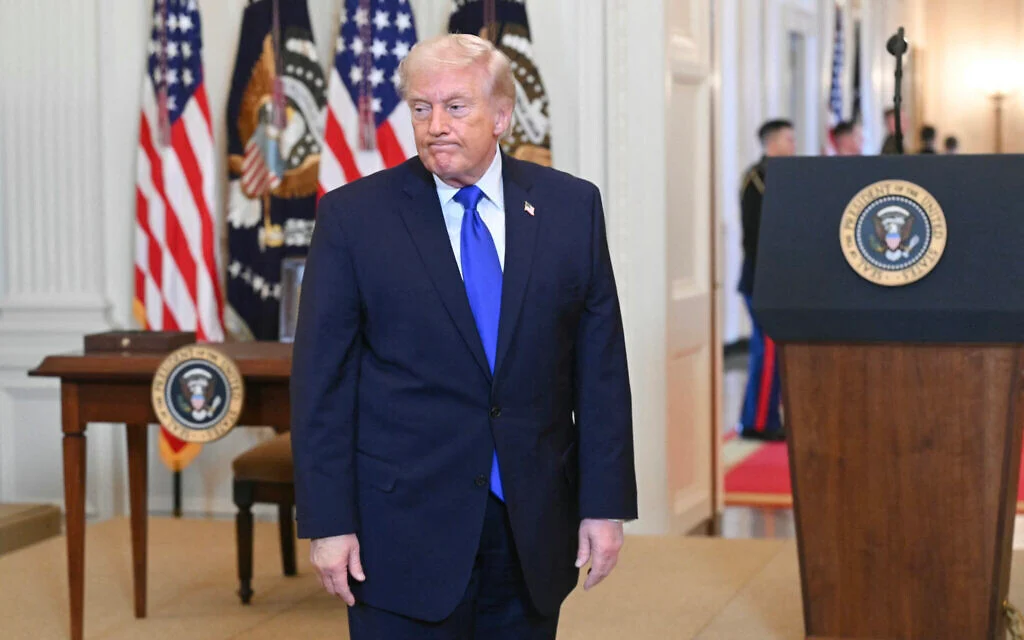
The Trump administration is pressing Iran to accept a nuclear agreement with no expiration date, seeking to eliminate the “sunset clauses” that limited the duration of restrictions in past deals, according to a new report.
U.S. Special Envoy Steve Witkoff told a private gathering of donors affiliated with American Israel Public Affairs Committee on Tuesday that the administration’s goal is a permanent framework, according to sources cited Wednesday by Axios.
“We start with the Iranians with the premise that there is no sunset provision,” Witkoff reportedly said. “Whether we get a deal or not, our premise is: you have to behave for the rest of your lives.”
The push reflects long-standing criticism by President Donald Trump of the 2015 nuclear agreement negotiated under the Obama administration. That deal included provisions allowing many restrictions on Iran’s nuclear program to expire after up to 25 years in exchange for Tehran’s pledge not to pursue nuclear weapons.
Trump has repeatedly argued that those limits weakened the agreement and allowed Iran to resume sensitive nuclear activities in the future. According to Axios, administration officials believe that removing sunset clauses would help sell any new deal to domestic audiences skeptical of past diplomatic efforts.
Iranian Foreign Minister Abbas Araghchi has signaled that Tehran may be open to long-term guarantees. In a recent interview with CBS News, Araghchi said Iran is seeking an agreement that ensures its nuclear program “remains peaceful forever.”
Witkoff is scheduled to meet Araghchi in Geneva on Thursday as part of ongoing negotiations, alongside Jared Kushner, Trump’s son-in-law and former senior adviser.
In separate remarks on Wednesday, Araghchi pushed back against speculation in U.S. media about targeting Iran’s leadership, arguing that the country’s political system is resilient.
“I’ve seen suggestions in U.S. media about assassinating the Supreme Leader, but this is a system,” Araghchi told India Today, referring to Ali Khamenei. “It is a well-established mechanism, so nothing would collapse.”
“Our system does not depend on individuals,” he added. “Even in the middle of war, nothing collapsed, and we were able to continue our self-defense.”
U.S. officials have not publicly commented on Witkoff’s reported remarks, but the administration’s strategy underscores its effort to distinguish any potential agreement from the 2015 deal and present it as a tougher, more durable framework.
Whether Iran will agree to a permanent set of restrictions remains unclear. Tehran has historically resisted open-ended limits, viewing them as an infringement on sovereignty.
(YWN World Headquarters – NYC)
 Join the official YWN WhatsApp status




One Response
What Witkoff tells Israeli donors and what he tells Qatar come from the same mouth. Which is true?