
The Trump administration has begun drafting a sweeping Middle East strategy for the period after the war with Iran, centered on building a regional coalition to contain Tehran while expanding normalization between Israel and its Arab neighbors.
The plan, which remains in its early stages, is intended to shape U.S. policy in the region through the final two years of President Trump’s term. Axios reports that planning is already underway both among senior administration officials and at the interagency working level, with President Trump holding two meetings with top advisers in recent weeks to discuss the initiative and consider possible elements of the strategy. Trump has also privately spoken of working on “something much bigger” in the Middle East once the Iran war ends.
Among the main ideas under discussion is the creation of a regional alignment of U.S. allies aimed at containing Iran, with Washington serving as a guarantor. Officials are also considering a broad effort to bring the regional fallout from the October 7 attacks closer to a conclusion, including advancing the next phase of President Trump’s Gaza plan, reaching a security agreement between Israel and Syria, and implementing the existing Israel-Lebanon agreement.
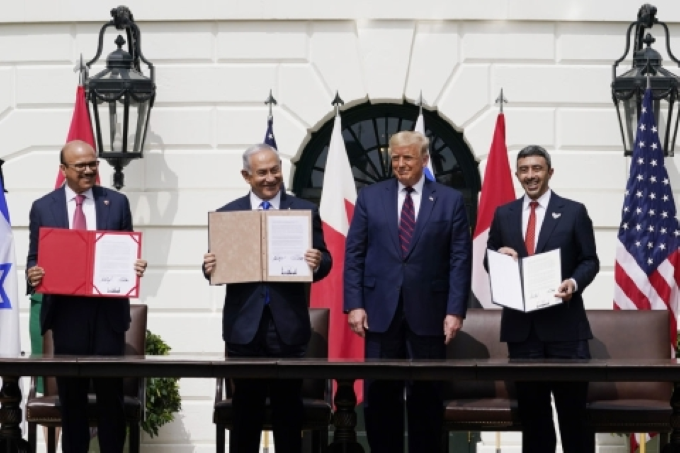
A third major component would focus on expanding the Abraham Accords, including an effort to secure normalization between Israel and Saudi Arabia. The administration hopes that whichever Israeli government emerges following the October 27 elections will be prepared to cooperate with the strategy, although some U.S. officials say President Trump intends to push ahead regardless of the election outcome, even in the event of a political stalemate.
The strategy is expected to take several more weeks to develop. One source briefed on the discussions said the administration is attempting to connect a wide range of regional issues into a single post-war framework, though it remains unclear whether all U.S. allies in the Middle East will ultimately support the plan. The U.S. midterm elections in November are also looming over the administration’s planning.
(YWN World Headquarters – NYC)






One Response
So they are planning on leaving the Islamic regime in power??? That’s a fail before you’ve even started