

President Donald Trump’s administration has instructed the Pentagon to prepare military options for renewed strikes against Iran, potentially before the November 3 U.S. midterm elections, as American and Israeli officials weigh the possibility of a major escalation in the ongoing war.
According to reports by The Atlantic and Axios, U.S. Central Command (CENTCOM) has been directed to finalize preparations for possible military operations, ranging from limited strikes against Iranian targets to a broader campaign against the regime’s strategic infrastructure.
The preparations come amid growing frustration in Washington over stalled diplomatic negotiations, continued Iranian interference with shipping through the Strait of Hormuz, and concerns over rising energy prices.
Two senior administration officials told The Atlantic that the White House requested options for strikes that could be carried out before Americans head to the polls on November 3.
However, Trump has not made a final decision on whether to launch additional attacks, and no specific date has been established.
According to Axios, the Pentagon recently instructed CENTCOM to complete preparations for the possible resumption of large-scale combat operations against Iran.
The directive was reportedly issued several days ago, suggesting that military planning has progressed beyond preliminary discussions.
Senior members of Trump’s national security team gathered at Camp David last Friday for extensive discussions, including the possibility of renewed military action.
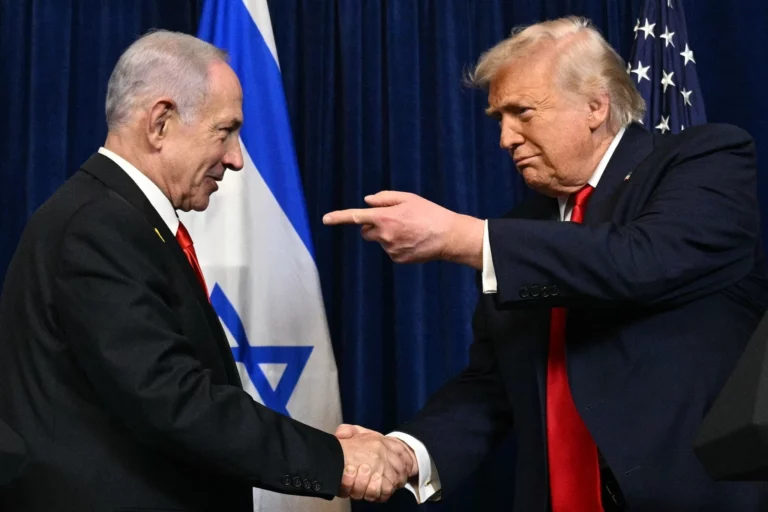
Trump also spoke with Prime Minister Binyamin Netanyahu on Wednesday, their second conversation within several days, following consultations between Netanyahu and senior Israeli defense officials regarding Iran.
The timing is particularly sensitive, with Israeli elections scheduled for October 27 and the American midterm elections taking place just one week later.
According to the reports, one option under consideration involves a limited military operation before November 3, intended to demonstrate progress in the war and increase pressure on Tehran to reach an agreement.
Some administration officials reportedly believe that a successful strike could allow Trump to demonstrate military achievements ahead of the elections while signaling that the conflict is moving toward a conclusion.
However, even supporters of limited strikes acknowledge that such an operation would not necessarily force Iran back to the negotiating table, guarantee safe passage through the Strait of Hormuz, or reduce gasoline prices before Election Day.
A Republican source familiar with the discussions suggested that a limited operation could be followed by a broader military campaign after the elections.
The second option reportedly involves a significantly larger assault targeting Iranian strategic infrastructure, including energy facilities and sites associated with the country’s nuclear program.
According to Axios, American military planners are examining scenarios involving extensive strikes against Iranian energy infrastructure and nuclear-related facilities.
The Atlantic reported that Trump has been presented with options ranging from narrowly targeted attacks to a major offensive against Iran’s energy industry.
Two Israeli officials cited by Axios assessed that a broader operation could involve coordinated American and Israeli military action, including participation by the Israeli Air Force.
No decision on such a joint operation has been announced.
The United States has also been strengthening its military presence in the Middle East.
Earlier this month, reports indicated that the aircraft carrier USS Theodore Roosevelt and additional Marine forces were being deployed to the region, providing Washington with greater military flexibility while increasing pressure on Tehran.
American officials reportedly believe Iran is currently in one of its weakest positions since the beginning of the war, largely because of severe economic sanctions and the damage sustained by its military and strategic infrastructure.
Nevertheless, a renewed offensive would carry significant risks.
Approximately 50,000 American military personnel stationed throughout the region could face Iranian retaliation, along with U.S. allies in the Persian Gulf.
Additional strikes would also place further pressure on American ammunition stockpiles.
Israeli officials are particularly concerned that a large-scale American operation could trigger massive Iranian ballistic missile attacks against Israel.
According to Reuters, Iranian officials have been considering a more aggressive response than in previous rounds of fighting, potentially expanding their targets to countries assisting American military operations.
Iranian-backed groups in Lebanon, Iraq and Yemen have reportedly been instructed to prepare for possible coordinated action.
Meanwhile, tensions surrounding the Strait of Hormuz continue to intensify.
According to shipping data cited in the reports, only seven cargo vessels passed through the strategic waterway Tuesday, the lowest number since July 23. Traffic recovered slightly Wednesday, with ten vessels making the passage.
Crude oil shipments through the strait have reportedly fallen 27% from their wartime peak, reaching approximately 10.1 million barrels per day.
Gulf countries have attempted to compensate by increasing oil exports through alternative routes in the Gulf of Oman and Red Sea.
However, attacks and harassment targeting commercial shipping have continued.
Maritime security sources cited by Reuters reported at least 12 attacks, attempted attacks and harassment incidents involving tankers in the Hormuz region during the week ending October 5, the highest weekly total since the war began in February.
Brent crude oil prices climbed to approximately $102 per barrel Thursday morning, reflecting continued concerns about regional instability and disruptions to global energy supplies.
Despite the military preparations, Washington is continuing diplomatic efforts through Qatari mediators.
According to Axios, the mediators are still awaiting an Iranian response to an American proposal demanding significant concessions regarding Tehran’s nuclear program.
Iran has reportedly demanded sanctions relief, an end to hostilities and arrangements guaranteeing shipping through Hormuz before making further concessions.
The United States, meanwhile, is insisting on concrete Iranian commitments concerning uranium enrichment.
Vice President JD Vance said this week that Iran must significantly reduce its uranium enrichment capabilities as part of any agreement.
The unresolved status of Iran’s highly enriched uranium stockpile remains another major concern.
According to the International Atomic Energy Agency, Iran possessed approximately 440.9 kilograms of uranium enriched to 60% before the June 2025 strikes against its nuclear facilities.
Although known enrichment sites sustained extensive damage, the agency has not received a complete accounting of the remaining material or been granted full access to inspect the damaged facilities.
The White House has emphasized that Trump continues to retain all military and diplomatic options.
“The president has all options available to him at all times,” a White House official said, adding that events would unfold “one of two ways — the easy way or the hard way.”
The official did not confirm whether American strikes could occur before the November elections.
For Israel, the prospect of renewed fighting raises immediate security concerns, particularly the possibility of Iranian missile barrages against population centers and strategic infrastructure.
The potential timing of an American operation also carries major political implications, with Israel’s national elections approaching on October 27.
A major escalation before the vote could dramatically alter the final weeks of the Israeli election campaign, while prolonged hostilities could raise questions about the ability to conduct elections under emergency conditions.
(YWN World Headquarters – NYC)







One Response
Very confusing, he said we already won the war, at least four dozen times