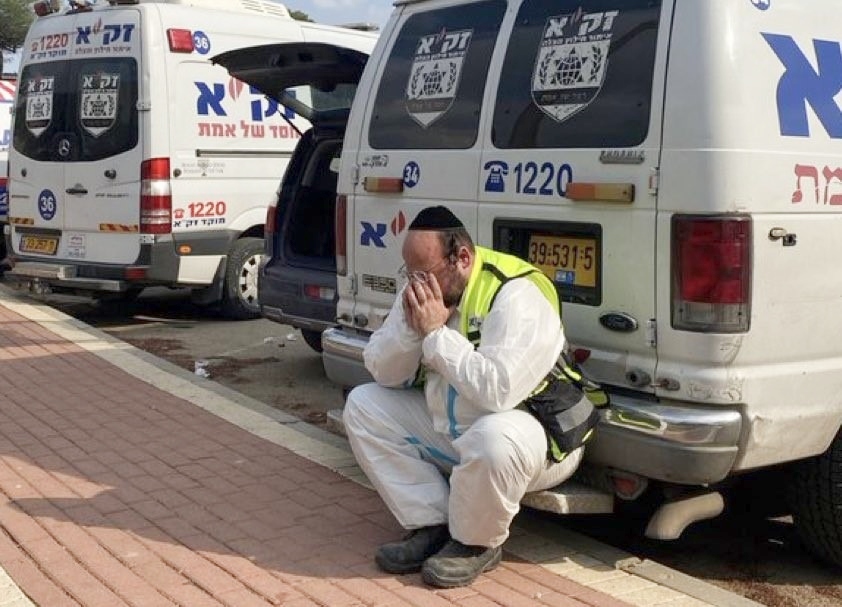
Three years after the October 7 Hamas massacre, approximately one in five Israelis continues to suffer significant difficulties functioning in everyday life because of mental health problems, according to a major study released Sunday. The findings reveal particularly high levels of psychological distress among younger women, while a substantial proportion of Israelis experiencing post-traumatic stress have shown little improvement, The Times of Israel reports.
The research was conducted through the National Mental Health Barometer, an ongoing project supported by Clalit Health Services’ Research Institute, the American Jewish Joint Distribution Committee and the Myers-JDC-Brookdale Institute in Yerushalayim.
The findings, based on a nationally representative sample with data updated through May 2026, examined the psychological effects of the October 7 massacre and the prolonged war that followed.
Women reported significantly higher levels of mental health-related difficulties than men. Among women between the ages of 18 and 35, approximately 32% reported serious impairment in daily functioning, compared with roughly 20% of the overall population.
Researchers examined five areas of daily life, including responsibilities at home, employment, education, leisure activities and maintaining personal relationships.
Approximately half of respondents experiencing serious difficulties said their recreational activities had been affected, while 35% reported problems establishing or maintaining close relationships.
The study also found that approximately one-third of Israelis crossed the clinical screening threshold for symptoms of anxiety, depression or post-traumatic stress at some point during the period examined.
Recovery rates varied considerably. Approximately half of those who experienced clinically significant anxiety symptoms subsequently returned to the normal range, compared with only 38% of those who experienced substantial post-traumatic stress.
More than 60% of respondents who crossed the screening threshold for post-traumatic stress continued reporting significant symptoms.
Approximately one-third of Israelis reported needing mental health treatment. Among coping mechanisms identified by respondents, approximately half cited support from family and friends, while roughly 40% pointed to hobbies, sports and maintaining regular routines.
(YWN World Headquarters – NYC)