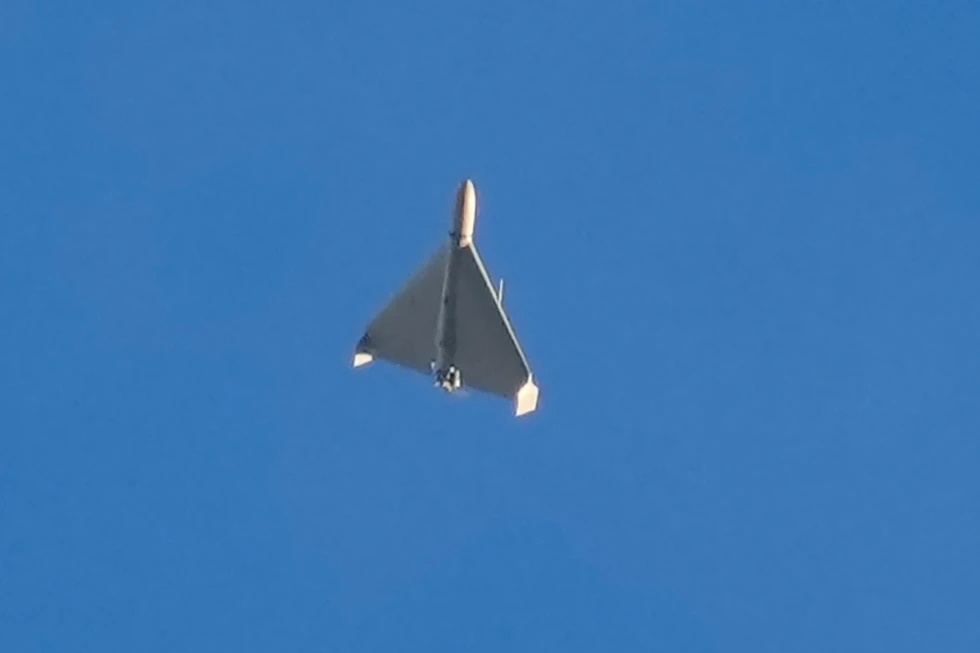
NATO’s top commander in Europe, U.S. Gen. Alexus Grynkewich, has outlined a new strategy to repel a potential Russian invasion using inexpensive drone swarms, autonomous weapons and a classified network that allows allied forces to share targeting information immediately.
Presenting the alliance’s “theory of victory” in Warsaw this week, Grynkewich said the objective would be to stop an invasion and cripple the attacking forces, rather than topple the government in Moscow. Drawing on lessons from the war in Ukraine, the plan aims to sever enemy supply lines and prevent Russian commanders from effectively controlling their troops.
The strategy, developed in part from work by former land forces commander Gen. Chris Donahue, envisions a broad “autonomous zone” where drones and ground robots would confront the first wave of an attack, reducing the exposure of NATO soldiers.
Long-range surface-to-surface missiles would simultaneously target command positions and air defenses in Russia’s Kaliningrad exclave, near St. Petersburg and in Belarus. Those strikes would seek to open the way for NATO aircraft to establish air superiority, followed by a counterattack involving the U.S. Army’s V Corps and other ground forces.
The operation would rely on a classified cloud-based system known as the “data backbone,” which has reportedly been successfully tested in the Middle East and enables rapid sharing of targets across allied forces.
The presentation comes amid growing European concerns over Russian drone incursions and sabotage targeting Western infrastructure. German officials said a recent attempt to attack Leipzig’s airport with an explosive drone was intended to pressure Europe into reducing its support for Ukraine.
Political uncertainty has complicated efforts to reassure NATO allies. President Donald Trump’s recent decision to permit Russian diesel imports, his public criticism of Ukrainian President Volodymyr Zelenskyy over attacks on Russian energy infrastructure, and questions about the future American military presence in Europe have heightened concerns.
Trump also announced an energy ceasefire between Russia and Ukraine, which the report said was followed almost immediately by a Russian strike in Kharkiv.
Former U.S. Ambassador to NATO Kurt Volker said military planning cannot be separated from European anxiety over Trump’s statements, possible American troop withdrawals and the threat of war. The Pentagon is completing a broader review that could result in a reduced U.S. military presence on the continent.
NATO also faces ammunition shortages, particularly PAC-3 Patriot interceptors and ATACMS missiles, following deployments of those weapons to the Middle East during the confrontation with Iran.
Meanwhile, more than 20,000 troops are participating in NATO’s Steadfast Duel exercise, which simulates an invasion from the east and tests the alliance’s response.
Former Pentagon official Jim Townsend said the decisive challenge is putting the plans into practice. NATO can develop the strategy, he argued, but member governments must provide the funding, equipment and trained soldiers needed to carry it out.
(YWN World Headquarters – NYC)