
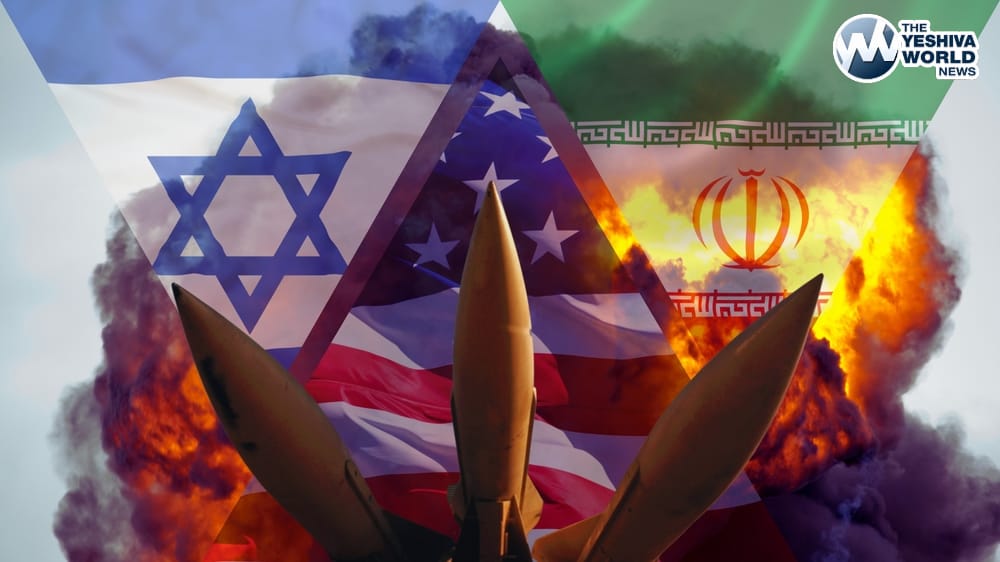
A high-stakes debate is underway inside the Trump administration over whether to grant Iran more time to submit a serious nuclear proposal as U.S. military preparations continue in the background, Yisrael Hayom reports.
Iran�s foreign minister, Abbas Araghchi, has said he may meet U.S. envoy Steve Witkoff in Geneva on Thursday. He has indicated that Iran plans to submit a more flexible and detailed proposal than in previous rounds, following U.S. demands for clarity on Tehran�s nuclear intentions.
For now, officials say, talks are likely to proceed � even without an advance proposal � as Washington weighs its next move.
At the center of the dispute are two sharply divided camps.
On one side are Witkoff and Jared Kushner, who argue that a narrow diplomatic window still exists. They believe an agreement could prevent Iran from obtaining nuclear weapons and limit its regional influence.
Opposing them are Secretary of State Marco Rubio, War Secretary Pete Hegseth, and Vice President JD Vance, who view regime change as a central U.S. objective. In their assessment, any deal with Tehran would be temporary and eventually violated.
President Donald Trump is seen as leaning toward this more hardline position, though he has allowed diplomatic efforts to continue.
Officials at the State and War Departments have privately criticized the negotiation process, arguing that Iran does not appear to take U.S. military threats seriously.
�Such overwhelming military power should have brought them ready to discuss everything we want,� one senior official said. �That hasn�t happened.�
Inside negotiating rooms, many officials believe Iran sees the U.S. military buildup mainly as leverage � not an imminent threat.
This perception, they say, has encouraged Tehran to delay and negotiate cautiously, hoping that Washington will eventually settle for a limited agreement.
American and Israeli assessments suggest that even increased Iranian flexibility is unlikely to meet Washington�s minimum demands. Iran�s refusal to discuss missile programs and regional proxies is viewed as increasing the likelihood of a limited U.S. strike, potentially designed as a warning shot.
At the same time, administration sources say Trump believes regime change could serve as a strategic tool and is waiting for optimal conditions.
Multiple teams are reportedly developing plans for post-strike scenarios, including efforts to prevent chaos and cultivate alternative leadership.
(YWN World Headquarters – NYC)
 Join the official YWN WhatsApp status




One Response
The U.S. is being played