Senior Trump administration officials on Monday provided new details about the memorandum of understanding signed with Iran, saying the agreement establishes the framework for intensive negotiations over Tehran’s nuclear program while making clear that any sanctions relief will depend entirely on Iran honoring its commitments.
Speaking during a background briefing with reporters, the officials said the MOU signed Sunday creates the structure for negotiations that will unfold over the next 60 days, though they expect to know within the next two to three weeks whether a final agreement is realistically achievable.
A formal signing ceremony is scheduled for Friday in Switzerland. Senior Trump aides Steve Witkoff and Jared Kushner are expected to attend alongside Iranian representatives.
Officials said direct communication between senior Trump administration officials and top Iranian leaders—rather than relying solely on intermediaries—was critical in reaching Sunday’s agreement.
According to the officials, those direct contacts allowed Washington to better understand Iran’s red lines while identifying areas where compromise was possible.
The administration also acknowledged that while the agreement calls for the immediate reopening of the Strait of Hormuz, normal shipping traffic will not resume overnight.
Officials said naval mines still need to be cleared and commercial shipping companies must determine when conditions are safe enough to resume operations.
“We probably won’t return to normal in two weeks, but we will see a significant increase in strait traffic,” one senior official said.
The officials stressed that President Trump’s strategy of sustained economic sanctions, military pressure, and diplomacy over both of his terms made the agreement possible.
Responding to critics of the deal, one official blasted hardliners both inside the United States and Iran.
“One thing that I found to be the most comical is that you have a lot of people who are the hardliners in the U.S. who say you can’t trust the Iranians… and then they take everything put out by IRGC channels as gospel,” the official said.
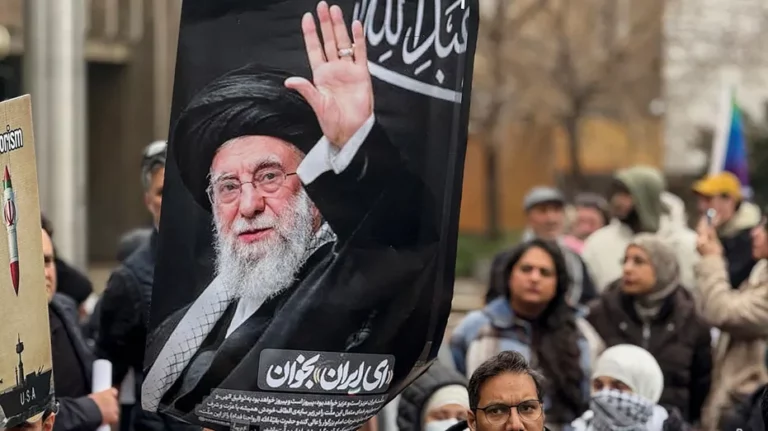
He noted that hardliners inside Iran are also publicly protesting the agreement.
“What you’re seeing now is hardliners on both sides.”
The administration pushed back on reports suggesting Iran will receive immediate sanctions relief or unrestricted access to frozen assets.
Officials insisted there will be no “side deals,” saying every dollar of sanctions relief or access to frozen funds will be conditioned on Iranian compliance during the upcoming negotiations.
“We discussed the possibility of releasing frozen funds, sanctions relief and a big $300 billion fund to rebuild their country,” one official said. “All of these things are going to be tied to performance.”
The officials also rejected reports that Gulf states such as the UAE or Qatar would independently provide Iran with financial assistance outside the agreement.
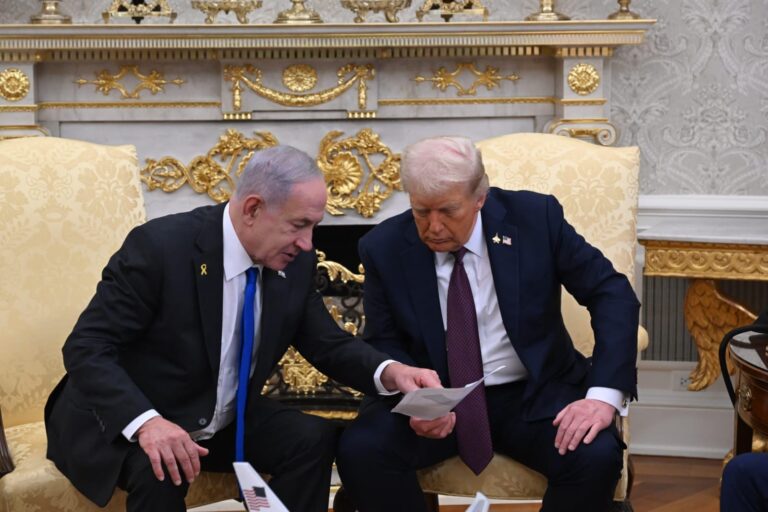
Regarding Israel, administration officials emphasized that the MOU does not require Israel to withdraw from Lebanon.
At the same time, they said the agreement envisions a broader ceasefire that includes Lebanon alongside Iran.
“If Iran is not able to control Hezbollah, and if they attack Israeli positions or Israeli towns, Israel will have the right to defend themselves and respond,” one official said.
The administration also expressed hope that the agreement could eventually help advance normalization between Israel and Lebanon by reducing violence from Iranian-backed proxy groups.
Officials indicated the full text of the memorandum is expected to be released within the next 24 to 48 hours.
(YWN World Headquarters – NYC)
 Join the official YWN WhatsApp status