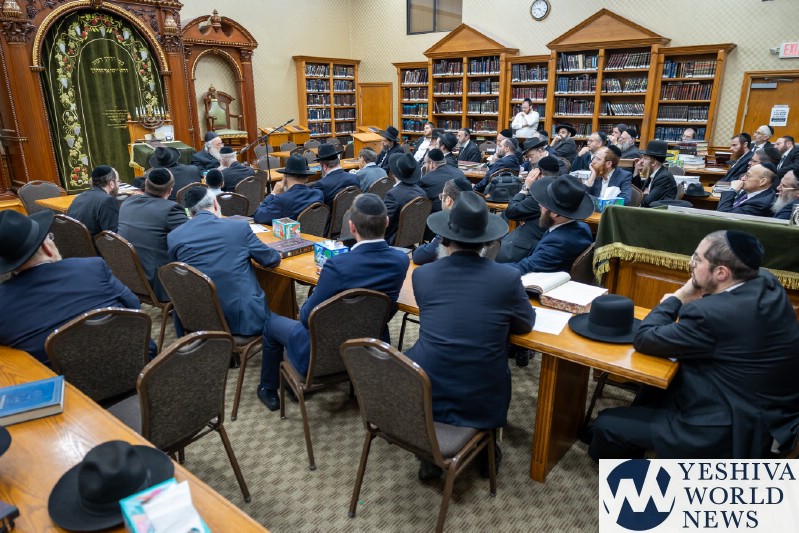
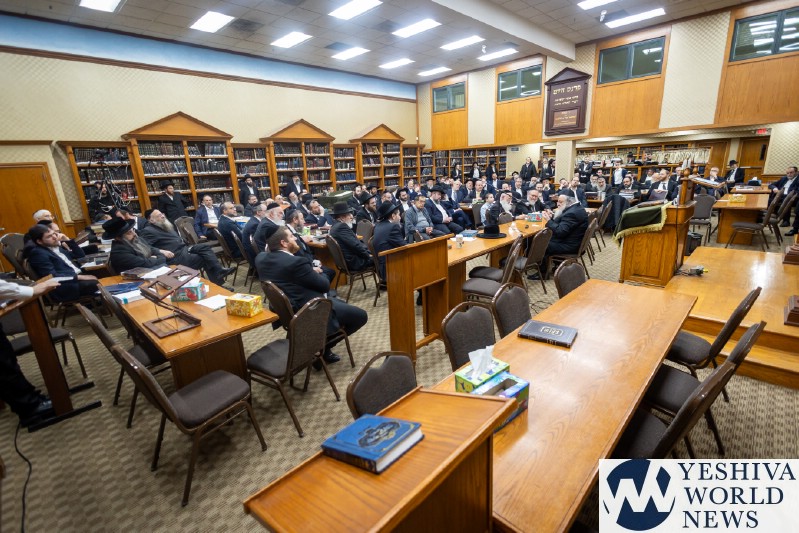
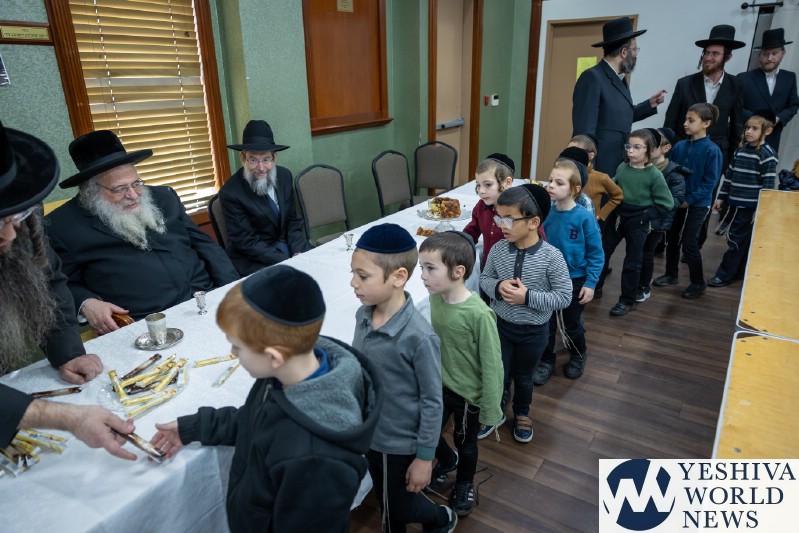
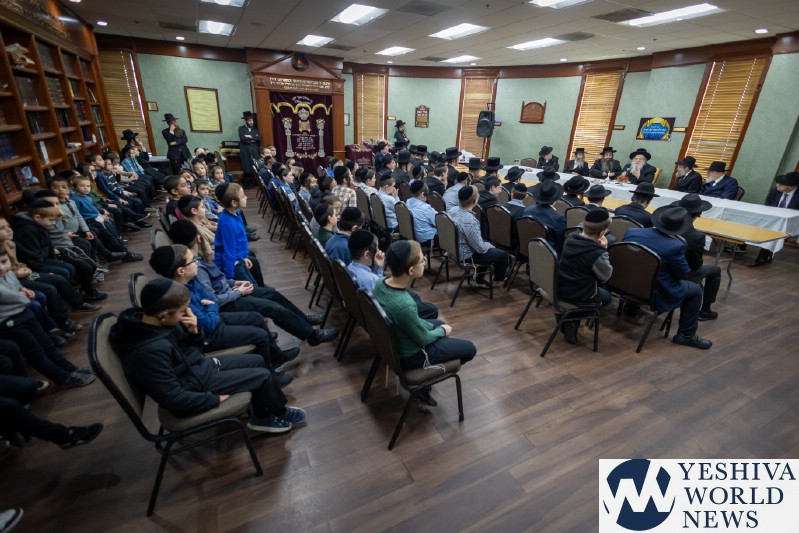
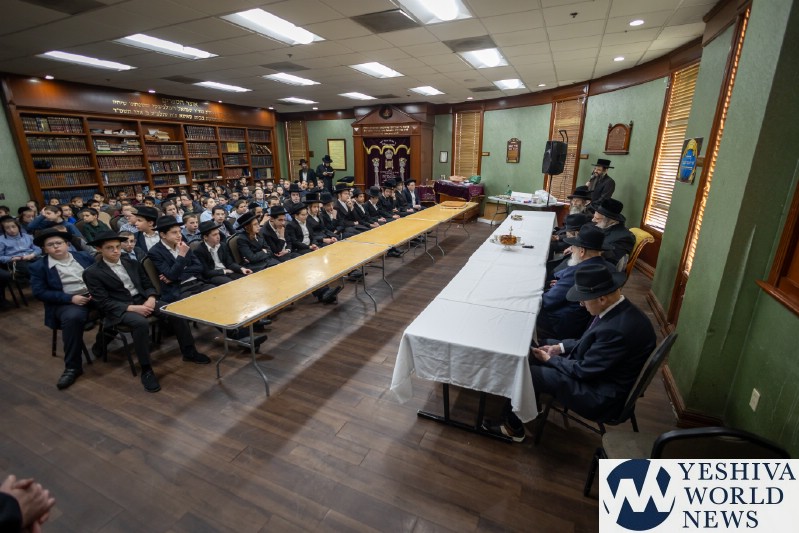
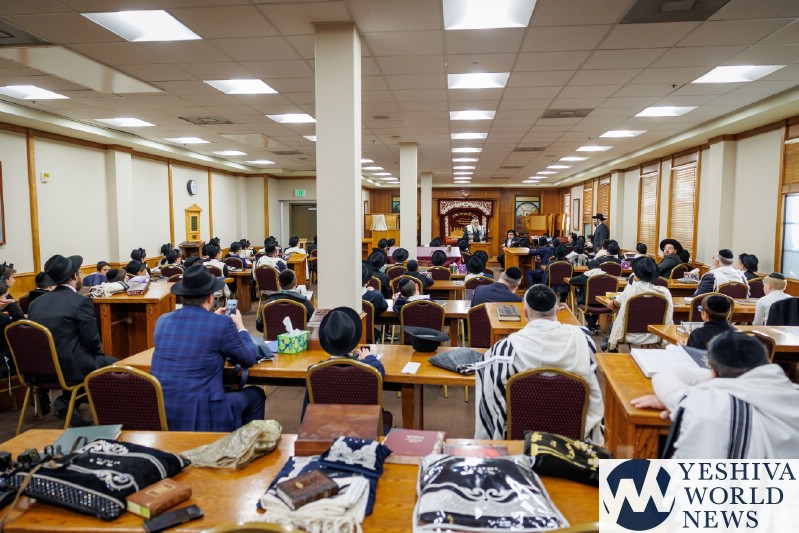
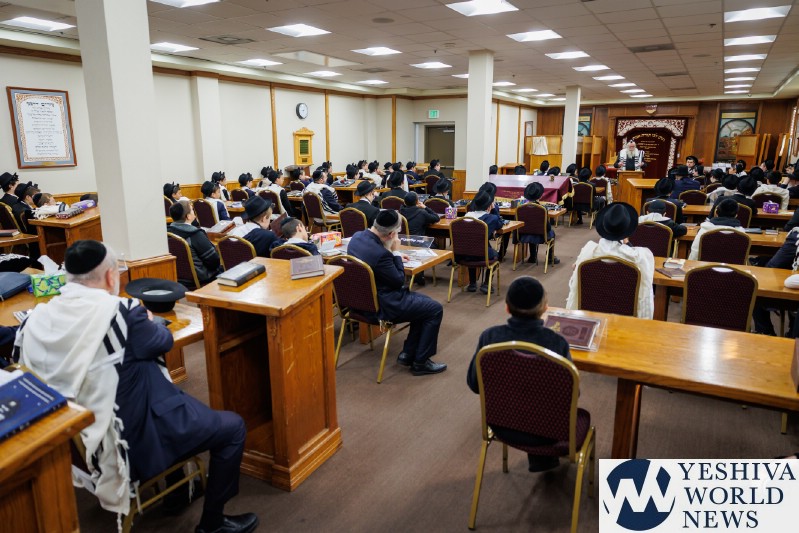
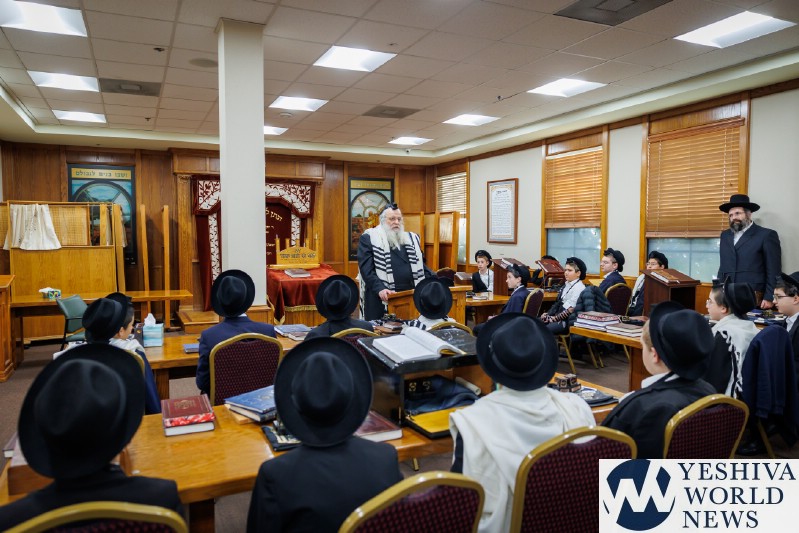
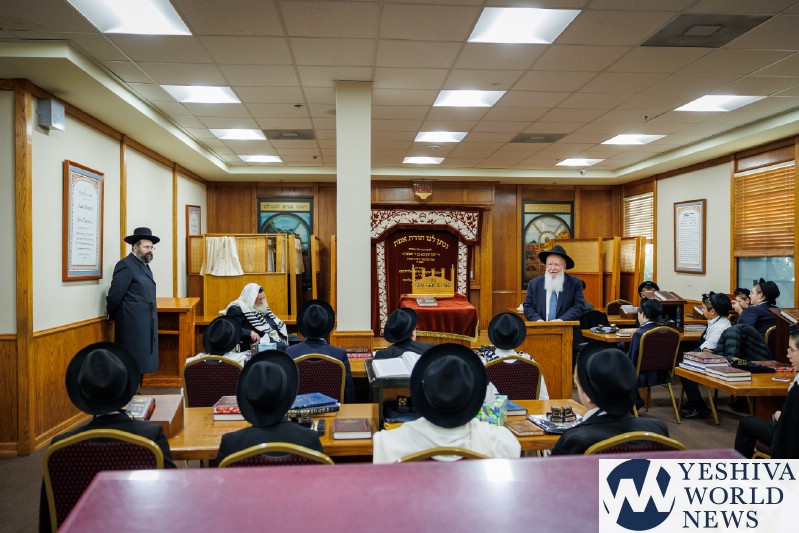
During his visit to Los Angeles this week, Harav Shaul Alter, Rosh Yeshiva of Pnei Menachem in Eretz Yisroel, delivered a powerful and deeply resonant message on the Torah’s approach to raising children–especially those who have strayed from the path of Yiddishkeit.
In response to a question about wayward children, Rav Shaul emphasized that love must be the foundation of any approach.
“First of all, love them,” he declared unequivocally. “I say this since I’ve heard that there’s a disagreement about this. But it would appear to be clear that everyone should agree on this–that when a child falls by the wayside, we need to love him.”
Rav Shaul expressed astonishment that anyone would dispute this fundamental principle. “I’ve heard that others say not to [love them], but to me, this is perplexing. Everyone whom I know–experts, those who understand, and also logic itself–dictates that you must love them. Love them very, very much.”
However, love does not mean the absence of boundaries. Rav Shaul stressed that parents must set guidelines–but within those boundaries, their children must know, beyond any doubt, that they are loved.
The Rosh Yeshiva also addressed a common struggle among parents–worrying that their child’s actions reflect upon them. “People think that what the son does reflects on them. It doesn’t. Every person has their own choices in life. Every person has nisyonos.”
Drawing on the Torah, he pointed to Yitzchak Avinu who had a son, Esav, who went down a different path. “You don’t know which neshama your child received, what nisyonos he faces, or what happened in his previous gilgulim. You must plead with him, tell him how much it hurts–but it should never be a cause for hatred.”
Instead, he urged parents to love, daven, and seek ways to bring their children closer rather than pushing them further away.
Rav Shaul also addressed the immense pressures children face in today’s world–not just in material and business pursuits but even within the walls of yeshivos.
“There is pressure even in the yeshivos. There is competition, even where it’s less intense. We are constantly pushing to achieve, to reach something.” While acknowledging that a certain degree of competition in Torah study can be positive–“Competition in Torah increases wisdom”–he warned that excessive pressure can be harmful.
“Today, we are at the opposite extreme. People are constantly worrying–what’s going to be tomorrow, what will happen the next day? Live out your day. It’s good for your mind, it’s good for everything.”
Rav Shaul acknowledged the immense allure of the outside world and the struggles that many young people face. “The Yetzer Hara knows his job–there is no doubt about that. Material things entice. The nisyonos of today are immense, and there are children who crave it. It entices them.”
For parents struggling with these challenges, Rav Shaul’s advice was clear: “Love them, daven for them, and give them satisfaction in their lives.” He explained that a child who feels content at home–both in gashmiyus and ruchniyus–is less likely to seek out satisfaction elsewhere.
“Just daven and plead to the Ribono Shel Olam,” Rav Shaul concluded.














































(YWN World Headquarters – NYC)
 Join the official YWN WhatsApp status