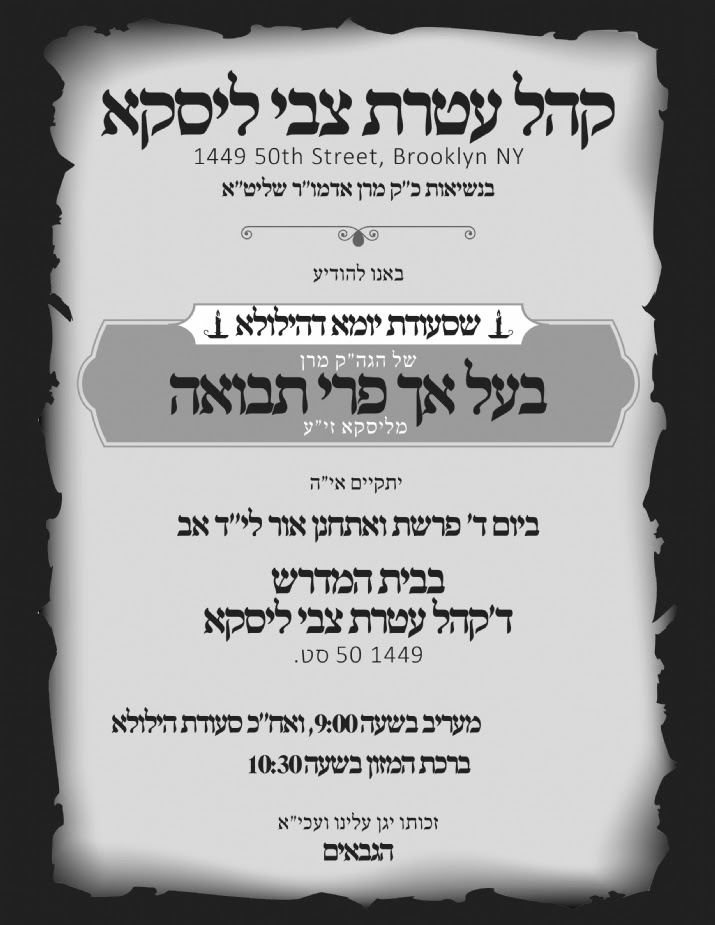
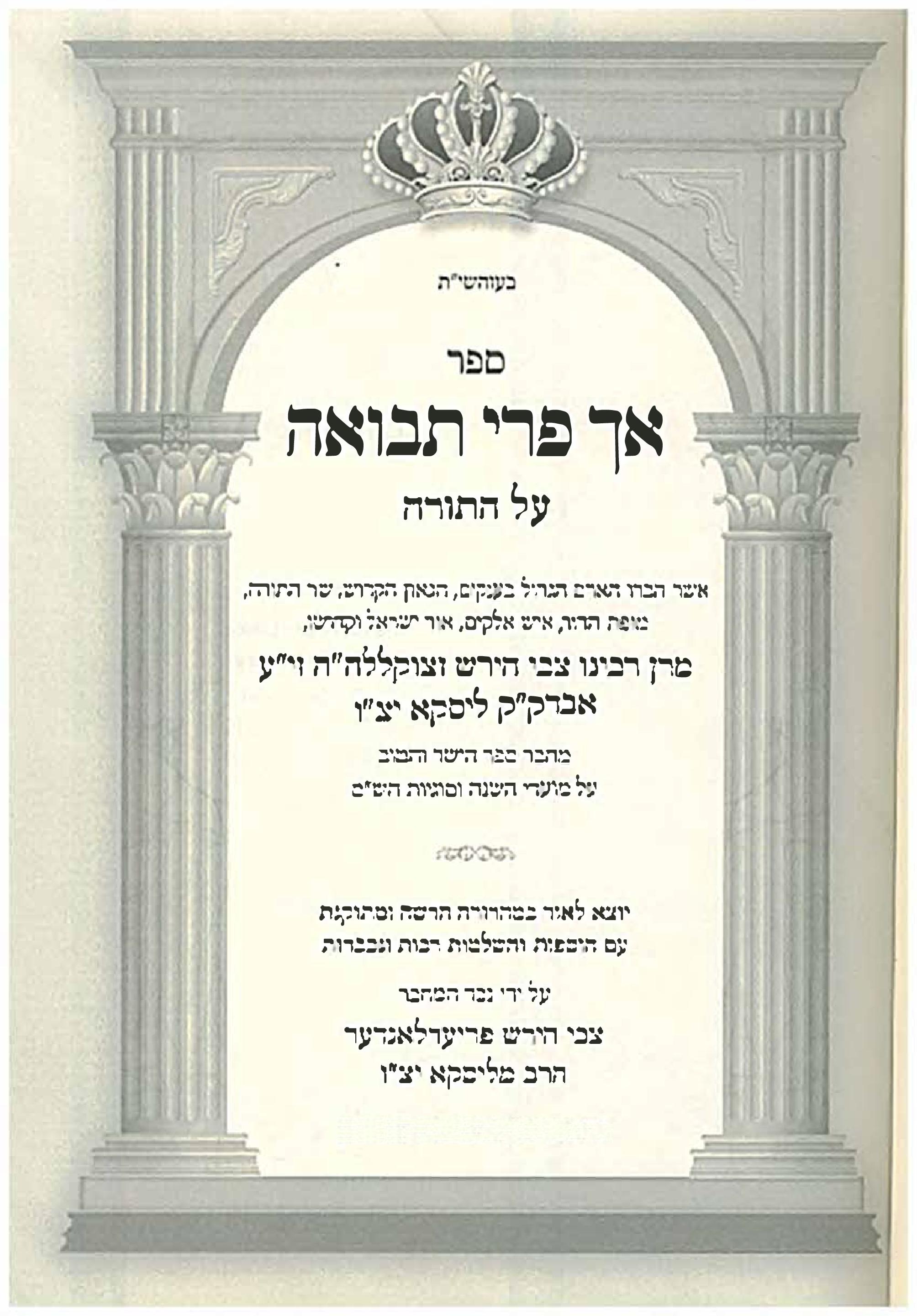
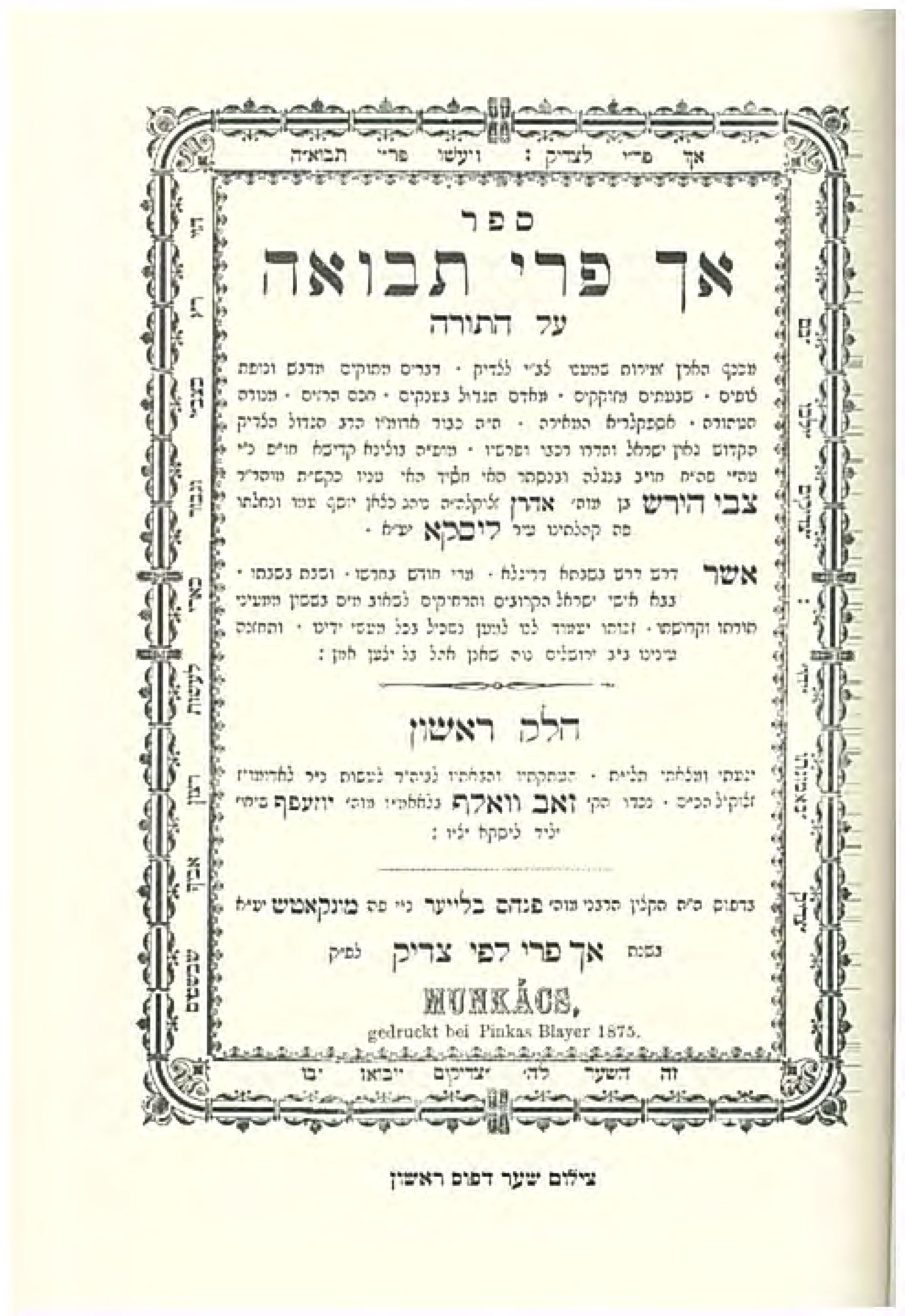
Yidden throughout the world are preparing to commemorate the 145 yahrtzeit of Rav Tzvi Hersh of Liska commonly referred to by the name of his sefer – Ach Pri Tevuah on 14AV.
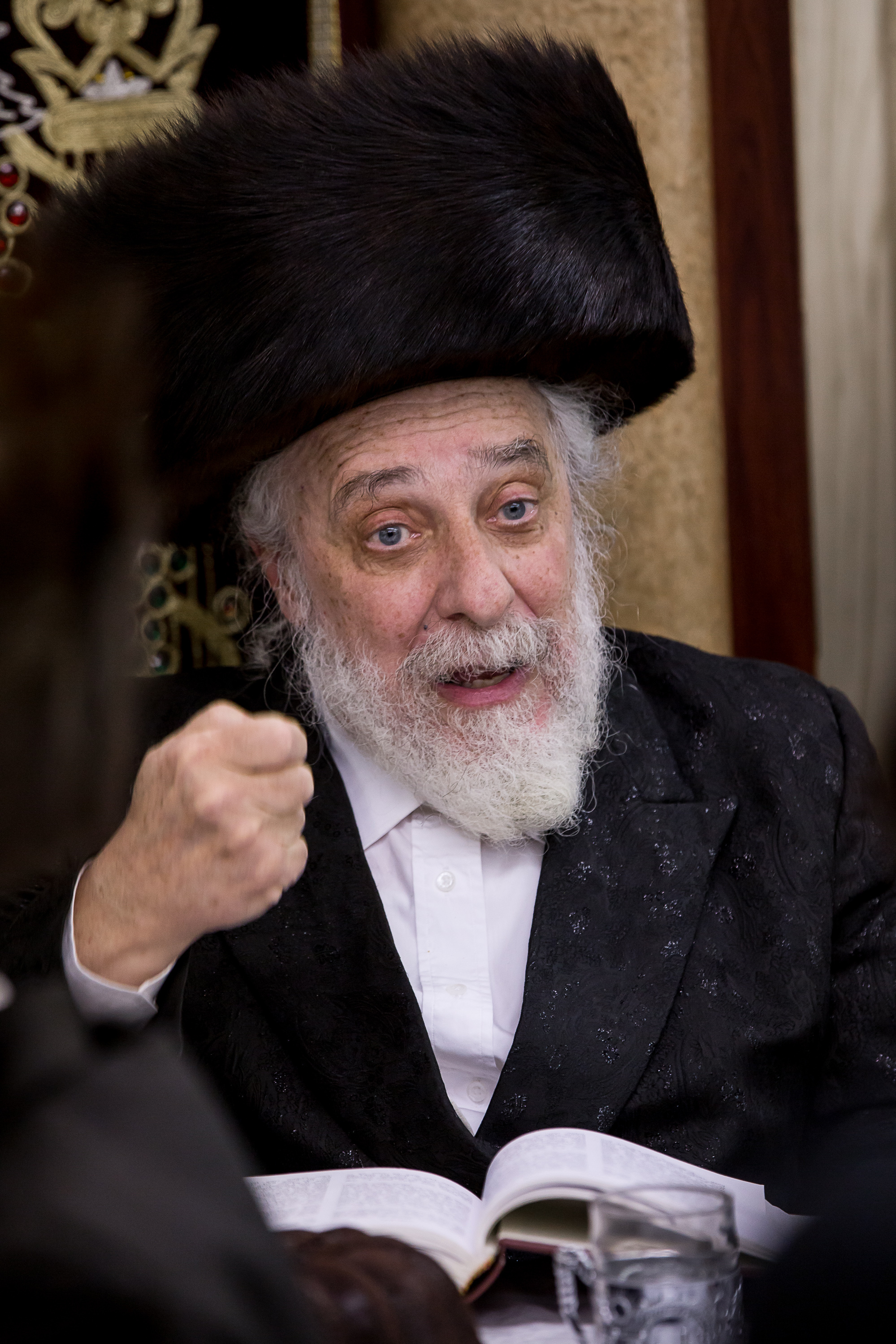
The central yahrtzeit tisch will take place in the Liska Bais Medrash on Wednesday evening (August 14), parashas Vaeschanan the eve of 14 AV – at 9PM that will be conducted by his descendant, the current Liska Rebbe SHLITA, widely acknowledged as an eminent Talmud chacham, who will deliver divrei Torah based on the sforim Ach Pri Tevuah and Hayashar Vehatov authored by the baal halulah.
The Liska Bais Medrash is located at 1449 50th street in Brooklyn, New York, which perpetuate
Rav Tzvi Hersh of Liska widely acknowledged as one of the leading Chassidic rebbes of Hungary who played a decisive and dominant role in the development and dissemination of chasidus throughout Hungary shaping its landscape for generations to come and ensuring the vibrancy of Hungarianchasidus for generations.
As a talmid of the Yismach Moshe of UHEL, Rav Tzvi Hersh of Liska has promulgated his minhagim, including the custom of not eating matza on Pesach,(only for the kezaisim).
Later in life, he journeyed to other great Chassidic manhigim of his time, such as Rav Yisrael of Rizhin, Rav Meir of Premishlan, Rav Shalom of Belz, Rav Chaim of Sanz the Divrei Chaim with whom he enjoyed a particularly close relationship whose haskamah on Ach Pri Tevuah underscores the high esteem in which he was held.
Liska emerged as a focal point and as a result, thousands of chassidim converged eager to bask in the warmth of the Liska Rebbe’s aura and to receive a derech inavodas Hashem. There are countless verified sipurim of yidden who were zochehto a moifes both during his lifetime and after his histalkus as Rav Tzvi Hersh of Liska was known as a poel yeshous.
In fact, his tzion in Liska (Oalszliszka), Hungary, to this day attracts thousands of mispalilim who follow in the footsteps of Yidden of yesteryear who davened in the ohel along with great chasidic and Torah luminaries who revered the kedusha of theAch Pri Tevuah.
There is a direct quote of Rav Tzvi Hersh of Liska that summarizes the unique zechus of visiting his holy zion: “I will be able to accomplish more for you in my socks then in my shoes” referring to his petirah when one no longer wears shoes.
Leadership
Rav Tzvi Hersh of Liska ( prior to assuming the mantle of leadership) once went to spend shabbos in the court of Rav Meir of Premishlan. Leaving Premishlan to return home, he passed Lemberg. Upon crossing the border his passport was taken away and held up until Wednesday. He thought to himself that he doesn’t have enough time to return home before shabbos, so he would return to Premishlan. Upon nearing the home of Rav Meir, he heard the Rav Meir’l screaming “It used to be that when a yungeman traveled to his rebbe, he would allocate two or three weeks and nowadays one comes to spend only one shabbos and returns home immediately. I am therefore forced to take his passport that he should return here.” Rav Meir of Premishlan to Tzvi Hersh that it says in the Torah, “Make for yourself two silver trumpets. In one you blow in, and in the other one you blow out. To give, you are allowed to give everyone. Taking, you are not allowed from everyone.” Then, Rav Meir’l took out akvitel and said “Look, someone brought me a bottle of sugar, but I refused to accept it, because it was stolen.” And Rav Meir’l instructed Reb Tzvi Hersh to read the kvitel,but Reb Tzvi Hersh was reluctant to read it. Rav Meir’l asked him “why aren’t you reading it. You are a yid, a lamdin, imagine that this is a shtikel Marsh”u or a shtikelMaharam Shif. After this episode, Reb Tzvi Hersh became famous as a manhig yisroel, whom Rav Meir of Premishlan declared “The keys to Hungary I convey to Reb Tzvi Hersh of Liska.”
Wisdom
Reb Tzvi Hersh of Liska was once approached and asked “Is it a mitzvah to disparage a Talmud chacham who doesn’t conduct himself in the ways of chasidus?” He responded by admonishing “even if I were to agree with you that it is a mitzvah, even you would have to admit that you would have to admit that blowing shofar onRosh Hashana is a bigger mitzvah. And even then, only one person blows the shofar and every one else is yotze by listening.”
With Gedoilai HaTorah
A close friendship existed between the Liska Rav and the Kesav Sofer (son of Chasam Sofer). He once attended the wedding of his son the Erloiyer Rov Rav Shimon Sofer Zatzal which took place in the city of Kleinvarden. Before the Liska Rov took leave he visited his host who desired to bequest him with a silver Esrog box saying “I want the Liska Rov to remember me”. The Liska Rov declined the gift saying “I will remember you well–the Gemarastates in Mesechtas Chulin “two wondrous occurrences that take place one after another people remember ” A Rov should want to give and a Rebbe should not want to accept to into that category” he chuckled and accepted his gift. Upon taking leave he said “Liska Rov I want to becomemechutunim with you–the Liska Rov responded not us but our children but our children will be “meshadich with each other–the grandson of the Kesav Sofer married a granddaughter of the Liska Rov.
How to conduct a debate in learning
Rav Tzvi Hersh of Liska often visited the holy Divrei Chaim, Rav Chaim Halberstam, the Sanzer Rov. On the return trip of one his visits to Sanz where he took along his son-in-law and successor Rav Chaim Friedlander, the author of Tal Chaim, to told him, “I will teach you how to conduct a debate in learning: You state a chidush in learning and if the listener will respond with their opposing opinion to your chidushyou should once again state your position and if you notice that your listeners understand what you are saying and despite that, they continue to not accept your viewpoint you should not continue the debate–the reason being they know what you are saying, and you know their response therefore it is futile to continue the debate endlessly”. The Liska Rov elaborated “you witnessed how I conducted my halachic debate with the Sanzer Rov. (It concerned a topic pertaining to the subject of dried out grapes when the non-Jewish workers out of sight squzzed out the essence out of the grapes which is derived from the moisture of those grapes which creates a question if this liquid moisture is considered in the category of wine thus crating a problem of yayin nesech) The Liska Rov’s opinion was that this is not considered to be a form of wine while the Sanzer Rov adamantly stated otherwise. “I first stated my opinion” the Liska Rov said “and the Sanzer Rov vehemently opposed my position–I again reiterated my viewpoint and the Sanzer Rov did not accept my opinion despite my repeated explanation. At that point I choose not to continue the debate any longer because I realized he knows my position and despite that he does not agree with me therefore it would be pointless to endlessly continue the discussion. It is noteworthy to add that the Sanzer Rov brought a supporting source to the position of the Liska Rov from a Gemara in Kesubis 27.
Ahavas Yisroel & Tzadakah
When Rav Chaim Fishel Sofer, the Rov of Nanush, who was a prominent talmid andchusid of the Liska Rov once came to visit his Rebbe–the Liska Ruv said “good that you arrived I have a din torah with myRebbetzin and you will be the Dayan. Let me tell you a story. In my younger years I once on my home retuning from Kaliv after participating the yartzit of Reb Eizik of Kaliv ZATZAL, and I did not posses even one coin in my procession for the trip home. There was a distinguished lady from the Kupas Tazadakh who regularly provided me with financial help. On this particular trip as I was passing thru and I anticipated her help but it was not forthcoming—with no choice I continued on my journey by foot without a single coin in my pocket. At the outskirts of the town of Tokay I met a man who told me –Reb Hershale if you are willing to spend the night by me I will tomorrow provide you transportation home with my wagon–of coarse it was difficult to continue by foot so I accepted his offer. He provided me with a meal and the next morning he sent to my home with his wagon along with a sack full of potatoes. Now this person became a “Yored” and he lost all his material wealth. He currently lives in Liska and he also very sick. I have to provide for him and his family in addition to covering his medical expenses. Now my Rebbetzin has a complaint that I should give her money to provide a bekasha for my son-in-law Reb Chaim. Now I ask you to decide to paskenfor what cause is this money more important that I should utilize?
Business Relationships
Rav Yoizef Goldberg ZATZAL (whom the Sanzer Rov ZATZAL titled him harav,hacharif, hachosid, chosida uprisha “with son-in-law of the Liska Ruv approached his father-in-law and expressed himself “the shver gives brachos to all those that seek him out and yet I your son-in-law am notzocheh? Rav Tzvi Hersh replied “do you approach me like everyone else”. Rav Yoizef caught the hint and immediately went home to make preparations like one does when traveling to visit his Rebbe. His Rebbetzin asked him “where you traveling to?” “To Liska to spend Shabbos basking in the holiness of the tzadik Rav Tzvi Hersh! The Rebbetzin was perplexed and confused but bid him farewell as he packed a little suitcase and went to the local Hachnosos Orchim where guests used to stay when spending Shabbos or Yom Tov in Liska. It did look a little strange when Rav Yoizef settled in to the Hachnosos Orchim as a pushiter Chusid spending Shabbos in the presence of his Rebbe……but everyone understood there is something lying beneath the unusual and strange behavior.
And so it was all Shabbos…….Rav Yoizef partaking in the davening and Tishen as an ordinary Chusid.
Motzei Shabbos as is the custom among Chasidim is the time for bidding farewell to one’s Rebbe known as “gezaginen”—you submit a kivitel and hope for a brocha and you return home in an elevated status after spending Shabbos in an atmosphere of supreme kedusha.
And so it was the turn of Rav Yoizef to enter the inner sanctorum of Rav Tzvi Hersh of Liska. “After the customary questions Rav Tzvi Hersh asked his son-in-law the Chusid”is there a specific request that you have” “Yes, there is. I am asking for a bracha forparnosah!” “What is your parnasah” asked Rav Tzvi Hersh”?
“I am a timber merchant–I travel periodically to the city and negotiate the acquisition of timber to resell in local markets”. “Please tell me the process” urged Rav Tzvi Hersh. “I “handle” with the goyim until I press down the price”……”Ah I have heard enough! Rav Tzvi Hersh elaborated–when you begin your discussions and the price is fair do not attempt to push down the price in order for you to leave enough of a spread for your profit…..”When you allow someone else to profit you will always have hatzlocha in your business ventures!
It is said that from then on forward Rav Yoizef Goldberg began his journey to wealth.
How to give Tzadakah
An incredible story which illustrates hismidos tzedakah has become a hallmark for those that want to emulate the finer point of giving tzadakah.Rav Tzvi Hersh of Liska was asked by his Chasidim to spend a Shabbos in the city of Munkatch. As was customary people flocked to his place of residence to givekvitlach and receive brachos. Among the many multitudes was an individual who broke down with a pitiful story of the man’s daughter who was engaged for two years with no wedding date set as the dowry that was promised was beyond the reach of him as his financial ability made it impossible for him to fulfill his promise thus delaying his strong desire to marry off his daughter. The Liska Rov asked him “how much are you missing–how much do you need?” The man responded “I need 100 ranish” which was a vast amount of money at that time. The Liska Rov immediately gathered all the money necessary from the money that was lying on his table and handed it to the needy individual.
Standing at the side of the table and observing this episode was a very prominent man who questioned Rav Tzvi Hersh inquiring “why did the Rebbe find it necessary to personally solve this person’s financial problem–wouldn’t it be preferable to have him collect from many people smaller amounts until he reached the amount of money required for his daughter’s wedding?
The Rebbe responded to the man’s directness by saying I would like to tell you a story. “In my youth, I was a melamed and poverty was very prevalent. One year I developed a very strong desire to travel to Belz for Shavuos to bask in the holiness of the Sar Shalom of Belz. I did not have the funds required to travel so without an alternative I began my journey by foot–when I arrived in Lemberg my feet was swollen from traveling a great distance. I went to the local shul to rest. I noticed a group of Chasidim arrive with several carriages carried by horses from Munkach who were on their way to Belz and used this stopover to replace to replace the horses that were weary from their long journey. There was one person who stood out as their leader. I approached him and asked him if he could allow me to travel with them to Belz. He responded by saying you will need to pay me 60 gratzer. I pleaded with him that I don’t have one gratzer in my possession and I showed him my swollen feet and pleaded with him stating that I have suffered up until this point and of my strong desire to spendShavuos in Belz. He replied by giving me advice to gather the necessary funds by going to collect the 60 gratzer as there is still two hours left until we depart on our journey to Belz. If I don’t come up with this amount I won’t be able to join them.
Without an alternative and with my strong desire burning to spend Shavuos in Belz I had no choice but to go out and attempt to collect the 60 gratzer. It was customary in those days to ask charity in the form of money or material to exchange for money. As I walked into the first store I was asked “money or material?” I replied material thinking it would be easier to accumulate to 60 gratzer utilizing this method. I was given a feather. The second store repeated the same format–“money or material?”…again I asked for material–I was given a button and so it was when I entered the third store……”money or material?”–I was given a needle. As I was asked this question from the owner of the fourth storeowner I realized that although I possess a feather, button and needle I won’t be able to raise the 60 gratzer and one hour had passed. I broke down and cried out my great anguish!! This storeowner had pity on me and gave me the 60 gratzer for my journey. I was overjoyed and made my back and paid my share and I was on my way to Belz for Shavuos.
From then on I took it upon myself that when I would be approached by a poor person I would contribute the entire amount and not send him to collect from others”.
As Rav Tzvi Hersh of Liska concluded retelling this story he told the person who raised the question saying ” this lesson I learned from you–you were the person who taught me to give tzadakah in the entire amount as you were that person–I recognize you even though you don’t recognize me”. That person broke down asking forgiveness.
TochochoT
he Liska Rav was known for his wisdom which enhanced his ability to become the manhig hador with the masses respecting his desire to improve upon the state of yiddishkeit during the era of Rav Tzvi Hersh of Liska when chasidus flourished in Hungary.
A yid once came to Liska to ask for a brocha from the tzaddik for parnassah and other worldly requests. Rav Tzvi Hersh asked him: “How are you conducting yourself in regards to shmiras shabbos, taharas hamishpocha and other yesodei ofyiddishkeit?” The man replied: “I came to the Rebbe to ask for a brocha for parnassah. I didn’t come to discuss my ways in yiddishkeit.” The Liska Ruv replied “Let me tell you a story… There was once a yid who traveled to the big city to purchase a wagon full of goods to sell back home among the villages and towns of his vicinity. The custom was for a man to spend several days spending at the wholesaler selecting the products that he would later sell. It so happened that one year as he was returning from his trip to the city in the middle of the night, his wagon got stock in the mud and when he got of to check what was wrong, he realized that one of the wheels of the wagon was broken and he would have needed a certain oil to fix it to be able to continue his journey home. He didn’t know what to do. Suddenly it dawn to him to return on foot to the wholesaler to ask him if he had the needed oil. He knocked on the man’s door and cried out to the wholesaler for the oil so he can return to his family. The wholesaler handed him the oil and wished him a safe journey home. As he continued on his way he noticed another wagon stock in the mud with the same problem as his wagon. He told the owner of the other wagon that if he needed the oil to fix the wheel, he should go to the wholesaler in the city; he for sure will be helpful. The man so did it. He went and knocked on the wholesaler’s door. The wholesaler yelled out asking who is bothering him at the middle of the night. The man replied that he needed oil to fix his wagon. The wholesaler responded that he is not an oil merchant and was upset that he was being woken. “I was told that you possessed this oil only by a man I met an hour ago, and that you gave him the oil graciously.” The wholesaler began to exclaim “Why don’t you understand what happened here? A man comes to me and spends week purchasing merchandise for his business. He encountered a problem on his way to home, so of course I would help him out by giving him oil that I had in my possession. But you just come here for my oil?”Reb Tzvi Hersh explained “When a man comes to me for a derech in avdus Hashemand wants to improve his state ofyiddsihkeit and wants to be close toHashem, desiring to be able to follow in the footsteps of our ancestors and is endeavoring to assemble mitzvos andmaasim tovim, yet requires a bracha so he should be matzliach– it is my duty to intervene in his behalf. But oil merchant, I am not!” eluting to the story which he just told over.
B’Darchai Noam Al Pi Chasidus
Rav Tzvi Hersh of Liska often traveled, even as a manhig of thousand Chasidim, to other cities. His wisdom was legendary only coupled with his ability to convey his wishes bedarchei noam. One such story illustrates his derech.
The Ach Pri Tevuah was once shabbos in Hust, the hometown of the famous gaon, the Maharam Shick. On Friday night, beforemincha, the Maharam Shik was mechabedRav Tzvi Hersh with davening mincha for the amud. The Liska Ruv found himself in a dilemma. As it is known, it is the minhagamong Chasidim to say hodu beforemincha. On the one hand Reb Tzvi Hersh wanted to say hodu before mincha, but understood that the minhag hamakom wasnusach ashkenaz, where hodu is not said, it was improper for him to not adhere to the local custom. He approached the Maharam Shick with a twinkle and said “Chuste Ruv, it is known that shabbos has a higher form of sanctity than yom tov. Shabbos comes regularly is a higher form of sanctity as opposed to yom tov that comes at pre-designated times throughout the year. Yet when shabbos and yom tov coincide thenusach hatfilla of yom tov takes precedence over shabbos. So it is between us as well. You, Chuste Rav, are the category ofshabbos, you are here every week. I, on the other hand, in the category of yom tov, I am a guest. So I am respectfully requesting of you to allow me to say hodu.” With that the Chuste Rav graciously and smilingly said “Liska Ruv, let be it, say hodu.”
Different Methods–Same Goal
Rav Tzvi Hersh of Liska was once invited to attend a hachnasas Sefer Tora in a town not far from Liska. The Liska Rebbe gave adrasha on shabbos. During the course of thedrasha he extolled the virtues of the community, praised them for their virtues, especially for writing the Sefer Torah, and gave divrei chizuk. The following shabbos, the tzaddik, Rav Hillel of Kolemai who was also invited to the Hachnasas sefer Torah, but could not make it, came to visit. During the course of his drasha he greatly admonished the community giving themmussar about inyanei tzniyus which he observed was lacking in the home of theroshei hakehila and also the way they were selling aliyos on shabbos was not done the way of strictest Halacha. The town people were confused, one week they are being praised the other they are being rebuked. So they came to Liska to ask Rav Tzvi Hersh what was transpiring. The Liska Rav responded, by telling them “There are two types of manhigim. One is compared to Shifra as it says shaprei maasechem which is the mida that I was given by Hashem. I came to town and witnessed and saw the virtues of your community. The Kolemai Ruv, on the other hand, is in the category of Puah, which is in the category of yelling or admonishing. He observed what needed to be corrected in your community.
Rav Menachem Aish of Ungvar once told to Reb Wolf Goldberger, the grandson of Rav Tzvi Hersh of Liska, “Your grandfather, had he not become the rebbe of chassidim he would have conquered the world with his vast Torah knowledge.” Upon retelling the story to his grandfather, — Rav Tzvi Hersh commented the following “What can I do that if in the middle of learning I observe a poor orphaned child walking barefoot, I have pity and I feel compelled to close thegemara to collect money to by him shoes. With a chuckle he added, they are lucky that I became a rebbe. Otherwise they would not be considered such greattalmidei chachamin.
Epilogue
Upon his histalkus on 14 AV, 1874, his son-in-law the legendary Gaon and tzadik Rav Chaim Friedlander ZATZAL, author of the Tal Chaim on Torah served as Rav in Liska for 30 years until his petirah on 9 Iyur, in 1904, whereby his son Rav Tzvi Hersh Friedlander (named after his grandfather) became the 3rd Rav and Rebbe in the Liska dynasty. He too, was known as a vast Torahscholar and authored over 30 seforim of which only one Shaarei Hayosher on sefer Tehilim survived Churban Europe but himself perished in the gas chambers of Auschwitz on 27 Iyur, 1944.
The remnants of Liska was transplanted in the United States by his son, Admor Rav Yoizef Friedlander ZATZAL, who established his kehilah, Ateres Tzvi M’Liska in the now Ir V’em B’Yisroel Boro Park where he was marbitz Torah and conducted himself in the mold of his origins until his untimely petirah at the age of 52, on 28 Shvat, 1971.
Today the mantle of Liska has been assumed by Hagaon Hatzadik Admor Rav Tzvi Hersh Friedlander Shlita who is widely recognized as a preeminent Talmid Chochom, mechaber sefer on Sugas HaShas, worthy of carrying forth the illustrious traditions of his forbears as Liska Rav residing in the Boro Park section of Brooklyn
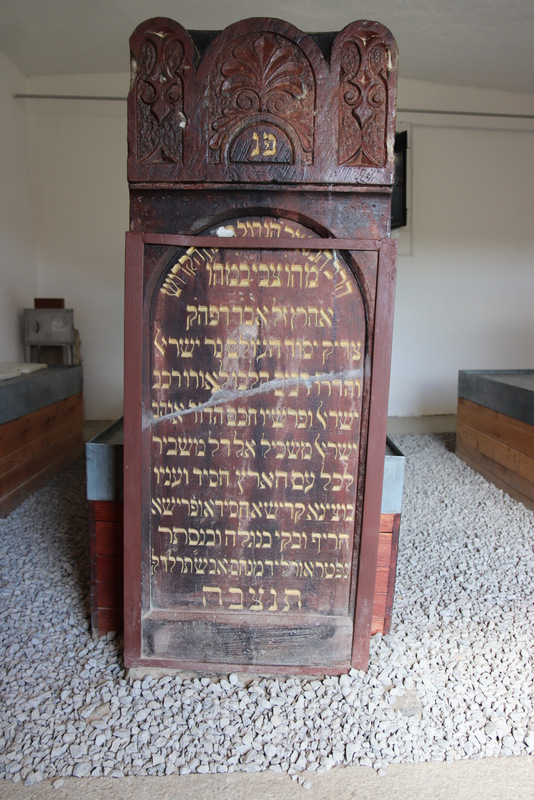
Zion of Ach Pri Tevuah (Liska/Olaszliszka, Hungary)
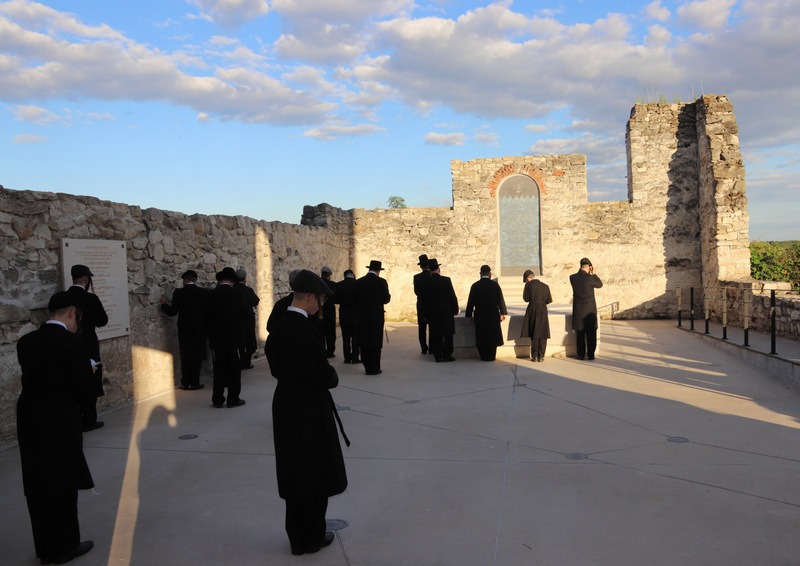
Visitors davening at the restored shul in Liska/Olaszliszka, Hungary – Shul built by Ach Pri Tevuah
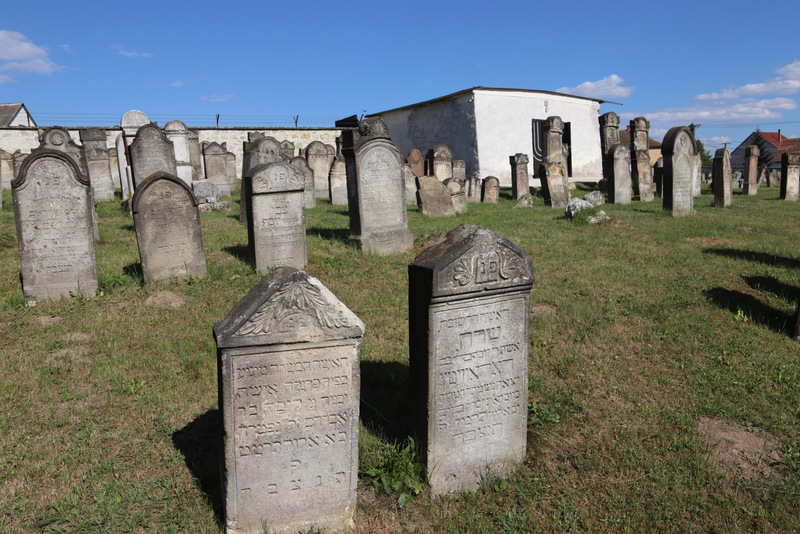 Cemetery (view to Ohel) (Liska/Olaszliszka, Hungary)
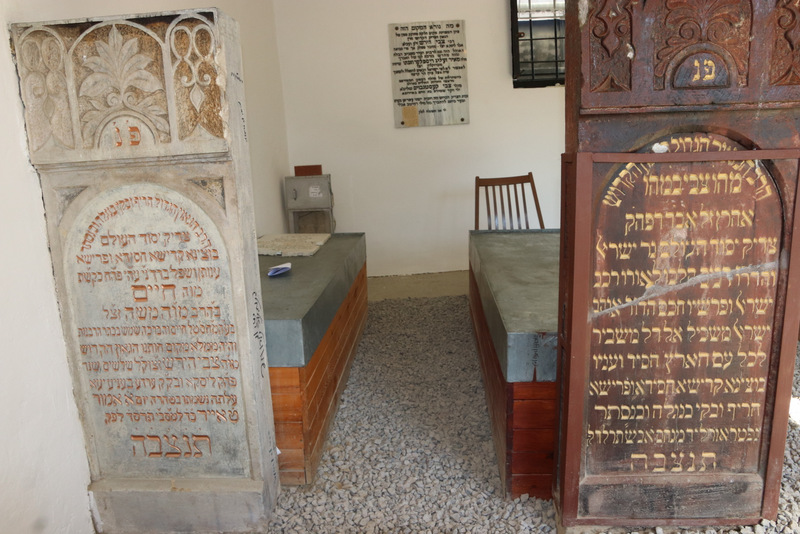 Zion of Tal Chaim, Ach Pri Tevuah (in Ohel in Cemetery in Liska/Olaszliszka, Hungary)
 Join the official YWN WhatsApp status