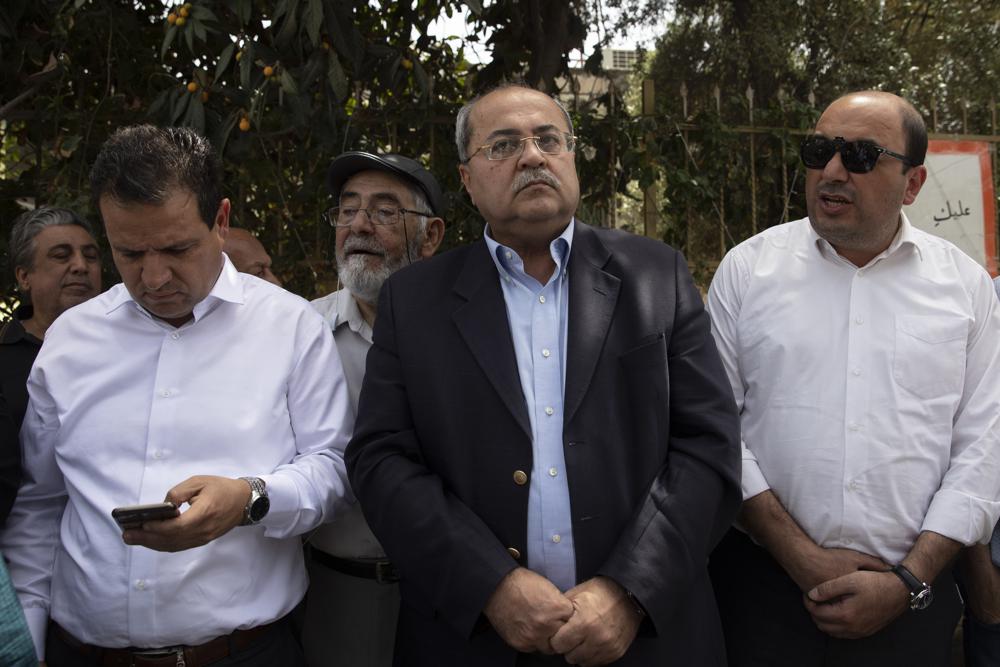
A decision that could potentially have far-reaching consequences and aid former Prime Minister Binyamin Netanyahu�s return to power occurred on Thursday when the Arab Joint List, which is comprised of three parties split up into two factions, Hadash-Ta�al and Balad.
According to the nationalist Balad party, the split occurred due to a dispute over the sixth slot on the combined party’s slate.
Sami Abou Shahadeh, the head of Balad, said it was the other two Arab parties, Hadash and Ta�al, who abandoned him just hours before the deadline late Thursday for submitting electoral lists. He accused them of jettisoning his party in order to ally with a centrist bloc led by caretaker Prime Minister Yair Lapid.
�We saw them announcing the list on television without us,� he said in a Facebook video released Friday. �I think it�s clear it was a political decision.�
Ahmad Tibi, the leader of Ta�al, said they had wanted to run as a Joint List again. �It didn�t work out, and that�s a shame,� he said. �It is a big challenge for all of us, to increase the voter turnout.�
Asked whether the smaller Joint List would support Lapid as prime minister, Tibi said �the issue of recommendations is for later.�
�I�m not even sure we�ll reach that point,� he added.
Arab parties have helped block Netanyahu from returning to power in recent elections, and in 2020 a combined list of four parties had their best showing yet, winning 15 seats in the 120-member Knesset and emerging as the third largest bloc in the assembly.
Last year, the Islamist Ra�am party broke from the Joint List. It only won four seats, but went on to make history by joining the governing coalition, a first for any Arab faction. Without Ra�am, the Joint List won just six seats in last year�s election.
(YWN Israel Desk � Jerusalem & AP)
 Join the official YWN WhatsApp status