
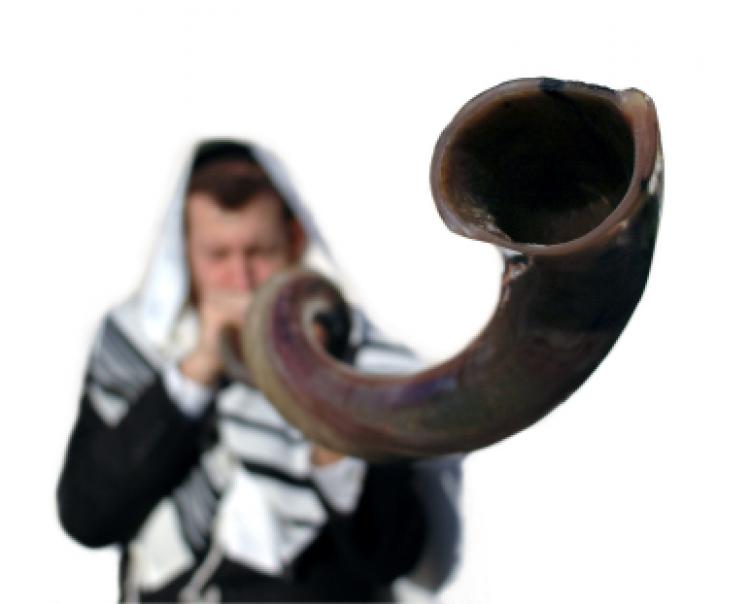
by Rabbi Yair Hoffman in the zechus of a refuah shleimah for
yehudis bas yitta
What follows is a summary and overview of the laws of Shofar blowing compiled by Rabbi Shmuel Fink. There are a number of Baalei Tekiyah and Baal Makrihs that could use this review. There are also a number of people that are blowing for others in hospitals who could use this review as well.
This summary is not intended to be a comprehensive collection of all of the ????? of ????? ????. The intent is only to provide a summary of the basic ????? found in the ???? ????? and, to a lesser degree, other similar sources that could be universally accepted and relied upon. Any ???? ,????, or advice for which an authoritative source could not be found, was intentionally omitted. This approach should enable every ??? ???? and ????? who is comfortable relying on the ???? ????? to follow all of the ????? listed in this summary. For each ????, the exact source is cited, so that if there is any question, the source can be looked up and evaluated. Of course, the actual ????? that are followed in each Shul should be determined solely by the Rav of the Shul.
Before ??????
- Even though we don’t blow ???? on ??? ??? ????, a ??? ???? may practice on ??? ??? ??? ? in a closed room.1
- A ??? ???? may practice on ??? ???? itself for that day, but it is ???? to practice after ?????? on the first day for the second day.2 This is true because we only apply the principle that the two
3.?????and not ,?????? – ????? ???are ??? ????days of
- When practicing on ??? ????, a ??? ???? should stipulate that he does not want to be ???? the ???? while practicing.4 This helps, even according to the opinion that ???? ??? ?????? ?????.5
- Any foreign object or material (i.e., dry blood6) on the inside of the ???? is considered a ?????,7 and invalidates the sounds.
- Although on the outside of the ???? there is no problem of ?????, there is a concern that anything stuck or attached to the outside of the ???? could alter – and thereby invalidate – the sounds. Such items should, therefore, be removed before ??? ????.8 If something on the outside of the ???? changes the sound, the ???? is ????.9
- ??????, if the ???? was blown with something stuck or attached to the outside of the ???? and it cannot be determined whether this material changed the sound, it can be assumed that the sound was not modified and the ????? can be considered ???.10
1 ???? ????? ???? ???”? ?”? ?”?
2 ???? ????? ???? ???”? ??”?
3 ???? ????? ???? ??”? ??”?
4 ???? ????? ???? ???”? ?”? ?” ?
5 ??? ????? ???? ???”? ?”? ?”?
6 ???? ????? ???? ???”? ??”?
7 ???? ???? ???? ???”? ???? ?”?
8 ???? ????? ???? ???”? ?”? ?”?
9 ???? ???? ???? ???”? ???? ?”?
10 ???? ???? ??? ???? ???”? ???? ?”?
- Nowadays, since the ???? ????? uses a ?????, the ???? ????? can be the ??? ????, even for the
11.???? ??”?during ??????
- An ??? (within 12 months for a parent or 30 days for another relative) should not be appointed to be a ??? ????. If, however, he is the most fitting person that can be found or has already been blowing ???? in a ???? for a few years, he can do so even while he is in ?????.12
?????
- Before making the ???? ?, the ??? ???? should have in mind to be ??? ? the ????, himself, and to be ????? everybody who is listening. If possible, he should say quietly to himself
13.??????? ??? ????? ??? ? ??????? ?? ??????? ??? ???? ????? ??? ???? ????? ?????
- ???????, the ??? ???? should not lean on anything while making the ????? 14 or when blowing any of the ?????.15
- When blowing the ???? for a ?????, the ??? ???? should make the ???? ?, even if he was already ???? ????the
- When saying the ? ??? of ????? ??? ????, the ??? ???? should say the word “???” a little more loudly and slowly.17
- ??????? make a ??????? before blowing ????, on both the first and second day of ??? ????. If possible, (when the first day of ??? ???? does not fall out on ???) the ??? ???? should wear a new article of clothing or have a new fruit on the second day and have in mind for the ??????? to go on the new clothing that he is wearing or the new fruit that he will eat later, as well.
However, even if the ??? ???? does not have new clothing or a new fruit, he should still make the ???????
- Before making the ???? ?, the ??? ???? should hold the ??? ? in his right hand19 (a lefty should use his left hand) underneath a cover. The ???? should not be taken out until after the ??? ???? finishes saying both ?????. In addition, the ???? should be covered whenever it is not being used. For example, between the ?????? ?????? and during ???? before the last set of ?????, the ???? should be covered.20
- It is ???? to speak from the time the ????? are made until after the last ????? is blown.21 However, any speech that would be helpful for the ?????? to be blown ????? or ????? ?????? is not considered a ???? and is, therefore, not ????.22
11 ???? ????? ???? ???”? ?”? ?”?
12 ??? ????? ???? ???”? ?”?
13 ??? ????? ???? ???”? ?”?
14 ???? ????? ???? ???”? ??”?
15 ???? ????? ???? ???”? ??”?
16 ??? ????? ???? ???”? ?”? ?”?
17 ??? ????? ???? ???”? ?”?
18 ???? ????? ???? ?”? ??”?
19 ???? ????? ???? ?”? ?”? ?”?
20 ?? ????? ???? ???”? ??? ?”?
21 ??? ??? ??? ??”? ???? ? ‘
22 ??”? ???? ??? “? ???? ?’
The ????
- It is preferable for the ??? ???? to place the ???? on the right side of his mouth.23 If, however, it is easier for him to blow on the left side, he may.24
- There cannot be anything between the ??? ? and the ??? ????’s lips.25
- The ??? ???? should hold the ??? ? with his right hand.26
- The ???? may be switched in the middle without making a new ????. Even if the ??? ???? did not have in mind to use the new ??? ? when he made the ????, as long as at least one ??? was blown with the original ????, he may use a second ????.27 Nonetheless, the ???? is to place all the ?????? that the ??? ???? plans to use, or may use as a backup, on the ???? before the ????? are made.28
?????
- ???????, a breath should be taken between each ???.29 For example, when blowing a ??”?, a breath should be taken between the first ????? and the ?????, and another breath between the ????? and the ending ?????.
- A ??? can be very high pitched, very low pitched, or any other sound; because all sounds are ???
30.?????, and ????? ,?????for a
- The ??????? for the ???? ? are measured in ???? ? .?????, also known as ????????, are the shortest sounds a person can blow, like the individual sounds in a ?????.31 (An explanation of how to convert ????? to seconds is provided in the appendix.)
?????
- The minimum length of a ????? blown for a ???”? is 18 ????? and a little more.32
- The minimum length of a ????? blown for a ??”? is 9 ????? and a little more.33
- The minimum length of a ????? blown for a ??” ? is 9 ?????.34
- ??????, it is enough if a ????? blown for a ???” ? is 9 ????? long. If it is shorter, you are not
35.????
- ??????, it is enough if a ????? blown for a ??”? is 9 ????? long. If it is shorter, you are not ????.36
23 ???? ????? ???? ???”? ??”?
24 ??? ????? ???? ???”? ?”? ?”?
25 ???? ????? ???? ???”? ?”? ?”?
26 ??? ????? ???? ???”? ?”?
27 ???? ????? ???? ???”? ??”?
28 ???? ????? ???? ???”? ?”? ?”?
29 ???? ???? ??? ???? ??”? ?”?
30 ???? ???? ???? ???”? ???? ? ‘
31 ???? ???? ???? ??”? ???? ? ‘
32 ???? ????? ???? ??”? ?”? ?”?
33 ??? ????? ???? ??”? ?”? ?’
34 ???? ????? ???? ??”? ?”? ?”?
35 ??? ????? ???? ??”? ?”? ?’
36 ??? ????? ???? ??”? ?”? ?’
- ??????, it is enough if a ????? blown for a ??”? is 3 ????? long. If it is shorter, you are not ????.37
- Although there is no problem with blowing a ????? longer than the minimum ?????,38 there is no additional ???? to do so.39
?????
- ???????, each ??? (the individual sounds in a ?????) should be at least 3 ????? long.40
- ??????, you are ???? if a ??? (one, two, or all three) was only 2 ????? long.41
- ???????, each ??? in a ??”? should be less than 6 ????? long.42
- ??????, you are ???? if a ??? (one, two, or all three) in a ??”? was 6, 7, or 8 ???? ? long.43
- ???????, each ??? blown for a ???” ? should be less than 9 ???? ? long.44
- ??????, you are ???? if a ??? (one, two, or all three) blown for a ???”? was 17 ????? or less.45
- In practice, it is best to be consistent and for every ??? to be only 3, 4, or 5 ????? long. This is true for both a ??”? and a ???”? because the length of every ????? should be roughly the same.46
- ???????, when blowing a ?????, more than 3 ???? ? (individual sounds) should not be blown.47
- All 3 sounds of the ????? must be blown in one breath. Even ??????, the ???? ? is not ?? ? if this is not done.48
?????
- ???????, when blowing a ?????, at least 9 ???????? (individual sounds) should be blown. ??????, if between 3 and 8 ???????? were blown, you are ????.49
- There is no problem blowing a ????? with more than 9 ???????? and, therefore, no need to try to stop after exactly 9.50
- The individual sounds of the ?????, including the first and last sounds, should not be longer than the shortest sound the ??? ???? can produce.51
37 ???? ????? ???? ??”? ?”? ?”?
38 ???? ???? ???? ??”? ???? ? ‘
39 ???? ?? ????? ???? ??? ?’ ?”? ?”? ????”?
40 ???? ????? ???? ??”? ?”? ?”?
41 ???? ????? ???? ??”? ?”? ?”?
42 ????? ???? ???? ??”? ?”? ??”?
43 ???? ????? ???? ??”? ?”? ?”?
44 ???? ????? ???? ??”? ?”? ?”?
45 ???? ????? ???? ??”? ?”? ?”?
46 ???? ????? ???? ??”? ?”? ?”?
47 ???? ????? ???? ??”? ?”? ?”?
48 ???? ????? ???? ??”? ?”? ?”?
49 ???? ????? ???? ??”? ?”? ?”?
50 ???? ???? ???? ??”? ???? ? ‘
51 ?”?
???”?
- It is a good idea to blow the ????? ????? of ???”? before ??? ? (the ?????? ??????) in ????? ??? (without taking a breath between the ????? and the ?????) and during ???? ??”? (the ?????? ??????) in ??? ?????? (with a breath between the ????? and the ?????).52 If there is no established ??? ? to the contrary, this is the way the ???” ? should be blown.53
- When blowing a ????? ????? in ????? ???, there should be a very small break between the ????? and the ?????. This break should be shorter than the amount of time necessary to take a breath.54
- When blowing a ????? ????? in ??? ??????, an actual breath should be taken between the
55.?????and ?????
????? ???? ?
- A ????? ????? should be blown for the 100th ???. The length of a ????? ????? is “longer than a regular ?????.”56
- If there is a ???? to blow additional ?????? ??????, the ??? ???? should be careful not to stretch these ?????? out too long. The longer the ??? is, the more likely it is that one or more of the following problems will occur: 1) The ??? will become weaker and quieter and some people may not hear the end of the ???. If this happens, these people are not ????, even though they heard the required ????? of the ?????.57 2) If the ??? is very long, people might erroneously begin saying the ??? ???? or ???? ??? ??? ? before the ??? is finished and it is ???? for them to be saying anything during the ????? ?.58
Correcting Mistakes – General Guidelines
- If a mistake was made in the middle of a line (????? ????? ????? ?????, for example), there is no need to repeat any of the previous lines.59
- If the ??? ???? made a mistake and accidentally blew the wrong ???, or even began blowing the wrong ???,60 he must go back to the beginning of the line and start again from the beginning of the line.61
- If the ??? ???? attempted to blow a ???, but the sound did not come out as he desired, he can try again and does not have to restart from the beginning of the line.62
52 ??? ????? ???? ??”? ?”? ?”?
53 ???? ???? ??? ???? ??”? ?”? 54 ???? ????? ???? ??”? ?”? ?”?
55 ???? ???? ? ?? ???? ??”? ?”?
56 ???? ????? ???? ???”? ??”?
57 ???? ????? ???? ???”? ?”? ?”?
58 ???? ????? ???? ???”? ?”?
59 ???? ???? ???? ??”? ???? ? ‘
60 ??? ????? ???? ??”? ?”? ?”?
61 ???? ???? ???? ??”? ???? ? ‘
62 ?”?
- If the ??? ???? inserted an extra ??? that is ??? (a ?????, a ?????, or a ????? ?????), even if it was a repetition of the ??? that was supposed to be blown63, he cannot continue and blow the ending ?????. Instead, he must go back to the beginning of the line and repeat the first ?????.64
- Although it is true that when an extra ??? that is ??? is inserted, you must go back to the beginning of the line; if when blowing a ???”?, a ????? without the ????? or vice versa was inserted, it is not necessary to go back to the beginning of the line.65
- If a ??? (specifically a ???? ?, a ?????, or a ????? ???? ?) that was only ??? ?????? is being reblown in order to be ???? ???????, the individual ??? cannot be blown again by itself. The ??? ???? must go back and start again from the beginning of the line.66
- If it wasn’t determined that the ??? ???? should go back until after he blew the ending ????? for the line, that ????? counts as the beginning ????? of the line and he can continue from there.67
- If it was decided that there is a need to repeat a ??? after lines with other ????? were already blown, the line that is being reblown can be repeated even if many lines were blown in between.68
- Care must be taken to ensure that two ?????? are sufficiently distant from each other, so that neither ???? hears the ???? being blown in the other ???? in the middle of their own blowing. If ????? can be heard from another ??????? ,???? the ???? should not be blown until they finish all of their blowing. This way, nobody will hear other ????? in between the ????? he is ???? with. This is necessary even if everyone will have specific intention not to be ???? with the ????? from the other ????.69
- If a mistake was made during the ?????? ??????, the ??? must be repeated and you should not rely on the ?????? ??????. Likewise, if a mistake was made during the ?????? ??????, the ??? must be repeated and you should not rely on the fact that the ??? was already blown in the ?????? ??????. If, however, the mistake was made in the last 40 ????? and the ?? ? is ??? ??????, it is not necessary to repeat the ??? for the purpose of being ???? ???????, and you certainly don’t have to go back to the beginning of the line.70
63 ???? ????? ???? ??”? ?”? ?”?
64 ???? ???? ???? ??”? ???? ? ‘
65 ???? ????? ???? ??”? ?”? ?” ?
66 ??? ??? ??? ??”? ???? ?”?
67 ???? ????? ???? ??”? ?”? ?”?
68 ???? ????? ???? ??”? ?”? ?”?
69 ????? ???? ???? ??”? ?”? ??????
70 ?”?
Correcting Mistakes – Common Cases
- If the ??? ???? made a mistake and accidentally blew the wrong ???, he must go back to the beginning of the line. Therefore, if, for example, instead of blowing a ????? in a ??”?, the ??? ???? accidentally blew a ????? ?????, he must go back to the beginning of the line and repeat the first ?????. This is true even if only part of the ????? was blown.
- If the ??? ???? made a mistake and accidentally blew the wrong ???, or even the right ??? the wrong way, he must go back to the beginning of the line and start again from the beginning of the line. For example, if when blowing the last ????? for the third line of ???” ? during the ?????? ??????, the ??? ???? miscalculated and thought he was up to the first ????? of the first line of ??”? and, therefore, blew a short ????? that was too short for a ???” ?, he must go back to the beginning of the third line of ???” ? and repeat the entire line.
- If while trying to get the correct sound out of the ??? ?, the ??? ???? blew some separate, disjointed sounds that did not come out right, he does not have to go back to the beginning of the line and can continue as soon as he gets the correct sound to come out of the ????. This is true as long as the ??? ???? did not blow three sounds within one breath that sounded like a ????? or ?????. If, however, while trying to get the correct sound out of the ??? ?, the ??? ???? produced three sounds within one breath that sounded like a ????? or ?????, he must go back to the beginning of the line and repeat the first ?????.
- If the ??? ???? was not satisfied with a ?????, a ?????, or a ????? ????? that was ?? ? and, although it is not necessary, he would like reblow the ???. In order to repeat the ???, he would have to go back to the beginning of the line and repeat the first ?????.
- If while blowing a ????? ????? the ??? ???? blew the ????? portion and then had difficulty blowing the ????? and needs to reblow the ???, the ????? ????? can be reblown without repeating the ?????, as long as three individual sounds of the ????? were not blown. If, however, at least three ???????? were blown, he must go back to the beginning of the line and reblow the first ????? before blowing the ????? ????? over again.
- If a ??? that was only ??? ?????? is being reblown in order to be ???? ???????, the ??? ???? must go back and start again from the beginning of the line. Therefore, if when attempting to blow a ????? the ??? ???? was only able to blow 3 (or any number between 3 and 8) ???????? and then he took a breath, in order to reblow the ????? to its ??????? length of at least 9 ????????, he would have to go back to the beginning of the line and repeat the first ?????.
- If when blowing a ????? ?????, the ??? ???? accidentally blew the ?? ? in ??? ?????? when it should have been blown in ????? ??? or vice versa, he accidentally blew the ??? in ????? ??? when it should have been blown in ??? ??????; because a ??? that was ??? ?????? is being reblown in order to be ???? ???????, the ??? ???? would have to go back and start again from the beginning of the line and repeat the first ????? before reblowing the ?? ? as he had originally intended.
- If when blowing a ?????, one ??? or two were only 2 ????? long and one or two sounds of the ????? were 3 (or 4 or 5) ????? long, the ??? is ??? ??????. In order to reblow the ??? to be ???? ???????, with each sound at least 3 ???? ? long, the ??? ???? would have to go back to the beginning of the line and repeat the first ?????. The same ???? would be true if all 3 sounds of the ???? ? were less than 3 ????? long.
- If the ending ????? of a line was blown too short to be ??? ???????, (either because the ??? ???? was having difficulty continuing the ??? or because the ??? ???? estimated incorrectly that the ????? was long enough and stopped) even if it was long enough to be ??? ??????, it can be reblown without going back to the beginning of the line. This is true because, unlike a ????? or ?????, if the ????? was ???, the new ????? is being blown after the line (after the ending ????? was blown) and is not interrupting. If it was not ???, the new ????? being blown now is the first ????? that is ?? ? and not the repetition of a ??? that is ???. The previous ?? ? was merely an attempt at a ????? that did not work out and does not interrupt the line.
- If after blowing a complete line, such as ????? ????? ?????, it was decided that there was a problem with the ?????, the line must be repeated from the beginning, but the ????? that was just blown as the ending ????? for the line can instead be considered as the beginning ????? of the line that is being reblown, and it is now only necessary to repeat the ????? and the ?????.
After ??????
- After ????? ???? it is ???? to blow the ???? without reason, just as it would be on any other ??? ???.71 Nonetheless, the ??? ? is not ?????.72 On ???, however, the ???? is ?????.73
- It is ???? to blow additional ????? if there is a ??? whether someone was ???? or even in order to be ???? in accordance with other ?????, according to whom you have not been ????.74
Note: While it is true that we may try to be ???? the ???? of ????? ???? in a manner that is “???????”, even after a mistake was made and it becomes necessary to repeat ?????, the cases in which you are ???? ?????? are, nonetheless, important to know and understand for the following reasons:
- a) During the last 40 ???? ? there is no need to repeat these ?????.
- b) If a ??? that was ??? ?????? is going to be repeated, the ??? ???? must start again from the beginning of the line and repeat the first ?????. This is not necessarily the case if the ??? was not considered ??? at all.
- c) If the ??? ???? is having a lot of difficulty producing ????? that are ??? ???????, there may be a need to rely on the ???? ??????.
Questions and comments can be sent to [email protected].
71 ??”? ???? ???”? ???? ? ‘
72 ???? ????? ???? ???”? ??”?
73 ??”? ???? ???”? ???? ?’
74 ??? ??? ??? ??”? ???? ?”?
Appendix
Although, as mentioned above, the goal of this summary is to provide only the ????? that are found in the ???? ???? ? or contemporary or earlier ?????, in order to make it more practical and useful, this appendix contains some guidelines for converting the ??????? given by the ???? ????? into measurements that can be timed on a watch.
Converting ????? to Seconds
I have timed myself blowing a ????? (using a computer and software designed to measure sound waves) numerous times. I have consistently found that I blow between 7 and 8 ???????? per second. This means each ?? ? is between 125 and 145 milliseconds. A slower ????? would be 6 or maybe even 5 ???????? per second, in which case a ??? could be as long 200 milliseconds. Of course, it is possible to blow a faster ?????. If there are 9 ???????? per second, the length of a ??? would be as little as 110 milliseconds. This would be considered a very fast ?????.
The Number of Seconds for ????? ?
Based on the above, we can determine the minimum length of a ????? for a ??”? and ??”? to be between 1 and 2 seconds. To be on the safe side, these ?????? should be at least 2 seconds long. For a ???”?, the minimum length of a ????? is 3 to 4 seconds. Once again, to be on the safe side, these ?????? should be at least 4 seconds long.
There is some discussion whether the length of a ????? depends on the individual ??? ???? or on an average, as it does for the ????? of a ????. Either way, requiring at least 2 seconds for a ??”? and ??”?, and 4 seconds for a ???”? makes sense, especially if you don’t want to measure fractions of a second. The table below illustrates this idea.
Number of ????? per second Length of a ??? in milliseconds Length of a ????? for a ??”? in
seconds (9
(????? Length of ????? for a ??”? in
seconds (a
little more than
(???? ? 9 Length of ????? for a
in ???”?
seconds (a little more
than 18
(?????
Slow 5 200 1.8 2.0 3.8
5.5 182 1.6 1.8 3.5
Normal 6 167 1.5 1.7 3.2
6.5 154 1.4 1.6 3.0
7 143 1.3 1.5 2.8
7.5 133 1.2 1.4 2.6
8 125 1.1 1.3 2.5
Fast 8.5 118 1.1 1.3 2.3
9 111 1.0 1.2 2.2
After coming to this conclusion based on my own measurements and calculations, I saw these exact ??????? (2 and 4 seconds) brought down and attributed to Rav Moshe Feinstein ??” ? in a ?? ? called ????? ???? ???. Many Rabbanim require longer ???????, which is fine, but 2 and 4 seconds can safely be used if the Shul Rav does not require longer ???????. In the yeshiva where I blow, for example, we use ??????? from Rav Shraga Feivel Cohen, author of the ??? ?????. I am required to blow ?????? of 4 seconds for ??”? and ??”? and 5 seconds for ???” ?. It is important when using the 2 and 4 second ???????, to make sure that you have 2 (or 4) full seconds from the beginning of the ????? until the end.
The Number of Seconds for ?????
In order to make sure that each individual sound of the ????? is at least 3 ????? long, an effort should be made to make sure that each ?? ? is at least half a second. Given the fact that 3 ????? is a minimum, and 4 or 5 ????? would also be ???????, as well as the consideration that the ????? may depend on the speed of the average ??? ????, this seems to be a safe number to work with. The table below demonstrates this point.
# of ?????/second Length of a ??? in ms Min lngth of ??? in ms
(????? 3)
Slow 5 200 600
5.5 182 545
Normal 6 167 500
6.5 154 462
7 143 429
7.5 133 400
8 125 375
Fast 8.5 118 353
9 111 333
Obviously, it is impossible to time each sound to be the exact right number of milliseconds. In the case of a ???, it’s better for the ??? to be a little longer than it is for it to be a little shorter. The goal should be, therefore, for each ??? to be between a half and two thirds of a second. The number of seconds brought down by the ???? ???? ????? in the name of the ??? ??? by Rav Nissim Karelitz confirms the half-second ????? for each individual ?? ?.
Rav Shimon BoxeView Postr suggests in ????? ???? ? that the simplest way to practice blowing a ????? that is the correct length, and get used to the correct length, is to blow 3 consecutive ????? (9 individual sounds) without a break between them. If each of the 9 sounds appear to be the same length and all 9 sounds take 5 seconds, each ?? ? should be approximately half a second long. Once again, if the timing can’t be perfect, a little longer is better than a little shorter.
 Join the official YWN WhatsApp status


