
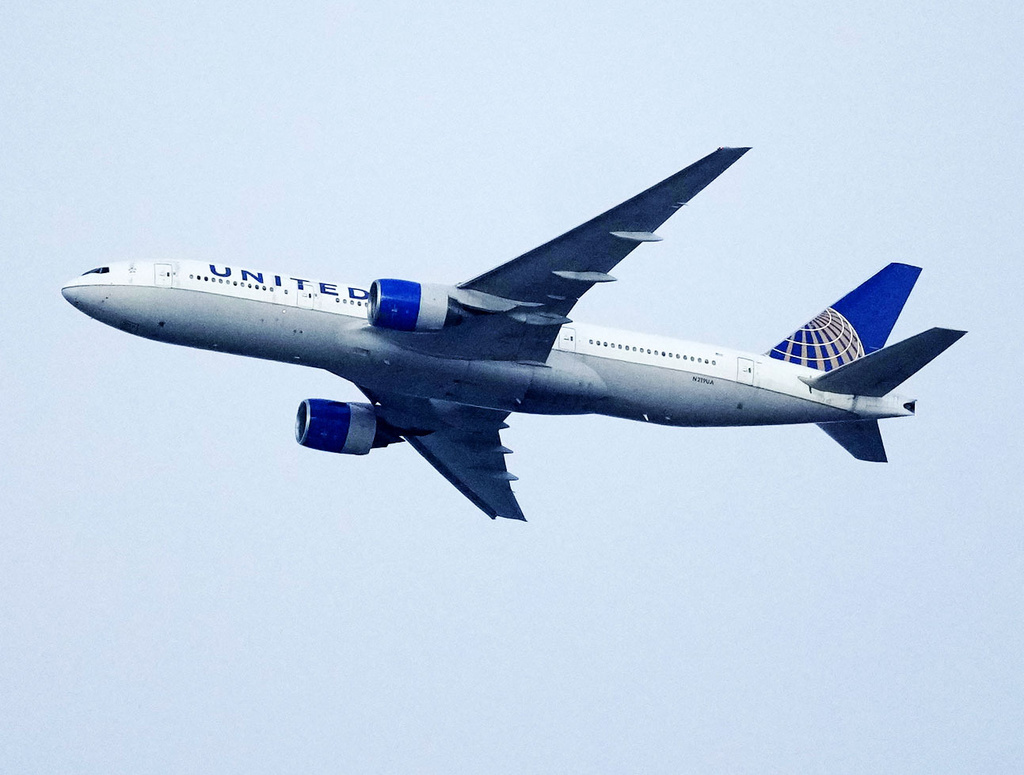
United Airlines is asking a federal judge to dismiss a class-action lawsuit accusing the carrier — along with Delta Air Lines — of deceiving passengers by charging extra for “window” seats that offer no actual window. In a striking legal argument filed on Nov. 10, United insists that the term “window seat” refers only to a seat positioned next to the cabin wall, not a guarantee of an exterior view.
“The use of the word ‘window’ cannot reasonably be interpreted as a promise that the seat will have an exterior window view,” United’s lawyers argued, noting that the airline’s contract of carriage does not explicitly ensure a view outside.
But passengers say they paid for exactly that. One plaintiff, Aviva Copaken, said she spent $169.99 for a window seat, only to find herself staring at a blank wall. The lawsuit points out that Boeing 737s — which make up more than half of United’s fleet — have several rows where “window seats” lack actual windows because of internal aircraft components like ducts and electrical conduits. Similar issues exist on Airbus A320s and Boeing 757s.
Some airlines, including American, Alaska, and Ryanair, warn customers during booking when a window seat does not come with a window. United and Delta do not.
Carter Greenbaum, attorney for the plaintiffs, called United’s position “contrary to the reasonable expectations of countless passengers who unknowingly paid extra money for windowless window seats.” He argued that if airlines are charging extra for services that were once free, they should at least disclose what passengers are actually buying.
An amended complaint filed Oct. 15 argues that passengers often choose window seats for emotional and physical comfort — including relief from anxiety, fear of flying, claustrophobia, and motion sickness. Depriving them of that option, the complaint says, undermines the entire purpose of paying for the upgrade. “Had plaintiffs known they were buying windowless window seats, they would not have selected them at all, much less paid extra,” it states.
The lawsuit accuses United of four violations: breach of contract, breach of a separate agreement, breach of implied contract, and promissory estoppel — the legal term for reneging on a promise. A proposed trial date has been set for June 7, 2027.
As the case moves forward, the central question remains: what exactly does “window seat” mean? United says it refers merely to seat position. Passengers argue they paid extra for something more than a wall.
(YWN World Headquarters – NYC)
 Join the official YWN WhatsApp status


4 Responses
The fact that you are paying extra for it kinda indicates that there is an expectation of a superior seat.
I think it would take quite a lot to convince a judge that a wall seat is superior.
On another note, is that an argument the airline industry really wants to make?
That a window seat is equal to a wall seat? I can’t see any negative repercusions in that!
United’s position is ridiculous. Even if “United says it refers merely to seat position”, the seats in question are not positioned near a window. So what makes them “window seats”?
Why would anyone ever choose a seat alongside the wall, with two people to get through in order to get to the toilet, unless they wanted a window to look through? That’s the only reason anyone would ever choose such an inconvenient seat, let alone pay extra for it. So when it doesn’t come with an actual window, it’s a bait-and-switch; had the passenger known this he would undoubtedly have chosen an aisle seat instead.
Are we all stupidly? One or two people to get through to use the toilet means if you were one of those people you would have to get up on someone else�s terms. Having an interior seat means you don�t get bothered to let someone go through. People desire that seat for exactly this reason.
The only argument – a poor one – would be that one would want an inner seat so that no one has to climb over / past them during the flight. Of course, it’s not called an “inner seat”.