New disclosures by Channel 12 commentator Amit Segal have shed further light on the complex intelligence and operational trail that ultimately led to the recovery of the body of fallen Israel Police officer Ran Gvili hy”d, revealing missed opportunities, shifting battlefield lines and a late-breaking intelligence breakthrough that unlocked the final mission.
According to Segal, Israeli forces had entered the area where Gvili was ultimately found months earlier without knowing he may have been buried there.
Roughly three months ago, IDF troops requested that the commander of Israel’s Southern Command extend the so-called Yellow Line to include a Muslim cemetery in northern Gaza. The request was driven by operational concerns, with troops warning that the area posed a significant danger to Israeli forces. The commander approved the extension.
At the time, IDF units operated inside the cemetery, unaware that Gvili’s remains may have been buried there. During those operations, Israeli forces discovered and destroyed a terror tunnel running beneath the cemetery, but no recovery effort was launched because intelligence had not yet connected the site to Gvili.
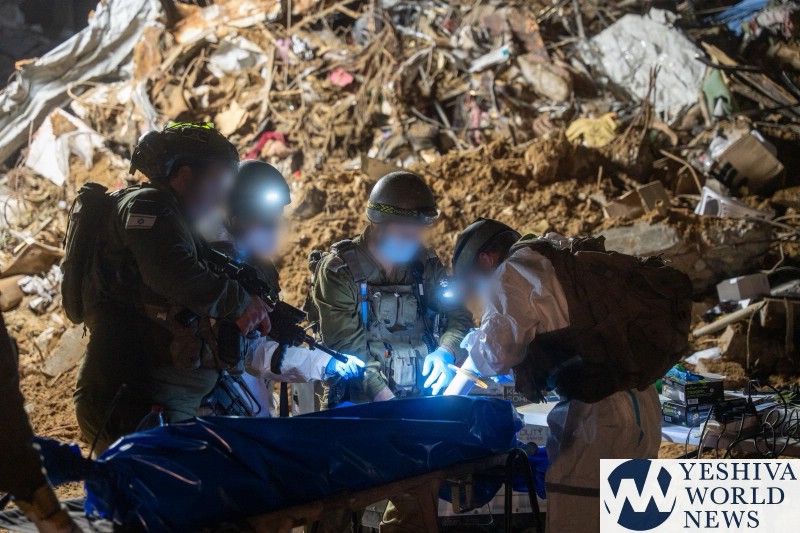
Only in recent weeks did improved intelligence assessments indicate that Gvili was likely buried at the cemetery, identified as the al-Batsh cemetery in the northern Gaza Strip. Following additional coordination and verification, Israeli security officials authorized a dedicated operation to retrieve his body.
A key breakthrough came from a separate counterterrorism operation.
The Shin Bet disclosed that about a month ago, during an operation in southern Gaza City, Israeli forces arrested a Palestinian Islamic Jihad operative who had taken part in military activity against IDF forces during the war.
During interrogation, the suspect admitted to participating in the transfer of Gvili’s body between multiple locations and identified additional individuals with knowledge of the burial site, according to the Shin Bet. The intelligence gathered during questioning bolstered assessments that Gvili had been buried in the al-Batsh cemetery.
That intelligence set the stage for the recovery mission.
The Shin Bet said the operation ultimately involved the opening of more than 700 graves and the examination of more than 250 bodies. Israeli forces ultimately located Gvili inside a Shifa hospital body bag, with his police-issued uniform, shoes and belt still intact.
(YWN World Headquarters – NYC)
 Join the official YWN WhatsApp status