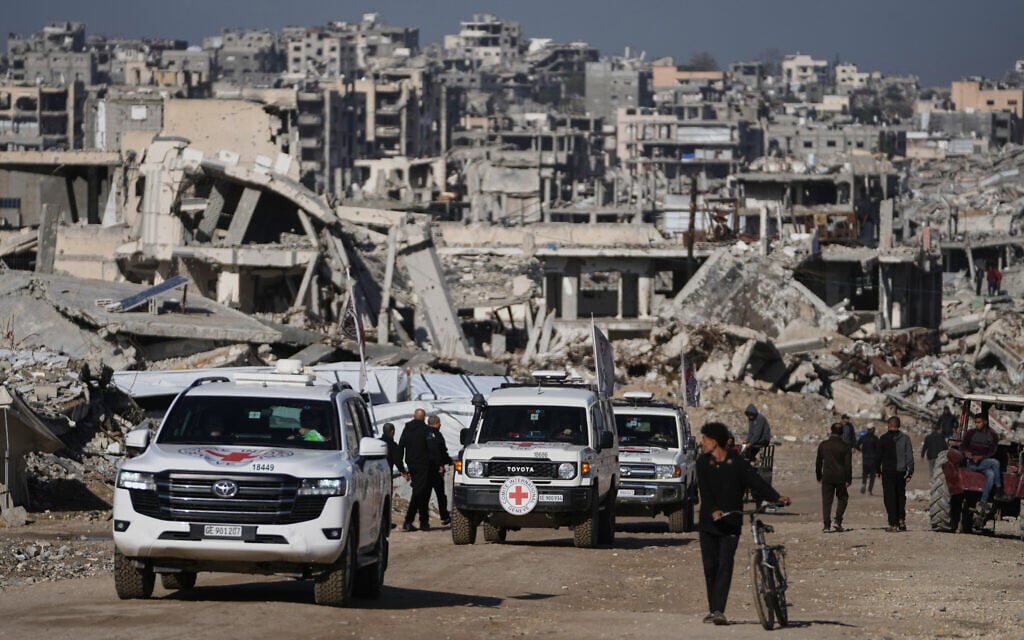
Morocco and Albania are set to join the International Stabilization Force (ISF), a multinational force tasked with overseeing elements of security and stability in Gaza Strip under Phase II of the ceasefire framework backed by President Donald Trump’s administration.
According to The Jerusalem Post, the two countries’ participation is part of a broader expansion of the mission, which aims to monitor ceasefire lines between Israel and Hamas and manage limited border-related responsibilities.
In addition, Kan News reported Monday that Greece will also join the ISF. The announcements follow Sunday’s confirmation that Indonesia will become the first nation to deploy forces under the mission and come ahead of a planned summit of the Board of Peace in Washington on Thursday.
The Associated Press reported that Indonesia’s initial contribution will begin in April, with about 1,000 troops expected to deploy in the first phase and a larger force of roughly 8,000 scheduled for June. Indonesian officials said preparatory screening and clearance processes are underway, though deployment could be delayed if security conditions deteriorate.
While specific timelines for Morocco, Albania, and Greece have not been disclosed, earlier reports suggested that Morocco and Indonesia would form the backbone of the mission. Morocco has maintained close defense ties with Israel since the signing of normalization agreements in 2020.
Indonesian President Prabowo Subianto is expected to attend the Board of Peace summit on Feb. 19, where regional security and the future of the ISF are likely to feature prominently.
In recent months, several other countries — including the United Arab Emirates, Egypt, Italy, Azerbaijan, Pakistan, Qatar, and Turkey — have been mentioned as potential contributors. So far, however, Indonesia is the only country to have moved from political commitments to concrete deployment plans.
U.S. and regional officials have emphasized that the ISF is not intended to confront Hamas directly or pursue disarmament. Instead, the force is expected to focus on monitoring ceasefire arrangements, supervising buffer zones, and assisting with limited security coordination.
Supporters of the initiative argue that the gradual buildup of multinational participation reflects growing international backing for stabilizing Gaza in the post-conflict phase.
Critics, however, warn that the mission’s limited mandate and reliance on voluntary troop contributions could constrain its effectiveness in a volatile security environment.
(YWN World Headquarters – NYC)
 Join the official YWN WhatsApp status