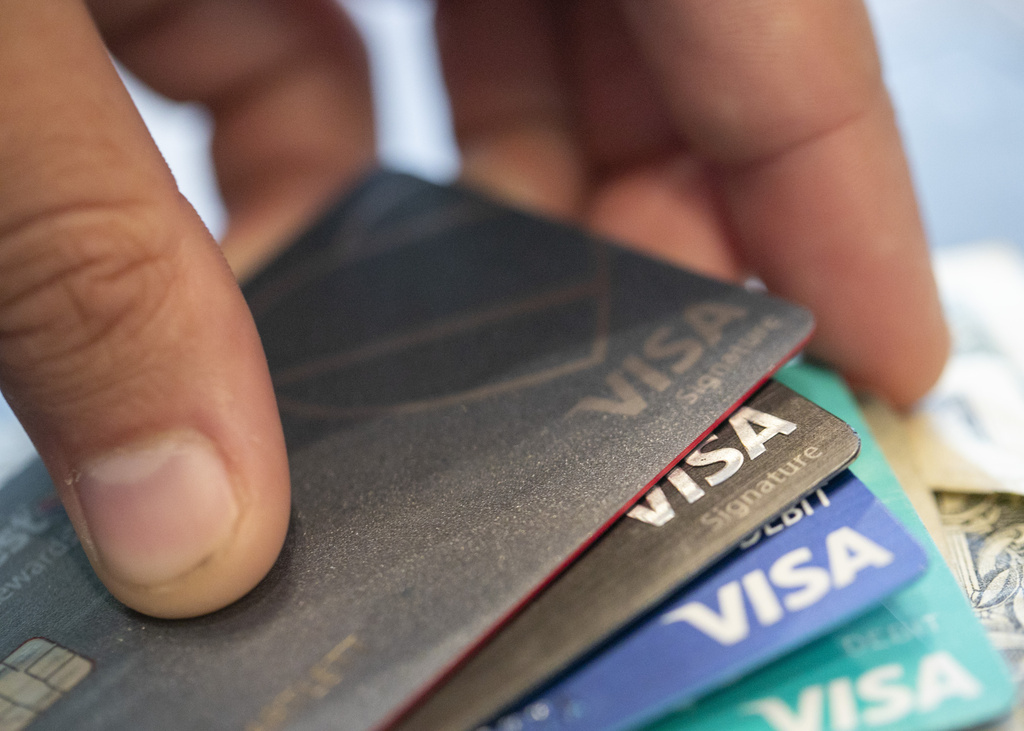
Defaults on U.S. credit card loans have reached their highest point since the aftermath of the 2008 financial crisis, signaling growing financial distress among lower-income consumers, according to data from BankRegData.
In the first nine months of 2024, lenders wrote off $46 billion in seriously delinquent credit card balances � a 50% increase from the previous year and the highest figure in 14 years. Write-offs, which indicate debts deemed unrecoverable, are considered a key indicator of financial strain.
�High-income households are fine, but the bottom third of U.S. consumers are tapped out,� said Mark Zandi, chief economist at Moody�s Analytics. �Their savings rate right now is zero.�
The spike in defaults reflects mounting pressure on personal finances, driven by years of persistent inflation and elevated borrowing costs maintained by the Federal Reserve.
Capital One, the third-largest U.S. credit card lender, reported that its annualized credit card write-off rate rose to 6.1% in November, up from 5.2% the previous year.
Rising balances and high interest rates have left many Americans unable to pay off their debts in full, contributing to $170 billion in interest payments over the past year. Despite the write-offs, $37 billion in credit card debt remains overdue by at least one month.
Delinquency rates peaked in July and remain nearly a percentage point higher than pre-pandemic levels. Analysts warn this could signal further economic challenges.
�Delinquencies are pointing to more pain ahead,� said Odysseas Papadimitriou, CEO of WalletHub.
Uncertainty looms as the Federal Reserve signals modest rate cuts in 2025, disappointing hopes for significant relief. Additionally, President-elect Donald Trump�s proposed tariffs could drive inflation and interest rates higher, adding to the financial strain on consumers in the coming year.
(YWN World Headquarters – NYC)
 Join the official YWN WhatsApp status