
Israeli Prime Minister Benjamin Netanyahu has quietly instructed his closest advisers to prepare for the possibility that the Knesset could dissolve in the near future, raising the prospect that Israel could be headed for early elections months ahead of schedule, according to a report by Ynet on Wednesday.
While Israel�s next national election is officially set for October 27, 2026, Netanyahu has asked aides to ready contingency plans for elections as early as June, roughly four months sooner than expected. He has also ordered the formation of a campaign team for Likud, signaling that behind closed doors, preparations are already underway for a potential race to form the 26th Knesset.
Under such a compressed timetable, Likud party primaries to determine the candidate slate would need to be held within months.
Publicly, Netanyahu continues to project stability. In recent days, he has repeatedly told senior ministers that his 37th government will complete its term, pass the next state budget, and hold elections on schedule. Coalition ministers have echoed that message in public, seeking to avoid the perception of a government entering its final days.
Privately, however, political sources say Netanyahu is bracing for the possibility that the coalition could unravel quickly.
In conversations with close confidants, Netanyahu has expressed confidence that the highly contentious legislation granting exemptions from mandatory military service for Chareidi men will pass. But in more candid consultations, he has acknowledged that failure to pass either the draft law or the state budget could trigger the early dissolution of the Knesset.
�He tells everyone that elections will be held on time because he does not want discipline to erode or a sense that the government is at the end of its rope,� a senior government official told Ynet. �He wants to serve out the full term and does not want to lose even a single day in office. But in practice, Likud is already preparing for the possibility that the Knesset will be forced to dissolve soon.�
Netanyahu is reportedly considering a campaign structure built largely around his current advisers, with additional political consultants expected to join as the situation develops.
Signs of campaign-mode politics are already emerging across the coalition. While ministers publicly insist there will be no early elections, several senior figures appear to be sharpening their profiles with voter-friendly initiatives and headline-grabbing legislation.
Finance Minister Bezalel Smotrich has advanced reforms to the dairy market and changes to taxation on overseas purchases. National Security Minister Itamar Ben-Gvir has pushed aggressively to place the death penalty for terrorists at the center of the public agenda, promoting the issue with a confrontational campaign that has included wearing a noose pin.
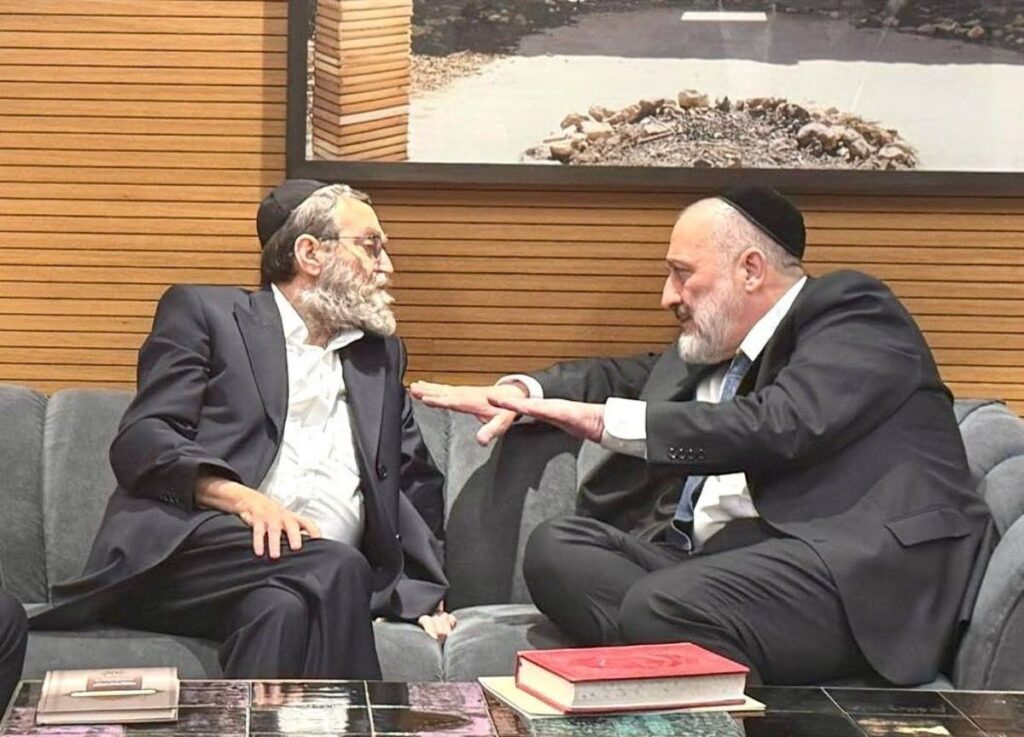
At the heart of the political instability is the escalating clash with Chareidi parties over the military draft law, compounded by growing unease within Likud itself. Some Likud lawmakers have voiced discomfort with the current exemption framework being debated in the Knesset�s Foreign Affairs and Defense Committee.
The crisis grew earlier this week when the coalition was forced to pull legislation from the parliamentary agenda after the Chareidi parties made clear they would not support it. The deadlock has only worsened amid multiple arrests of bochurim, further inflaming tensions.
Although none of the coalition partners are eager to face voters early, officials warn that if the standoff over the draft law and budget continues, early elections may become unavoidable.
(YWN World Headquarters – NYC)
 Join the official YWN WhatsApp status




2 Responses
I�ll believe it when I see it
They�ve been saying it for months already
What a waste of time, the Supreme Court always wins