
American and Iranian negotiators have agreed on a set of �guiding principles� for a possible nuclear deal, offering a tentative breakthrough in high-stakes talks.
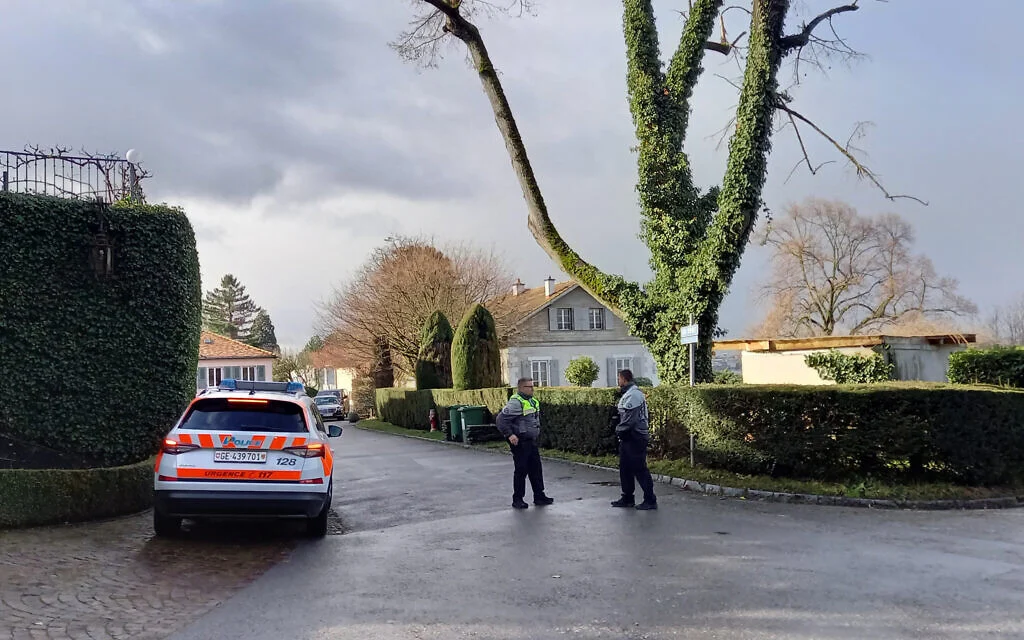
Iran�s foreign minister, Abbas Araghchi, said the two sides made progress during a second round of negotiations in Switzerland.
�We were able to reach a general agreement on a set of guiding principles,� Araghchi told Iranian state television. �This does not mean that we can quickly reach a final agreement, but at least the path has begun.�
Details of the principles were not immediately disclosed, and the White House declined to comment.
The talks come as President Donald Trump presses Tehran for broader concessions, insisting that any agreement must also address Iran�s ballistic missile program and its treatment of anti-regime protesters � demands Iranian officials have repeatedly rejected.
�It�s got to be a good deal,� Trump said last week. �No nuclear weapons, no missiles.�
U.S. negotiations have been led in part by Trump allies Jared Kushner and Steve Witkoff, following earlier indirect talks in Oman that both sides described as constructive.
On the same day talks resumed, Iran�s supreme leader, Ali Khamenei, openly taunted Washington, warning that U.S. naval forces in the region could be struck.
�The strongest army in the world can sometimes be slapped so hard it cannot get up,� Khamenei said in remarks published by Iranian media.
His office later suggested on social media that U.S. warships could be sunk.
Iran has also conducted military drills in the Strait of Hormuz and nearby waterways, at times claiming to restrict access to the critical shipping route that carries roughly one-fifth of the world�s seaborne oil.
In response, Trump has expanded the U.S. military presence in the region, sending additional aircraft carriers and strike groups to the Middle East.
�I think they want to make a deal,� Trump said aboard Air Force One this week. �I don�t think they want the consequences of not making a deal.�
The negotiations are taking place under the shadow of Trump�s earlier use of force. In June last year, he ordered airstrikes on three major Iranian nuclear facilities, claiming they were �completely and totally obliterated.�
Iran denies pursuing nuclear weapons, though it previously enriched uranium to levels far above what is needed for civilian energy.
Trump has declined to rule out renewed military action.
�If we do it,� he said when asked about future strikes, �that would be the least of the mission.�
(YWN World Headquarters – NYC)
 Join the official YWN WhatsApp status


