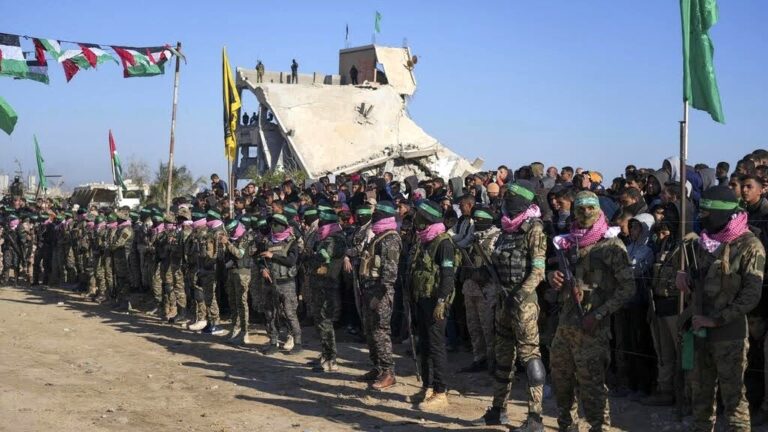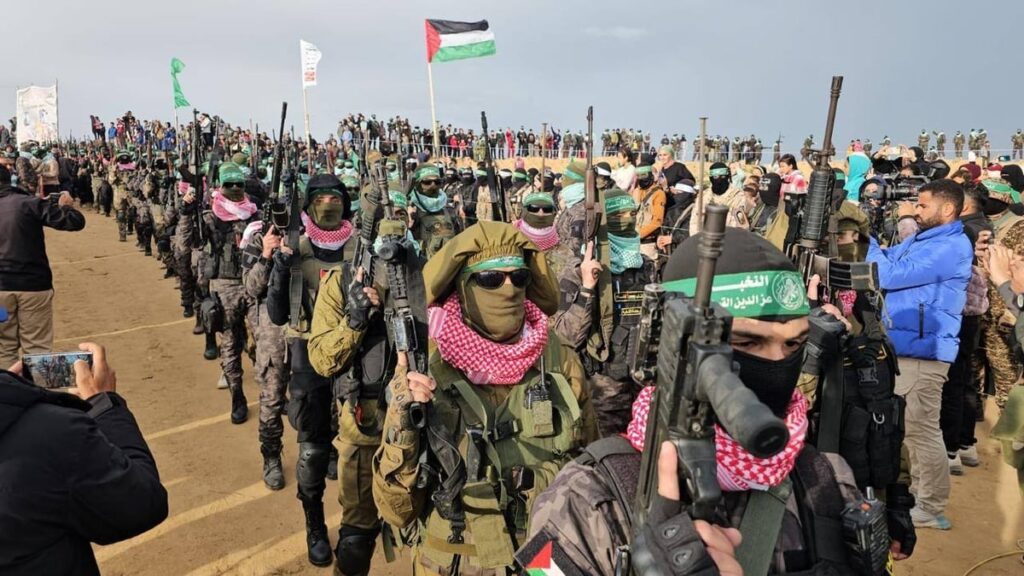
Hamas has rejected a U.S.-backed proposal to disarm the group, instead asking mediators to revise the plan, adding new strain to already fragile ceasefire negotiations.
The proposal, put forward by the so-called Board of Peace and led by high representative Nickolay Mladenov, was presented to Hamas during meetings in Cairo last month. The plan is tied to broader efforts to move the Israel-Hamas ceasefire into its next phase, following an initial agreement reached in October.
Despite weeks of deliberation, Hamas declined to accept the disarmament framework before a deadline that expired late last week, the source said. Instead, the group requested modifications, underscoring its longstanding refusal to relinquish its weapons.
The rejection comes as negotiations appear increasingly stalled. In remarks to the BBC, a senior Palestinian official accused Mladenov of pro-Israel bias and said Hamas would not engage in further talks until Israel fulfills what the group views as its remaining obligations under Phase I of the ceasefire.
“We are waiting for Mladenov to provide a clear timetable for Israel to fulfill the remaining obligations of Phase I,” a senior Hamas official said.
Israeli officials have pushed back on that claim, pointing to steps already taken, including withdrawing forces from populated areas of Gaza to positions east of the Yellow Line and increasing the flow of humanitarian aid into the enclave. Israel has maintained that meaningful progress toward a second phase of the deal depends on movement toward disarming Hamas.
The disarmament issue has emerged as a central sticking point in the negotiations. While demilitarization was included in the original ceasefire framework, Hamas has consistently rejected the idea, arguing that surrendering its weapons would leave it vulnerable and weaken its leverage in future talks.
Other terrorist groups, including Palestinian Islamic Jihad, also dismissed the proposal shortly after it was introduced, criticizing it for prioritizing disarmament over reconstruction efforts in Gaza.
The plan was advanced following an announcement by Steve Witkoff in mid-January outlining a potential Phase II of the ceasefire, which would expand on the initial truce and address longer-term security arrangements.
(YWN World Headquarters – NYC)