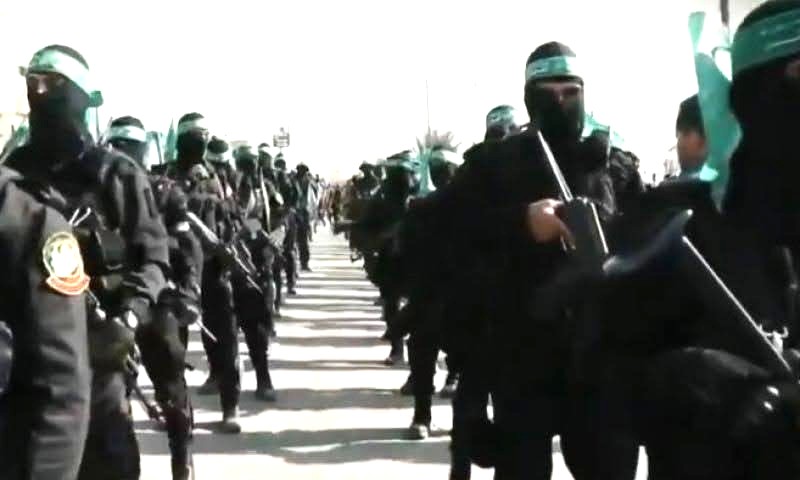
Internal Hamas intelligence files, seized by the IDF and newly analyzed, reveal a sweeping, years-long surveillance dragnet aimed at aid workers and local “guarantors” tasked with facilitating humanitarian operations. The documents, compiled between 2018 and 2022, expose a system of coercion, intimidation, and ideological policing that governed nearly every foreign organization operating in the Strip.
The dossiers — 55 in total, covering personnel connected to 48 international NGOs — read like a mix of intelligence reports and moral inquisition. Hamas agents logged everything from suspected political loyalties to clothing choices.
One female aid liaison was flagged for leaving “her house in exposed clothing that transgresses sharia law.” Another worker was deemed “morally suspicious” for allegedly having an “immoral relationship with a female employee.” A third was tagged as hating “the Hamas movement,” while others were criticized for insufficient religious observance.
None of this was incidental. In Gaza, NGOs cannot operate without Hamas-approved “guarantors,” local intermediaries who interface with the terror group since foreign organizations cannot legally engage with Hamas. The captured documents show Hamas using that requirement to embed itself into the global aid system — vetting, monitoring, and effectively controlling key personnel.
The files detail Hamas combing through social media accounts, tracking financial transfers, and cataloging the private lives of aid liaisons. One woman was noted for having “no hostile activity on Facebook,” which apparently worked in her favor.
The scrutiny extended beyond individuals. Hamas intelligence flagged organizations suspected of ties to rival factions, complaining that Catholic Relief Services’ guarantor was “affiliated with the Popular Front for the Liberation of Palestine,” itself a U.S.-designated terror group.
Aid groups’ finances were also examined. Hamas reprimanded Save the Children in 2019 for refusing to submit to its “financial inspections,” demanding restrictions on its programs until “cooperation” improved.
A report by NGO Monitor, drawing on the seized files, concludes that international groups “do not operate independently” in Gaza. Instead, they are enmeshed in an “institutionalized framework of coercion, intimidation and surveillance that services Hamas’s terror objectives.”
The revelations add another layer to longstanding accusations that Hamas manipulates humanitarian networks for its own ends — accusations sharpened after the October 7, 2023 massacre, when Hamas terrorists murdered 1,200 Israelis and abducted hundreds. Israel later proved that at least a dozen employees of UNRWA, the UN’s primary aid agency in Gaza, took part in those attacks.
The unearthed documents show the Gaza Security Mechanism — Hamas’s law enforcement and internal intelligence arm — embedded itself deeply in the humanitarian pipeline years before the current war.
International organizations have long insisted they operate independently in Gaza. The Hamas files paint a different picture: one in which the terror group kept them under “constant technological surveillance,” dictated who could work with them, and monitored their conduct for ideological purity.
While aid trucks continued entering Gaza — more than 16,000 since the recent cease-fire — Hamas was quietly ensuring that every local intermediary fell in line.
(YWN World Headquarters – NYC)
 Join the official YWN WhatsApp status