
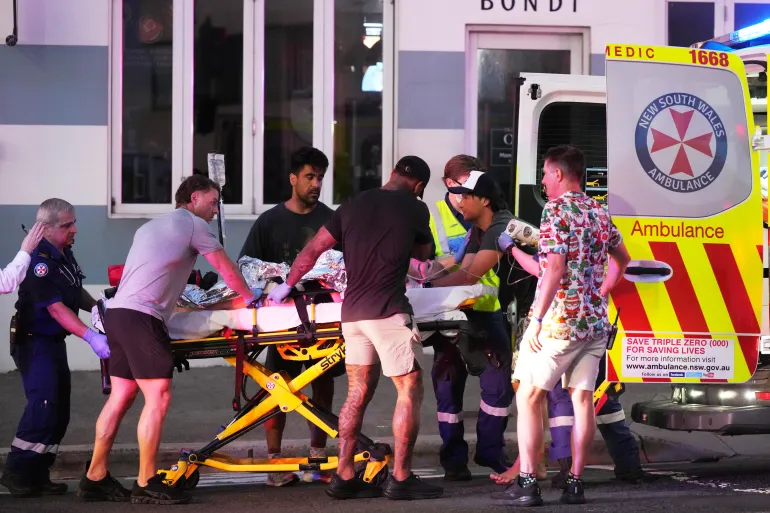
Australia�s political class is making moves � not to confront Islamist radicalization, intelligence failures, or the ideological drivers of antisemitic violence, but to reopen a gun debate many Australians believed had been settled nearly three decades ago.
Within hours of the Chanukah massacre at Sydney�s Bondi Beach, Prime Minister Anthony Albanese and state leaders promised an immediate overhaul of the country�s already-stringent gun laws. Limits on how many firearms a person can own. New reviews of gun licenses. Potentially barring non-citizens from legal ownership altogether. The message from Canberra is: the problem was the weapons.
But the facts emerging from the deadliest Australian shooting since 1996 point elsewhere.
The attack targeted a Jewish religious celebration. The prime minister himself called it antisemitic terrorism. One of the suspected gunmen � now in a coma � had previously been investigated by Australia�s domestic intelligence agency for ties to an Islamic State�linked cell. The Jewish community had spent the past year warning of a surge in antisemitic violence, radicalization, and threats that were becoming more explicit and more brazen.
Yet the government�s first instinct was not to explain why known extremist networks failed to trigger alarms, or why prior intelligence scrutiny ended with a clean bill of health. It was to tighten gun laws in a country that already has some of the toughest in the democratic world.
That instinct may be politically comfortable. It is also deeply evasive.
Australia�s 1996 National Firearms Agreement is often cited internationally as a model, and not without reason. Mass shootings declined. Gun ownership became highly regulated. But that framework was designed to address indiscriminate violence by lone actors, not ideologically driven terrorism aimed at specific communities. The Bondi Beach massacre did not occur because Australia lacks gun control. It occurred despite it.
The older suspect legally owned six firearms under an existing licensing regime. His son, an Australian-born citizen, was not licensed at all. Neither fact explains why a Jewish event was targeted, why antisemitic incitement has gone largely unchecked, or why extremist associations identified years earlier failed to raise red flags when it mattered.
Those questions are harder. They implicate intelligence judgment, political will, and a reluctance to name radical Islamist ideology as a present danger rather than a historical one. So they are largely being sidestepped.
The government has taken steps over the past year, including appointing an antisemitism envoy and funding additional security for Jewish institutions. But these measures have focused on fortifying targets rather than dismantling the networks and narratives that produce attackers. Protection after the fact is not prevention.
Australia is now at risk of repeating a mistake seen across much of the West: treating Islamist terrorism as a technical problem rather than an ideological one. Guns become the proxy. Laws become the headline. The underlying radicalization is left to metastasize.
(YWN World Headquarters – NYC)
 Join the official YWN WhatsApp status


One Response
Welcome to liberalism