A sweeping mobilization of U.S. naval and air forces is moving into position across the Middle East, raising the prospects of a direct military confrontation with Iran as officials and analysts note that multiple escalation �tripwires� are now in play.
While the White House is publicly calling the buildup a “deterrent,” the scale, speed, and coordination of the deployments � combined with evacuations, hardened bases, and diplomatic ultimatums � are fueling speculation that a kinetic operation could be imminent.
Current risk assessments from major geopolitical consultancies now place the likelihood of a U.S. or allied strike at roughly 65 to 70 percent in the coming weeks, according to people familiar with the analyses.
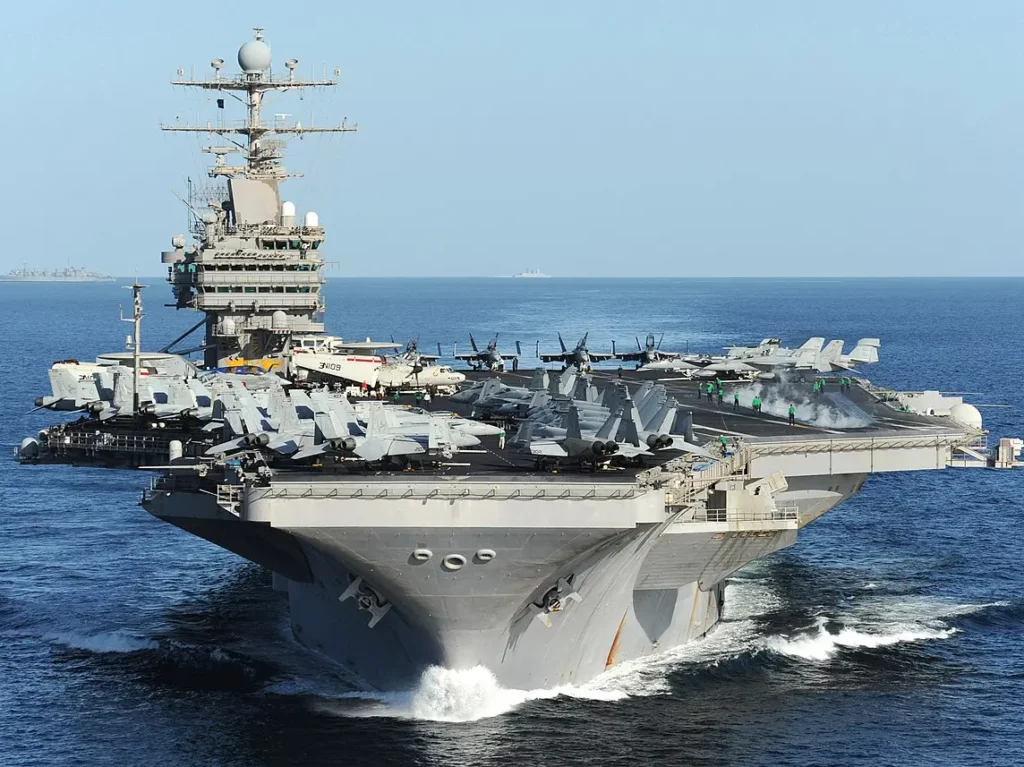
At the center of the buildup is the rapid redeployment of the USS Abraham Lincoln Carrier Strike Group, now transiting the Indian Ocean and moving into operational range of Iran.
The strike group includes three Arleigh Burke-class destroyers, platforms capable of launching hundreds of Tomahawk cruise missiles, giving U.S. commanders the ability to strike Iranian targets from standoff range within hours of an order.
President Donald Trump publicly confirmed the movement Thursday, using language that suggested both deterrence and readiness.
�We have a big force going toward Iran,� Trump said. �A massive fleet heading in that direction, and maybe we won�t have to use it.�
But U.S. and allied air forces are also quietly expanding their footprint.
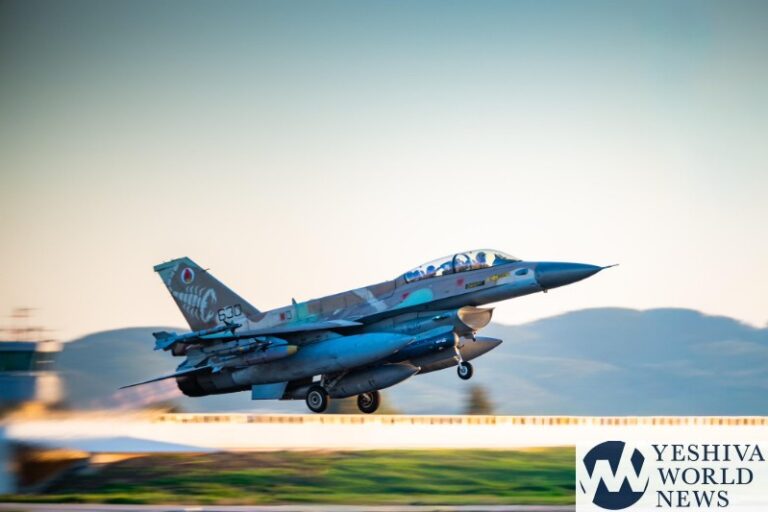
U.S. Air Force F-15E Strike Eagles have been positioned in Jordan, while the British Ministry of Defence confirmed the deployment of Royal Air Force Typhoon fighters to Qatar, describing the move as defensive.
Taken together, the assets provide Washington and its allies with layered strike options � from long-range missile attacks to manned airstrikes � and signal that operational planning is well advanced.
Behind the scenes, the U.S. and United Kingdom have also begun taking steps that typically precede high-risk military operations.
Reports say non-essential personnel have been evacuated from Al-Udeid Air Base in Qatar, one of the most important U.S. military hubs in the region. The move mirrors steps taken ahead of the �Midnight Hammer� strikes in June 2025, which targeted Iran’s nuclear infrastructure.
At the same time, the Pentagon has reportedly repositioned Patriot air-defense battalions to key Gulf installations in anticipation of Iranian retaliation.
Military planners widely expect that any U.S. or allied strike would prompt Iran to respond with ballistic and cruise missile attacks on U.S. bases and regional partners.
Complicating the military picture is a sharpened diplomatic ultimatum from the White House tied not to nuclear activity, but to Iran�s internal crackdown on protesters.
Trump has warned publicly that the mass execution of detained protesters would cross a U.S. red line and trigger a response that would make previous strikes �look like peanuts,� according to people familiar with internal discussions.
The administration has claimed that Iran recently halted the execution of roughly 800 prisoners, but Iranian officials have flatly denied the assertion, calling it �completely false.�
That gap in intelligence assessments has created what officials privately describe as a dangerous trigger point.
�If U.S. intelligence confirms that executions are continuing at scale, there is strong pressure for an immediate response,� said a person briefed on internal deliberations. �That�s one of the clearest tripwires right now.�
The private sector is also acting as if conflict is increasingly likely.
Major international carriers � including Air France, KLM, and Lufthansa � have suspended or restricted flights to Tel Aviv and Dubai, citing the need to avoid Iranian and Iraqi airspace.
Aviation risk analysts say the moves reflect concern about missile activity, GPS jamming, and the possibility of airspace closures in the event of a broader conflict.
In Tehran, Gen. Mohammad Pakpour, commander of the Islamic Revolutionary Guard Corps� ground forces, said Saturday that Iranian troops are �more ready than ever, finger on the trigger,� according to state media.
Senior Iranian officials have also warned that any violation of Iranian territory would lead to a �messy and ferocious� confrontation, targeting U.S. interests and bases across the region.
Iran�s posture suggests it is preparing for a wider conflict rather than a limited exchange.
Whether the US military deployments succeed in deterring Iran � or instead make conflict more likely � remains unclear. But with multiple tripwires now active, officials across the region are bracing for the possibility that the standoff could tip into open conflict with little warning.
(YWN World Headquarters – NYC)
 Join the official YWN WhatsApp status