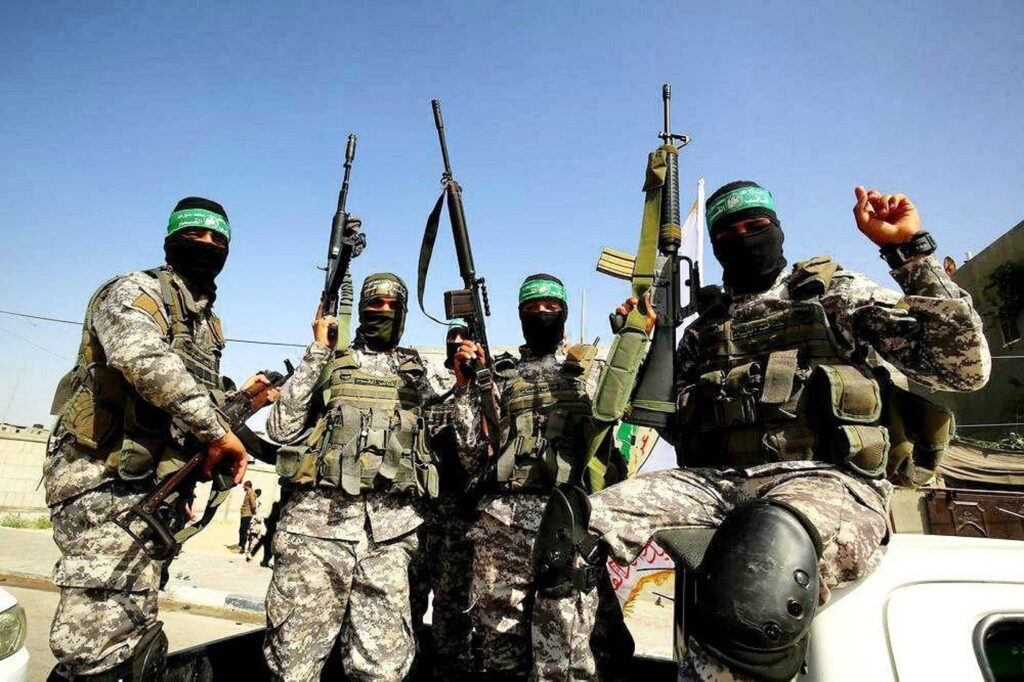
Hamas may be confronting a new and unexpected threat — not from Israeli airstrikes or diplomatic isolation, but from mounting financial collapse within its own ranks.
According to a series of local accounts, including social media posts and reporting by Israeli outlet Ynet, some Hamas members facing acute financial hardship have allegedly begun selling weapons or military equipment in order to provide for their families. If confirmed, the development would represent a striking sign of strain inside the organization, which has long projected an image of discipline, cohesion and ideological steadfastness.
The reports come against the backdrop of a reportedly unprecedented financial crisis for the terrorist group. Funding streams have reportedly shrunk dramatically amid tighter international oversight, disrupted money-transfer routes and the broader economic devastation caused by the prolonged war in Gaza. Sustained Israeli military pressure and mounting U.S. diplomatic efforts to dismantle Hamas’ military capabilities have compounded the squeeze.
“The situation in Gaza is very difficult. Hamas members are not receiving salaries regularly and sometimes not at all. This creates real hardship,” a source in Gaza told Ynet.
In a territory marked by widespread unemployment, food shortages and the collapse of civilian services, the failure to pay salaries has reportedly left some operatives scrambling for alternatives. In extreme cases, weapons or other military assets have allegedly been sold to fund basic household needs.
Still, the source cautioned that the phenomenon does not appear to be widespread or centrally organized. “There may be isolated personal initiatives by individuals, but this is not a common phenomenon. Overall, financial resources are very limited and the economic situation in Gaza is extremely difficult,” the source said.
At the same time, Gaza-based influencer Rami Aman wrote that groups affiliated with Hamas have recently begun confiscating weapons found in the hands of civilians. Aman also described instances in which private gun owners sold or surrendered their arms, with some weapons reportedly transferred through intermediaries and presented as belonging to Hamas. According to Aman, these moves may be linked to a broader U.S.-backed international initiative aimed at disarming the group and bringing the fighting in Gaza to an end.
Analysts familiar with developments in Gaza say the current crisis exposes a deeper structural vulnerability. For years, they argue, Hamas relied on what amounts to an “emergency economy” — external funding, donations and irregular cash infusions — rather than building sustainable civilian infrastructure. The group’s emphasis on military buildup and conflict management came at the expense of economic resilience.
Now, that model appears under severe stress.
Beyond personal hardship for individual operatives, the economic strain could carry operational consequences. Reduced funding may affect recruitment, training, maintenance of equipment and command-and-control functions. Financial desperation, analysts warn, could also increase susceptibility to intelligence penetration if monetary incentives become more attractive.
Perhaps most consequentially, the group’s image inside Gaza may be at risk. Hamas has long cultivated a narrative of endurance and defiance in the face of pressure. If economic distress continues to deepen — and if reports of weapons being sold for survival gain traction — that narrative could begin to fray, exposing vulnerabilities not just on the battlefield but within the movement’s own social base.
(YWN World Headquarters – NYC)
 Join the official YWN WhatsApp status