


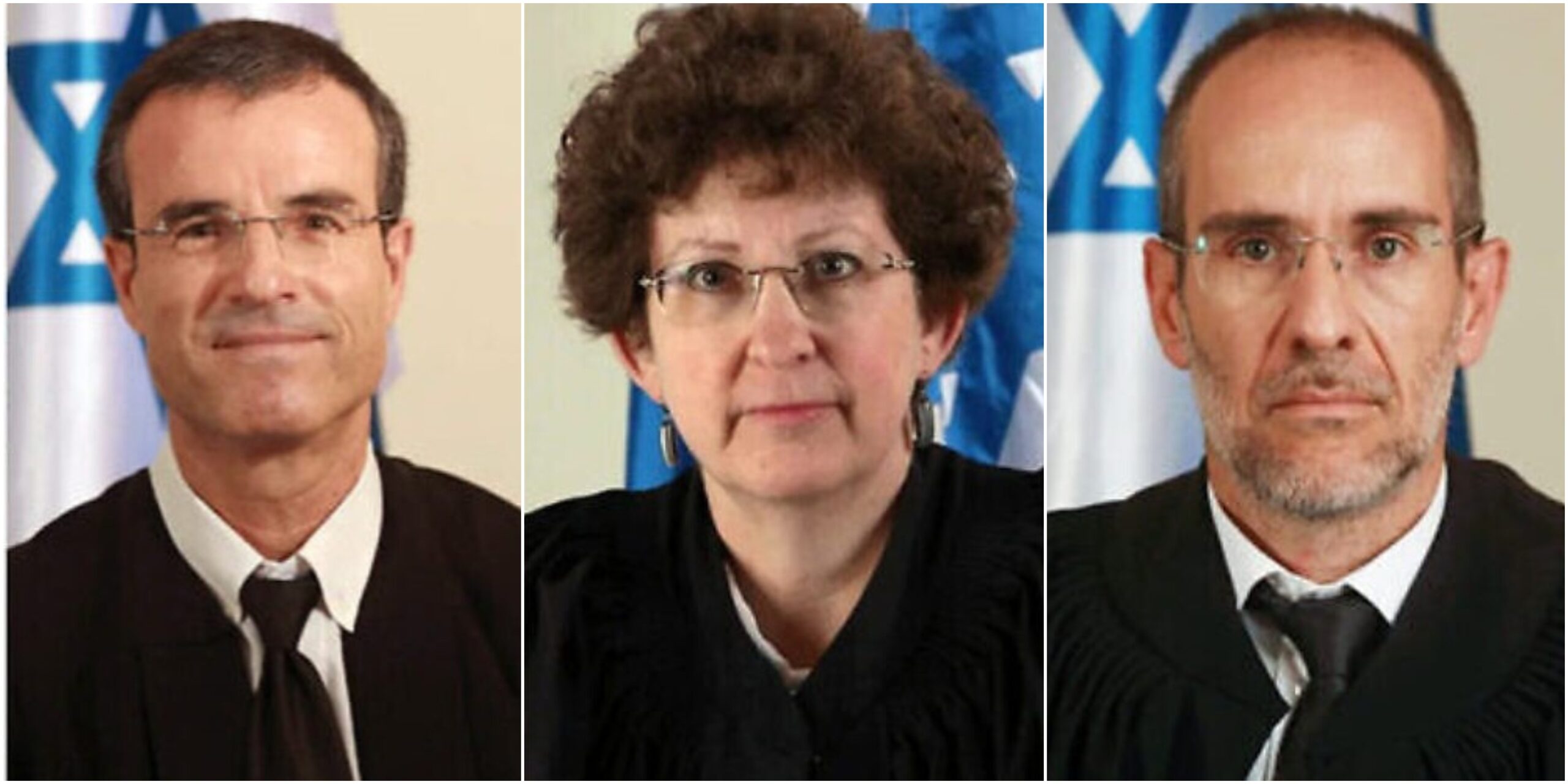
Attorney General Gali Baharav-Miara’s relentless quest to persecute Lomdei Torah was not satisfied with just stripping yeshivos of all government funding, and she has now issued a decision targeting even private funding to yeshivos by revoking tax benefits to donors who contribute to yeshivos and Torah mosdos at which draft-eligible students are enrolled.
In addition, Baharav-Miara is establishing a team to circumvent alternative funding channels to ensure that Torah institutions are barred from receiving even one penny that she deems “illegal.” The team will demand a list of all students and their personal details from any institution requesting donors’ tax benefits approval, and then cross-check the information against IDF databases, effectively turning the tax system into an enforcement mechanism against yeshivos and Torah institutions.
According to a document published by the Attorney General’s Office on Sunday, a meeting was held last week, headed by Baharav-Miara and attended by senior officials from the Tax Authority, the Corporations Authority, the Finance Ministry, and the Justice Ministry.
Baharav-Miara stated in the document that according to High Court rulings and legal opinions presented at the meeting, “it is not possible to indirectly fund” Torah institutions serving draft-eligible students who have not regularized their status by granting donors tax credits under Section 46 of the Income Tax Ordinance.
The practical implication is significant: donations to such institutions would no longer qualify donors for tax benefits, a move that may severely hinder the fundraising capabilities of yeshivos, kollelim, and Torah organizations.
According to the decision, the Tax Authority must publish a public notice by June 7, 2026, outlining the policy change. The notice will detail the new requirements for institutions, including affidavits, supporting documents, and identifying information about students as conditions for continued eligibility for the tax benefit.
Institutions seeking new Section 46 approval – or renewal of existing approval – will be required to declare whether they operate Torah-study programs or financially support Lomdei Torah. If so, they will be required to submit a signed and verified affidavit from the head of the institution confirming that students have regulated their status with the military authorities. Institutions will also be required to provide student details, including ID numbers.
The Tax Authority will then cross-check the information against IDF databases on draft-eligible individuals who have not regulated their status. The move effectively turns the tax system into an enforcement mechanism against Torah institutions, requiring them to submit lists of students and personal information in order to preserve tax benefits for donors.
Organizations that already possess Section 46 approval will not be exempt. According to the document, the Tax Authority will contact institutions holding existing approval and demand the required declarations and documentation no later than July 1, 2026.
Institutions that fail to submit the required materials – or fail to receive renewed approval from the Tax Authority – will lose eligibility for the tax benefit.
The document also outlines an additional layer of enforcement: the establishment of a special interagency team designed to “circumvent alternative funding channels.” The team will be headed by the Deputy Attorney General for Public-Constitutional Law and include representatives from the Tax Authority, the Budget Department, the Corporations Authority, and the Justice Ministry. Its role will be to formulate procedures preventing circumvention of the revocation of benefits, including cross-checking declarations against data held by the Education Ministry and the Corporations Authority.
In practical terms, Baharav Miara’s move goes far beyond the revocation of a tax benefit; it creates an extensive bureaucratic and legal system to monitor donations to the Torah world, demand information about students, and determine whether institutions comply with conditions imposed following the High Court rulings.
Head of Torah institutions warn that revoking Section 46 status could affect not only yeshiva administrations, but also donors, avreichim and their families, and the entire infrastructure supporting Limmud Torah.
(YWN Israel Desk-Jerusalem)









11 Responses
וְלַמַּלְשִׁינִים אַל תְּהִי תִקְוָה וְכָל הָרִשְׁעָה כְּרֶֽגַע תֹּאבֵד וְכָל אֹיְבֶֽיךָ מְהֵרָה יִכָּרֵֽתוּ וְהַזֵּדִים מְהֵרָה תְעַקֵּר וּתְשַׁבֵּר וּתְמַגֵּר וְתַכְנִֽיעַ בִּמְהֵרָה בְיָמֵֽינוּ: בָּרוּךְ שׁוֹבֵר אֹיְ֒בִים וּמַכְנִֽיעַ זֵדִים:
וְלַמַּלְשִׁינִים אַל תְּהִי תִקְוָה וְכָל הָרִשְׁעָה כְּרֶגַע תֺּאבֵד וְכָל־אֹיְ֒בֶֽיךָ מְהֵרָה יִכָּרֵֽתוּ, וְהַזֵּדִים מְהֵרָה תְעַקֵּר וּתְשַׁבֵּר וּתְמַגֵּר וּתְכַלֵם וְתַשְׁפִּילֵם וְתַכְנִיעֵם בִּמְהֵרָה בְיָמֵֽינוּ: בָּרוּךְ שׁוֹבֵר אֹיְ֒בִים וּמַכְנִֽיעַ זֵדִים:
Luckily mosques are unaffected
Chareidim should stop paying tax altogether!
The day will come when the Ribbono Shel Oilam will be גובע את שלו and will settle His score with these רשעים ארורים, the evil Leiberman, Lapid and of course this curse- Gali Baharav-Miara, along with the many others in Eretz Yisroel that have trampled on תורה ולומדיה and caused such unimaginable suffering to אחינו בני ישראל…
But for now we have to recognize this as a גזירה מן השמים and the only thing we yidden can do is what we do best and that is to be מחזק in all areas of עבודת השם. Not sure blocking traffic and fighting with the police and causing mayhem is what the Ribbono Shel Oilam really wants…
Plenty of room in gehenom…
So they will get money from Chutz Laaretz instead like the US, Canada, England etc
and for this some so called” frum” people marched “proudly” yesterday in Manhattan?
It’s all Divine oriented. First they lost the last tiny Merit they had of supporting yeshiva’s which even though it wasn’t that much and it was forced it was still considered something. Now they lost that and use all their focus to persecute them, the cards are stacking up against them and it won’t be long before they fall hard and permanently
This is a major contribution to the peace process. If the Arabs now realize that they can offer an Arab-dominated bi-national state (probably involving merger with some neighboring countries, as per the agreements we reached after World War I, that the Brits blocked) by agreeing to give the Hareidi more status than the Zionists are offering – we might have deal. We get to learn Torah and Mitsvos, they get to run the government, and the secular zionists will be up a creek without a paddle. Neturei Karta ends up with the last laugh.
Akuperma’s comment is one of the most ridiculous I have read on this website and that’s saying something.