
A new report cited by Britain’s Sunday Times claims that more than 16,500 people were killed during Iran’s recent wave of suppressed demonstrations, a figure that would far exceed all prior public estimates and mark the bloodiest crackdown since the 1979 revolution.
The report, published Sunday, said the toll was compiled by a clandestine network of Iranian doctors who gathered casualty data from hospitals and emergency departments across the country. According to the doctors, most of those killed were under the age of 30, and at least 330,000 people were injured. Children and pregnant women were among the dead, the report said.
While the report did not specify exact dates, previous accounts indicate that the deadliest period occurred over a two-day span beginning Friday, Jan. 9, shortly after Iranian authorities cut off internet access nationwide. The killings reportedly continued into Saturday.
The figures were assembled using reports from staff at eight major eye hospitals and 16 emergency departments. Doctors were able to communicate using banned Starlink satellite internet terminals, tens of thousands of which have reportedly been smuggled into Iran to bypass government censorship.
In some cases, the report said, patients died after security forces refused to allow life-saving blood transfusions. Hospital staff in several facilities reportedly donated blood themselves in an effort to save the wounded.
“This is a whole new level of brutality,” Prof. Amir Parasta, an Iranian-German eye surgeon who helped coordinate the doctors’ network, told the newspaper. “This time they are using military-grade weapons, and what we are seeing are gunshot and shrapnel wounds in the head, neck and chest.”
Parasta said the numbers were likely conservative, as many injured protesters avoided hospitals out of fear of arrest. Previous videos and reports have shown security forces detaining patients with gunshot wounds directly from medical facilities.
Iran has since returned to an uneasy calm following the repression of protests that began on Dec. 28 over the country’s worsening economy and quickly escalated into calls for the clerical regime’s removal.
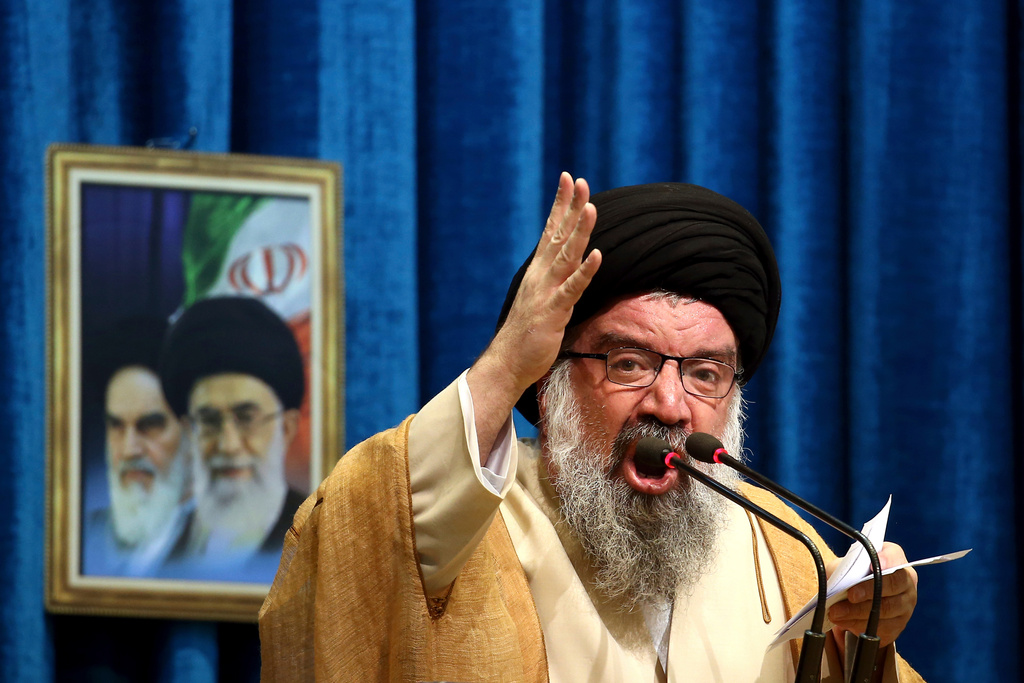
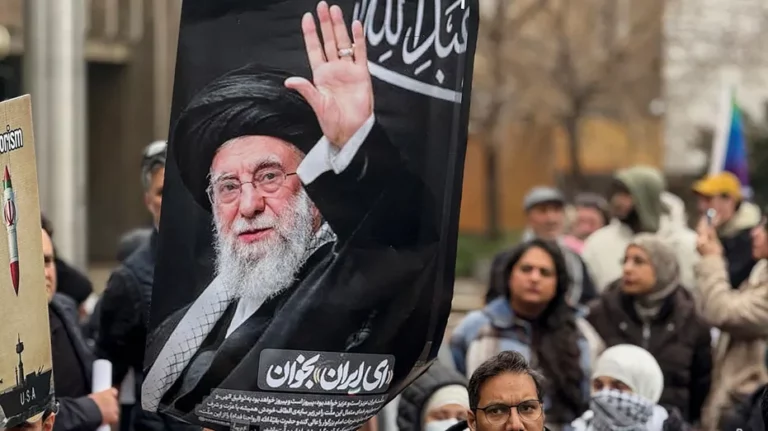
In a speech broadcast on state television marking a religious holiday, Iran’s Supreme Leader Ayatollah Ali Khamenei acknowledged Saturday that “several thousand” people had been killed — the first public admission by an Iranian leader of the scale of the casualties.
An Iranian official speaking to Reuters said authorities had verified at least 5,000 deaths, including about 500 members of the security forces. The official blamed “terrorists and armed rioters” for killing civilians and said the heaviest clashes occurred in Kurdish areas of northwest Iran. The official added that the final toll was not expected to rise significantly and accused Israel and armed groups abroad of backing the unrest.
Independent rights groups have reported significantly lower figures. The U.S.-based Human Rights Activists News Agency said Friday that at least 3,090 people had been killed, including at least 163 individuals linked to the government.
The doctors’ network also reported an unusually high number of eye injuries, saying security forces used shotguns firing pellets at protesters. The report estimated that between 700 and 1,000 people had already lost one or both eyes, though the true number could reach several thousand.
In Tehran, the Noor Clinic alone treated roughly 7,000 eye injuries, according to the report. A source familiar with the clinic said that on one night doctors were forced to remove eyes from about 800 patients due to pellet wounds. Based on conversations with doctors in other cities, the source said more than 8,000 people nationwide may have been blinded.
“I’ve spoken to dozens of doctors on the ground, and they are really shocked and crying,” Parasta said. “These are surgeons who have seen war.”
Eyewitness accounts cited by the Sunday Times described security forces, including the Islamic Revolutionary Guard Corps and its allied Basij militia, patrolling streets on motorcycles and pickup trucks, firing on crowds. Some witnesses reported snipers shooting from rooftops.
“Snipers on rooftops were shooting people in the back of the head,” one escapee said. Another described large trucks transporting stacks of bodies to morgues, with families searching for missing relatives.
The scale of the reported casualties would dwarf those from previous crackdowns, including unrest in 2009 and 2022, and recall the violence surrounding the 1979 revolution.
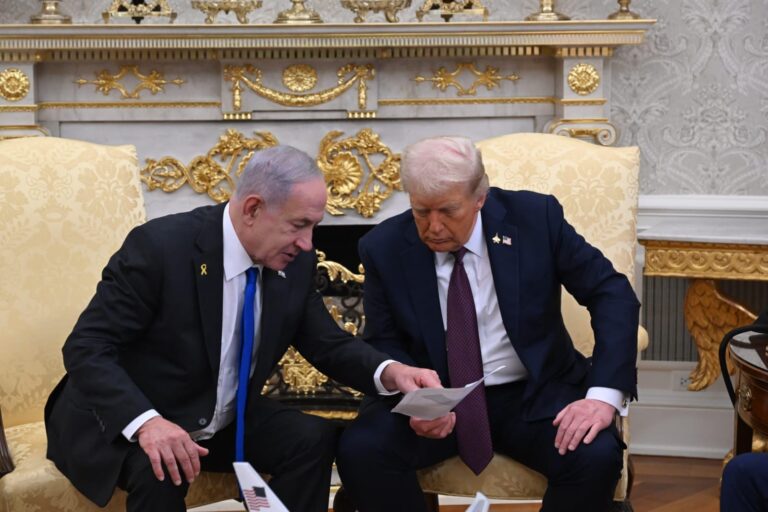
Iranian authorities have repeatedly accused the United States of fomenting what they describe as “riots” and “terrorist” activity. U.S. President Donald Trump has publicly condemned the crackdown and threatened action over the killings. Speaking to Politico on Saturday, Trump appeared to call for an end to Khamenei’s rule, saying, “It’s time to look for new leadership in Iran.”
(YWN World Headquarters – NYC)
 Join the official YWN WhatsApp status





3 Responses
Condemn Israel at the UN at once. Where is it GutterRat? Is the merciless Iranian bloodbath less important that the Palestinians? I guess it’s not Jews so he doesn’t care. What a disgraceful hypocrit.
Umm who encouraged them to take to the streets and promised to have their backs???
Don gets trumped by Qatari moose lamb oil mafia boss marching orders