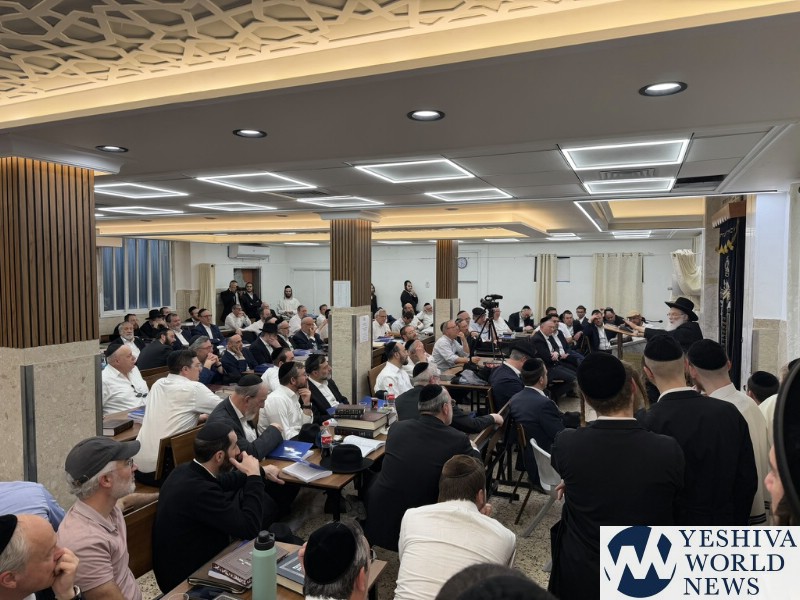
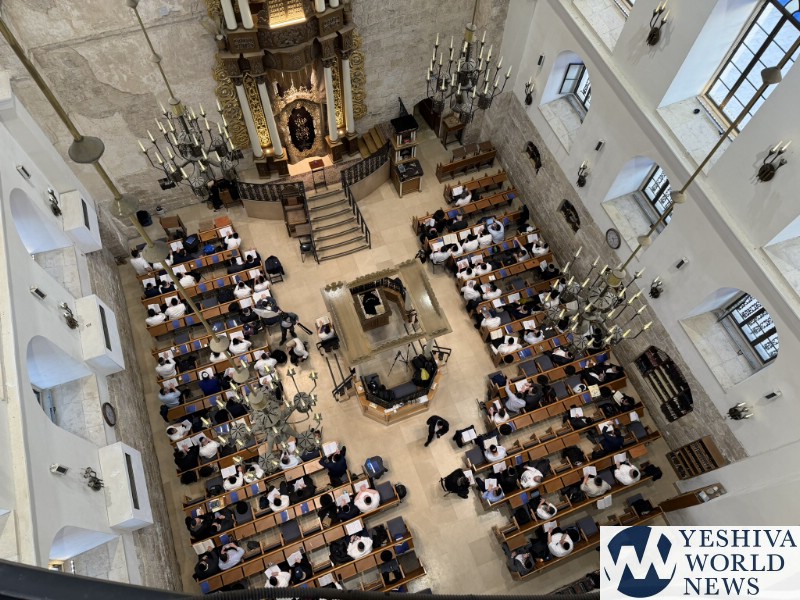
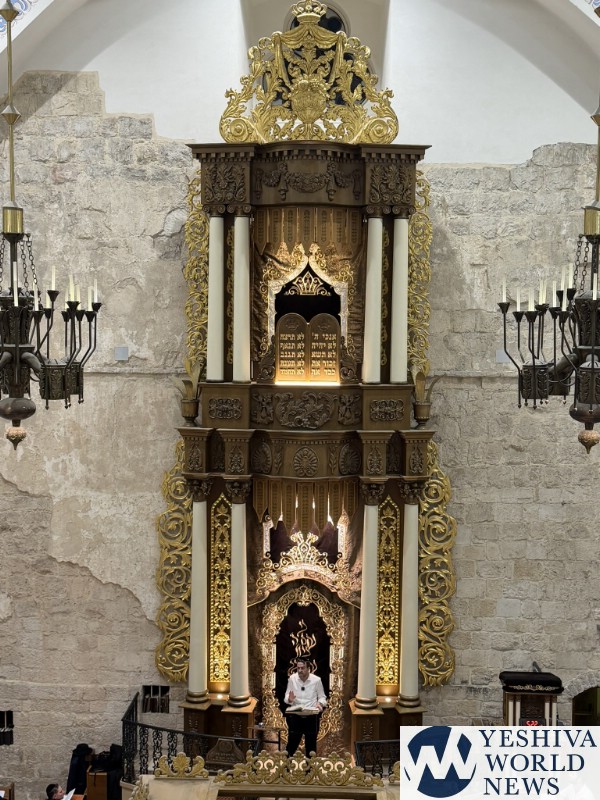
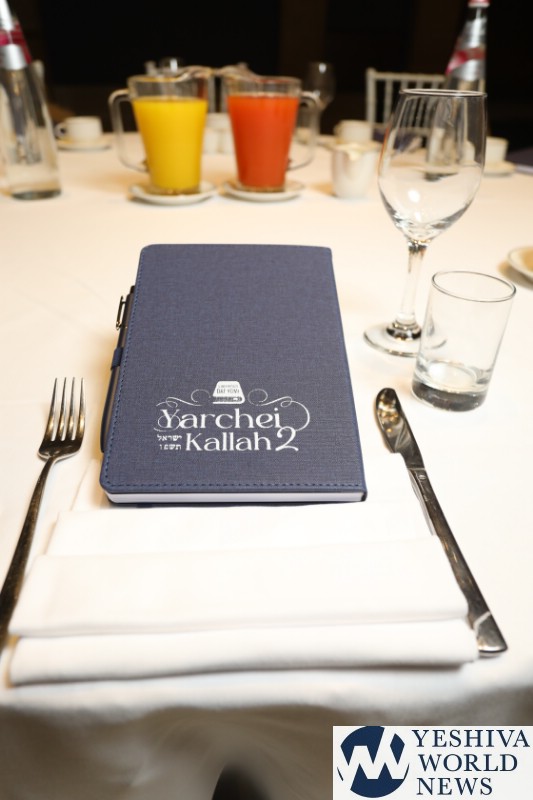
There were pictures all week — learning in the Churva, a siyum overlooking Har HaBayis, singing by the Kineret, groups moving together through Shilo, Har Gerizim, and Meron. But the photos only hinted at the real story. Behind every image was something deeper: nearly two hundred participants — representing tens of thousands who learn with Lakewood Daf Yomi around the world — joining a Yarchei Kallah that felt less like a trip and more like a living expression of what a serious, energy-infused shiur can build over time.
Lakewood Daf Yomi today is known for front-row-seat clarity and high-caliber delivery — the kind of shiur that gives access to Torah on a level usually found only in elite Batei Midrashim, yet remains fully accessible to all. It weaves together lomdus, halacha l’maaseh, machshava, hashkafa, general yedios, and the famed “Rest of the Story” related to the sugya. The caliber is such that many Rabbanim — and even prominent maggidei shiur — regularly use Reb Sruly Bornstein’s daf as part of their own preparation, drawing from the clarity and structure with which each sugya is presented.
Recently, the Chumash Shiur added another dimension — uncovering the depth of peshuto shel mikra and bringing each pasuk to life with context, clarity, and meaning. Together, the Daf and Chumash Shiur quietly have become much more than a schedule. For many, they are the framework of the day, a sense of connection, and the center of a real chaburah.
The Yarchei Kallah brought representatives of that worldwide chaburah together in Eretz Yisroel.
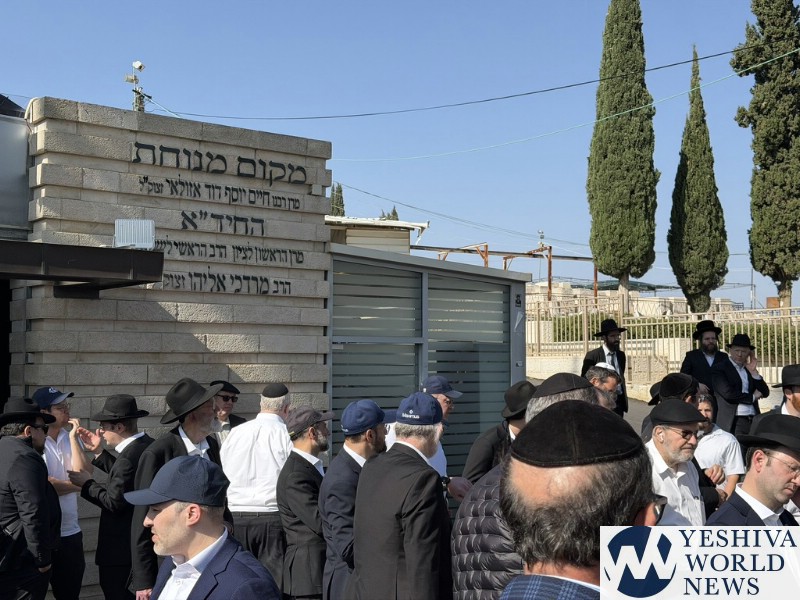
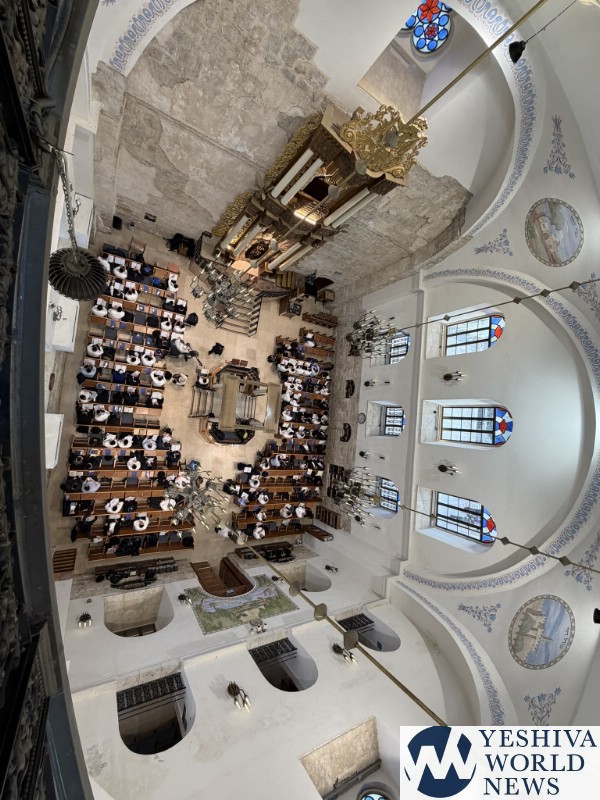
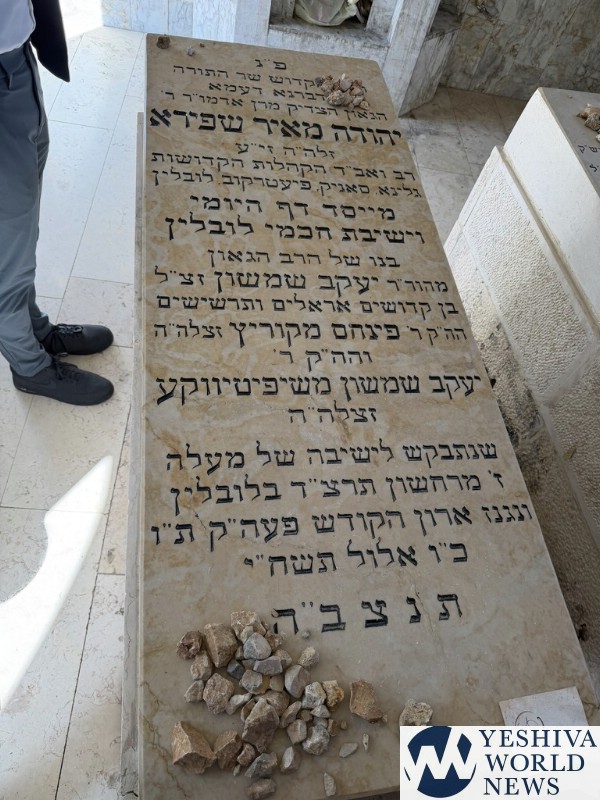
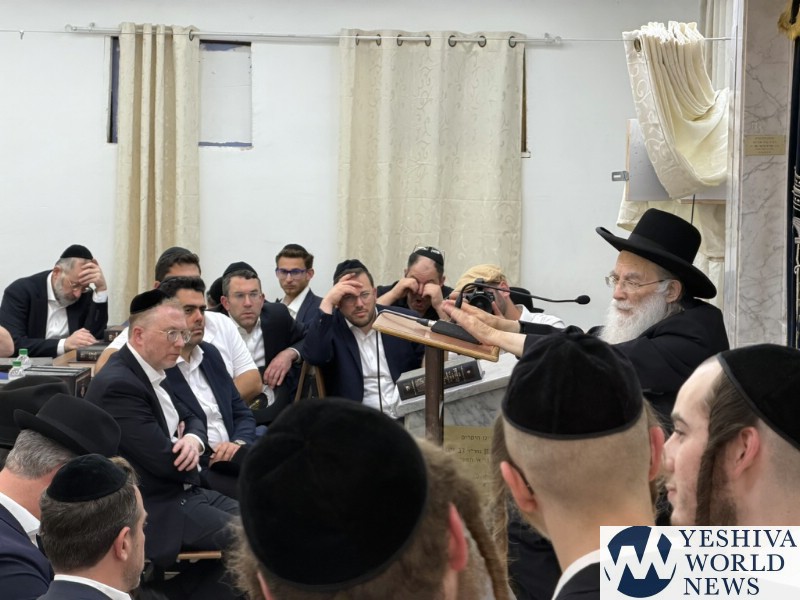
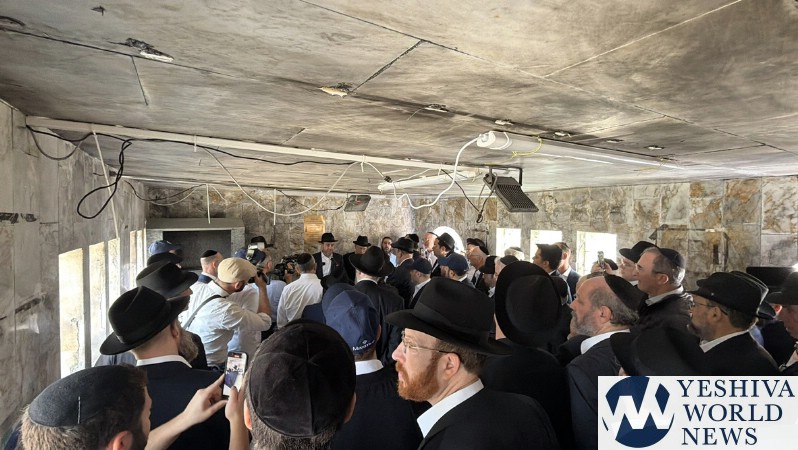
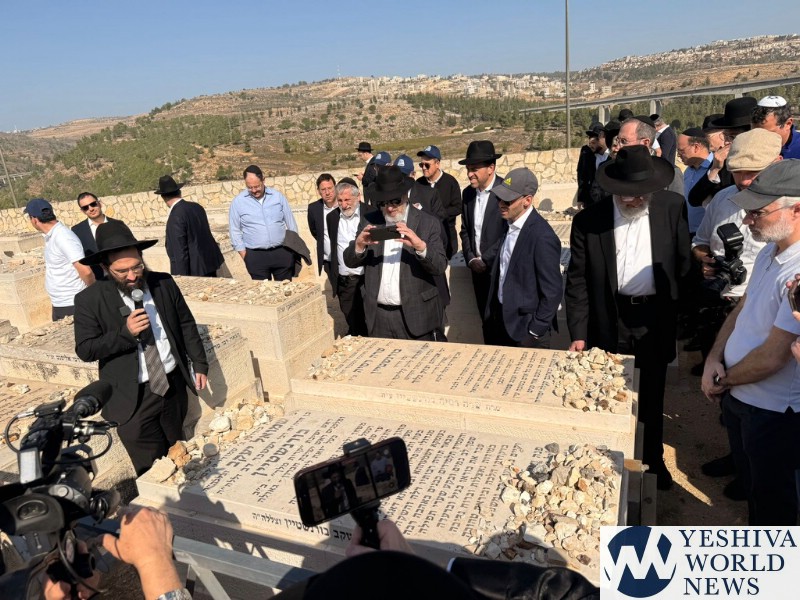
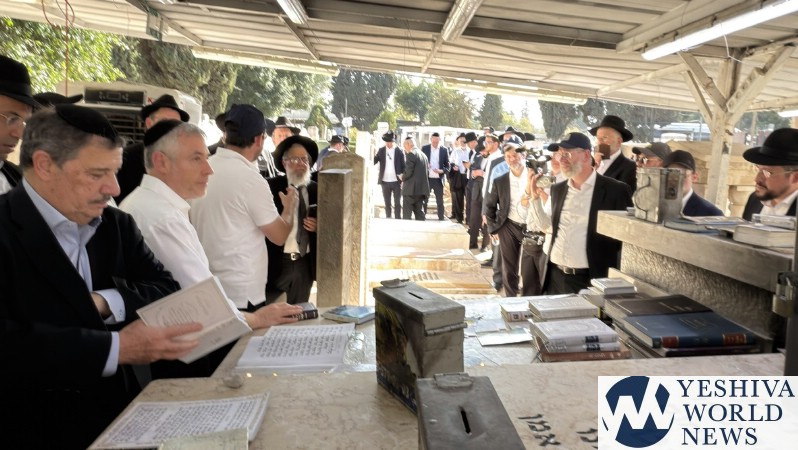
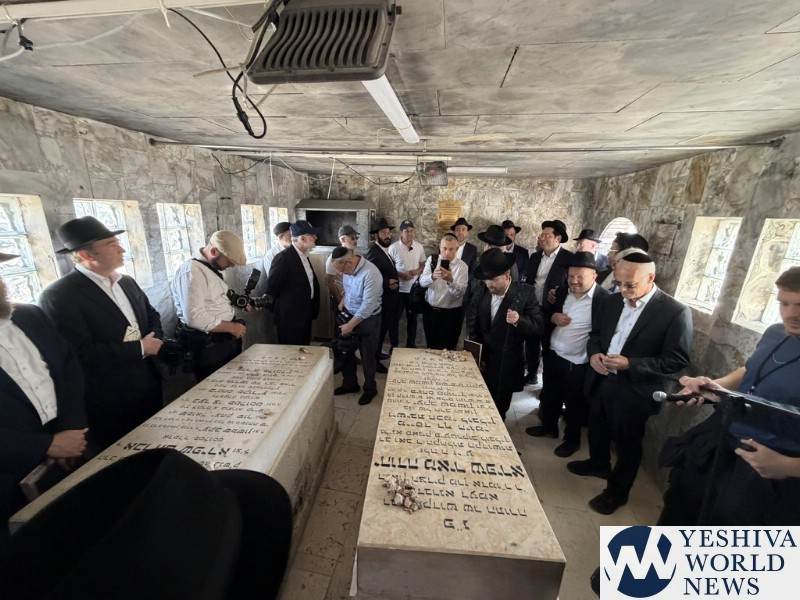
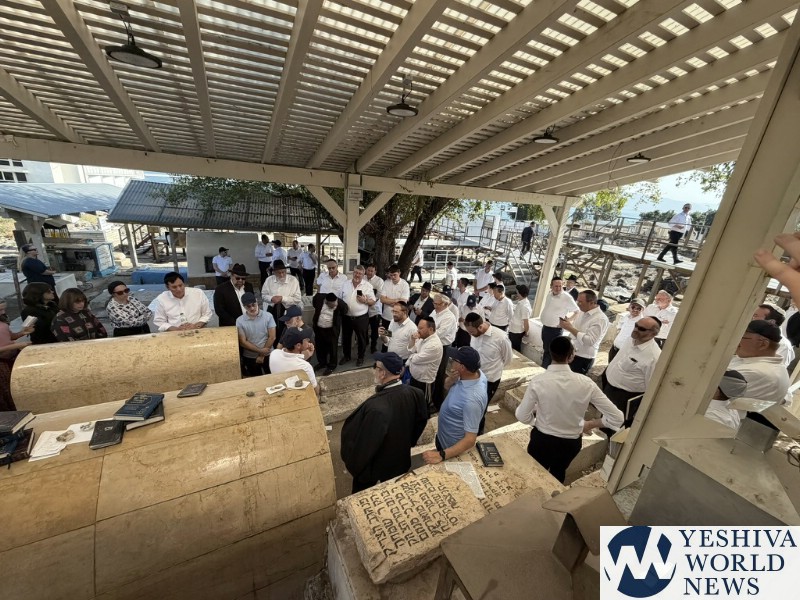
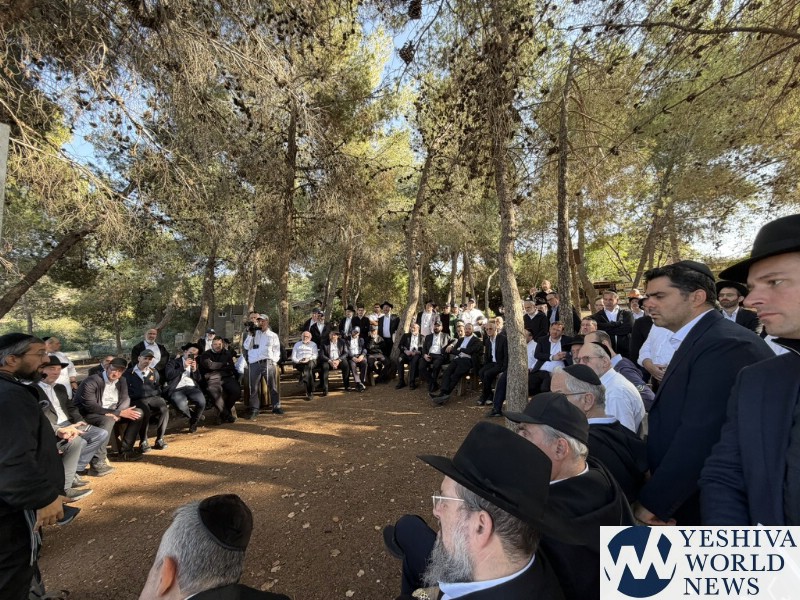
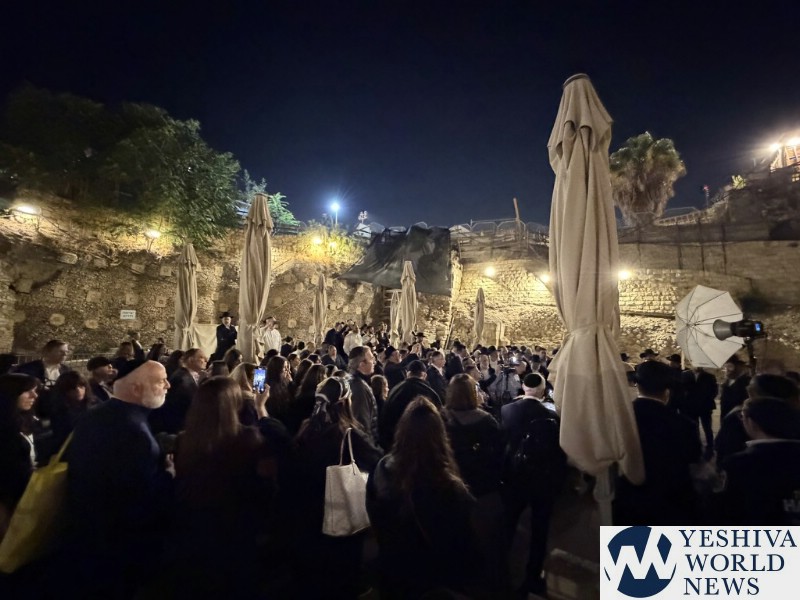
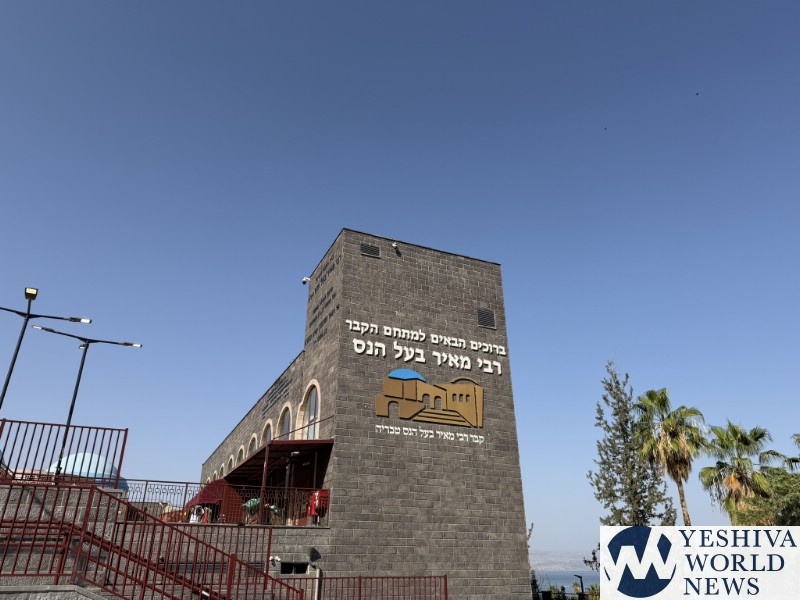
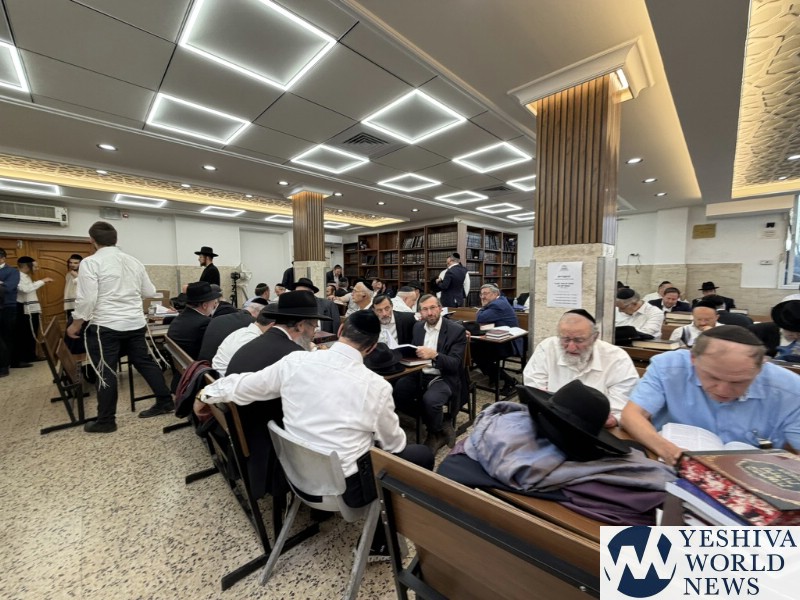
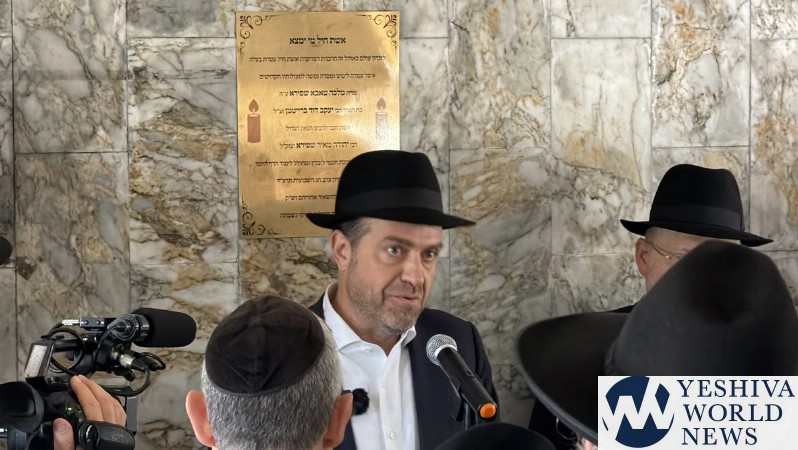
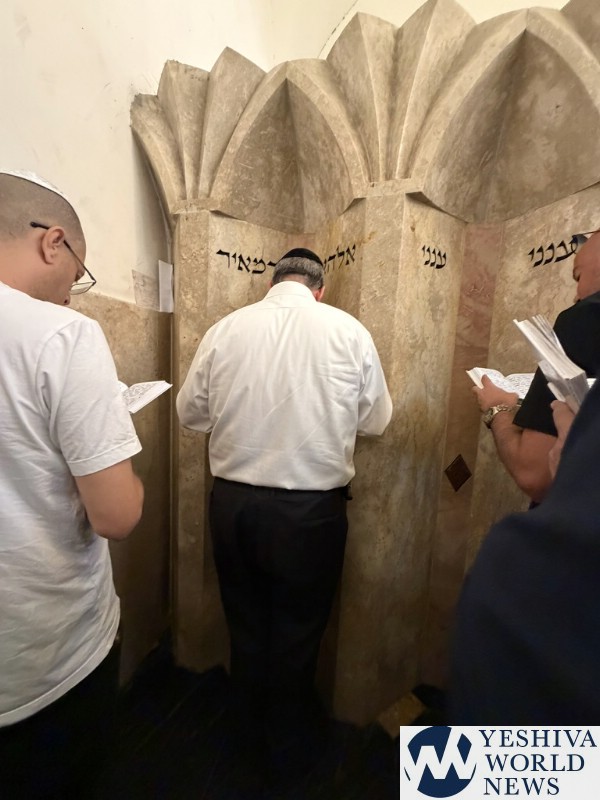
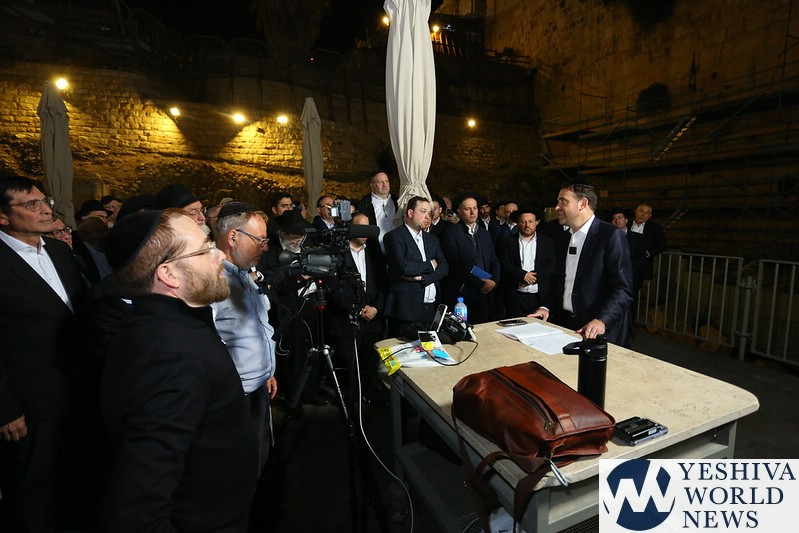
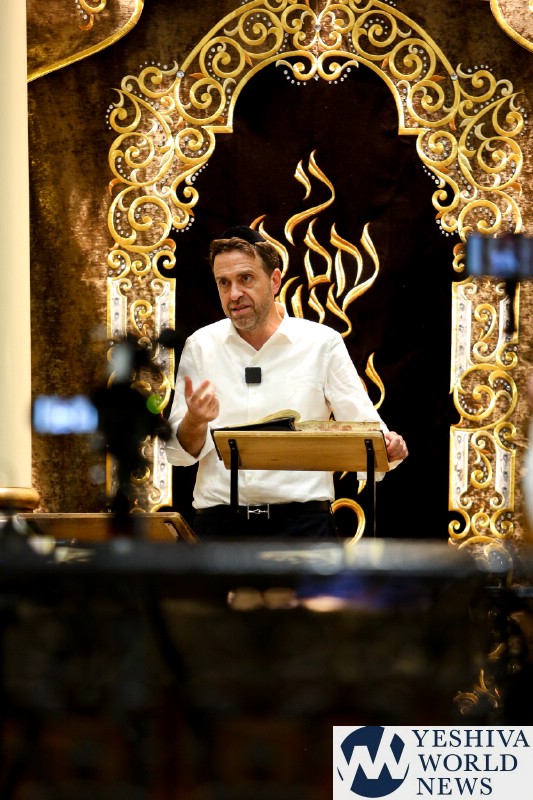
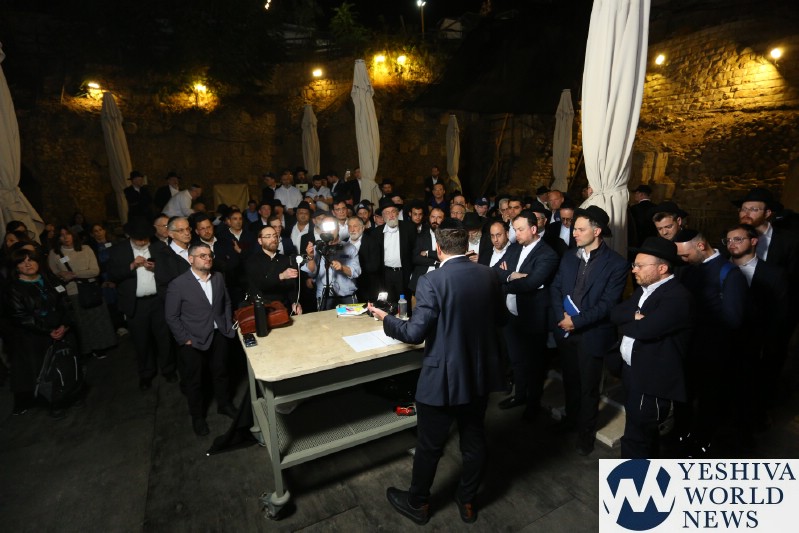
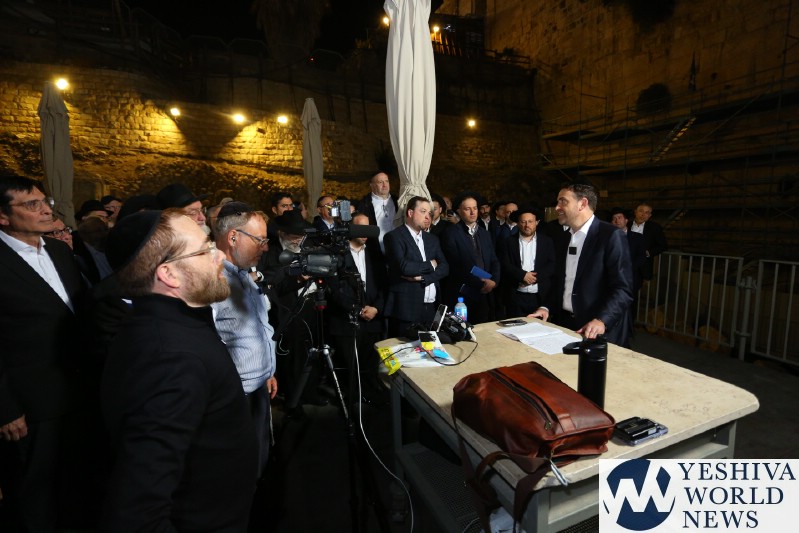
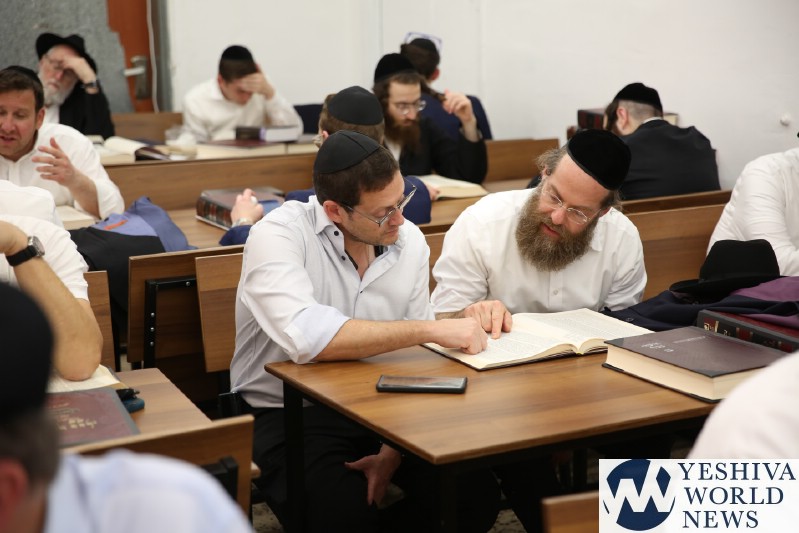
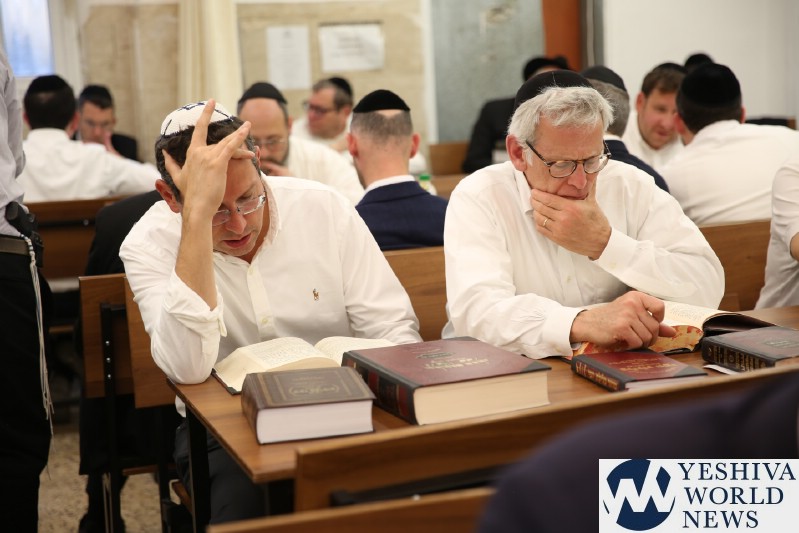
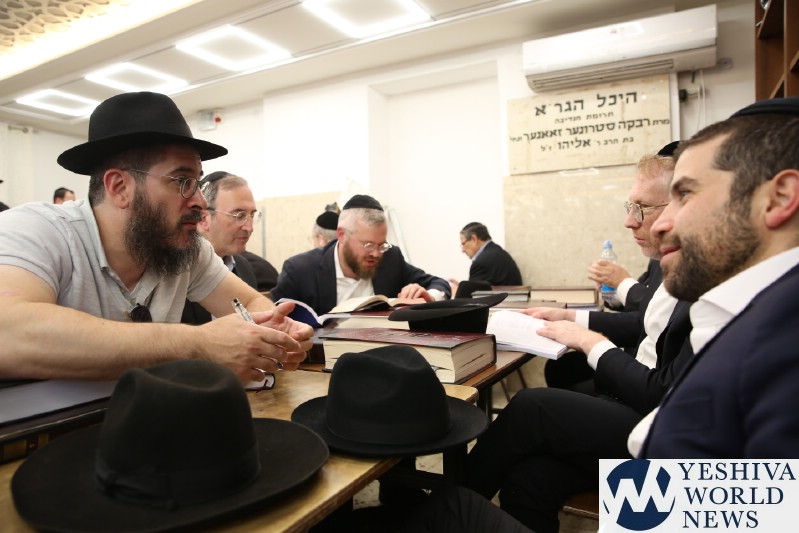
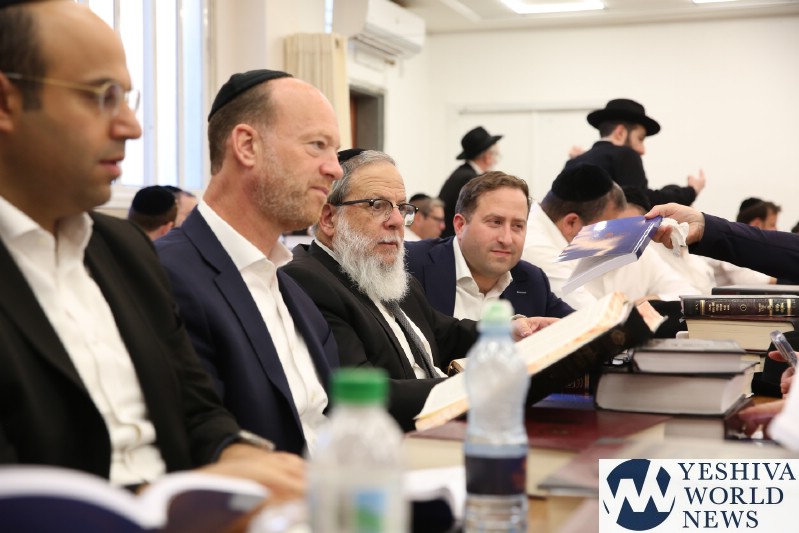
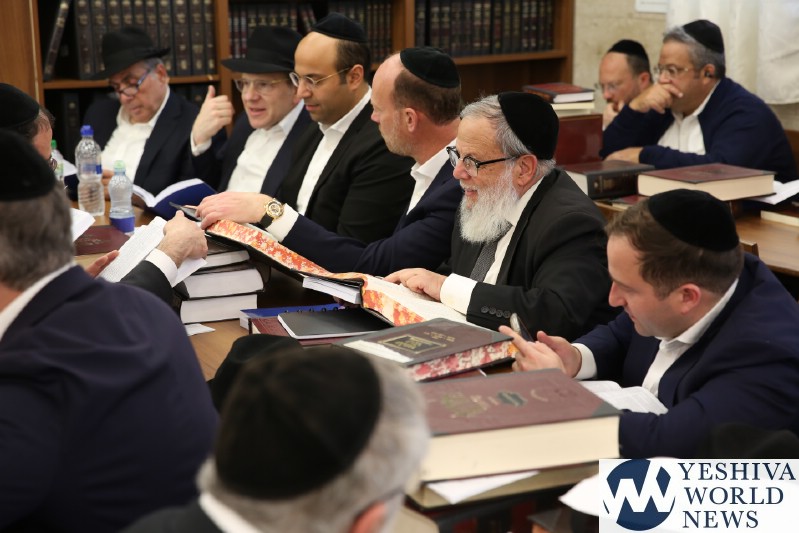
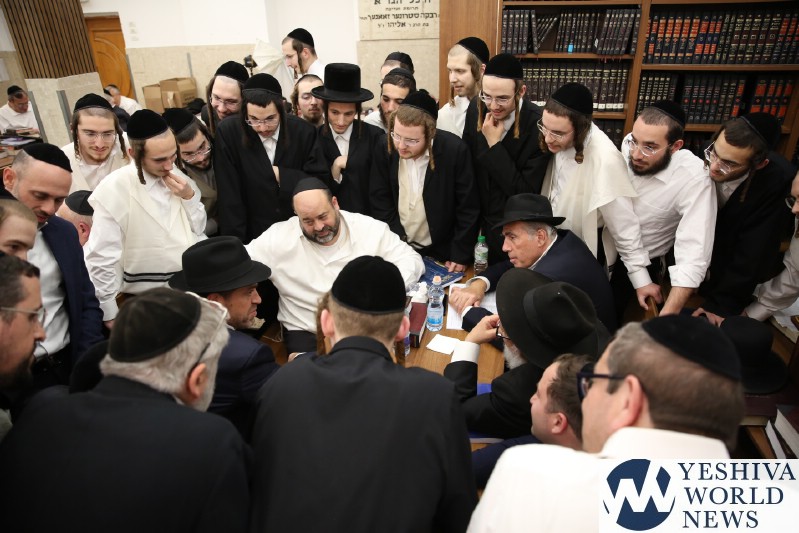
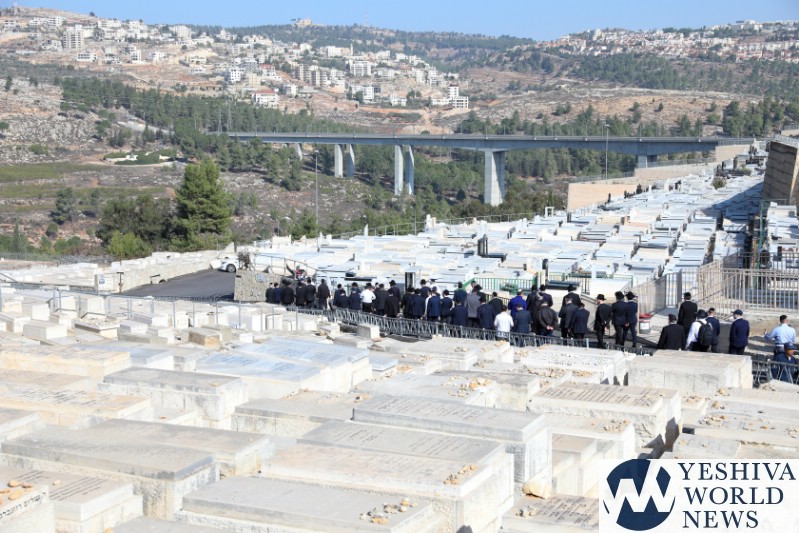
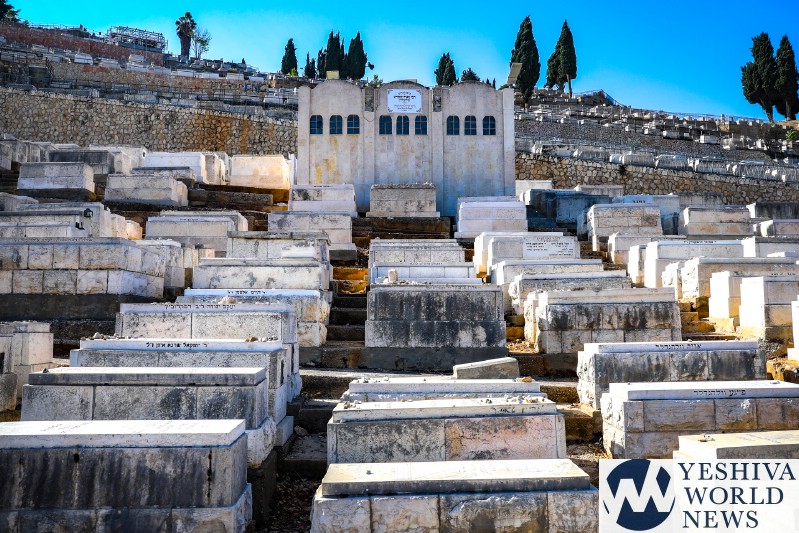
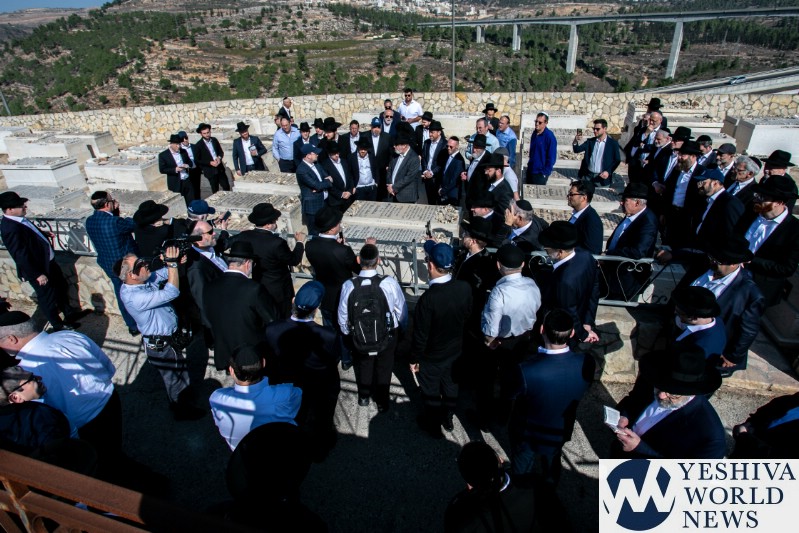
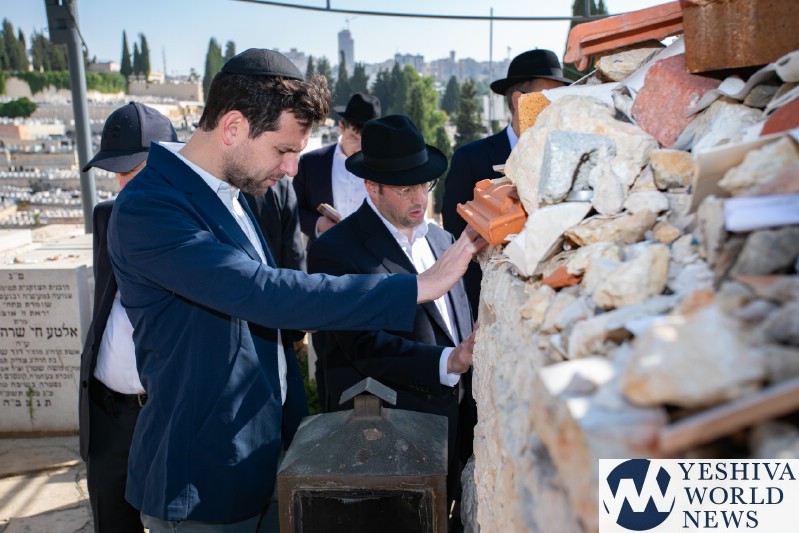
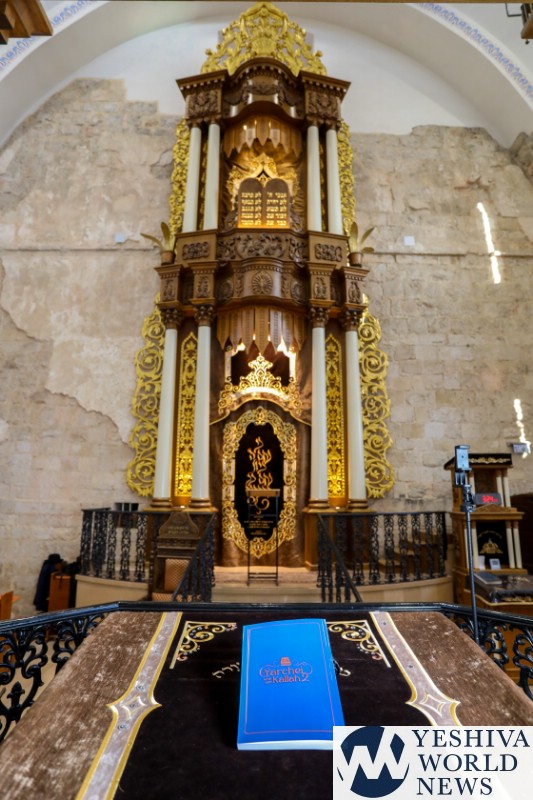
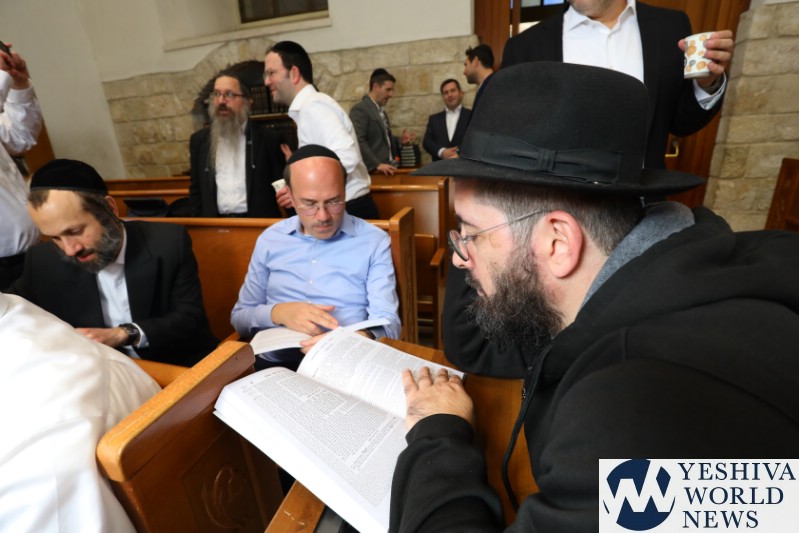
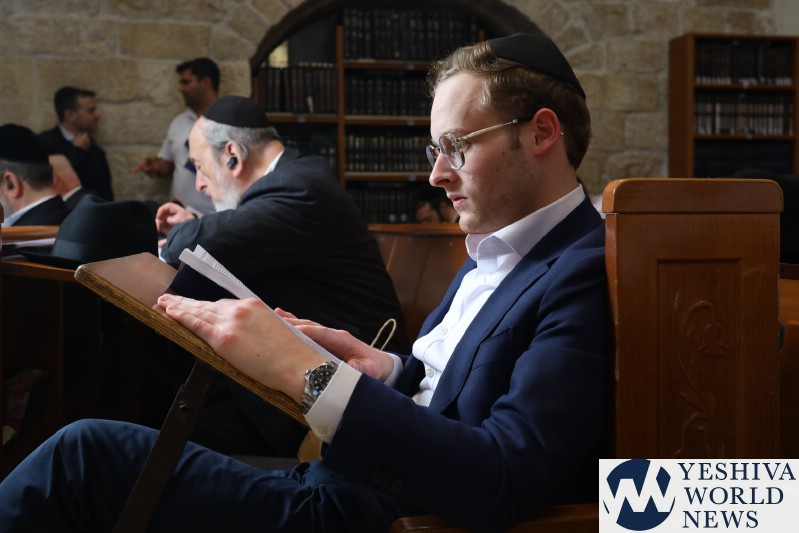
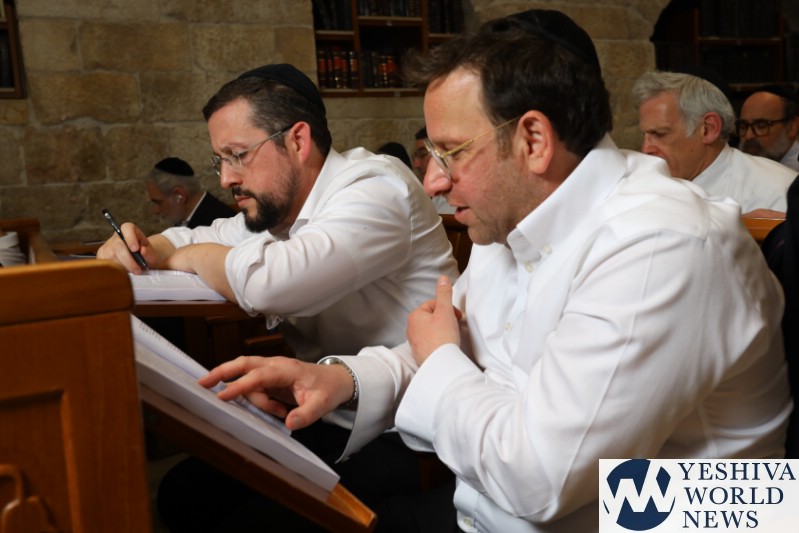
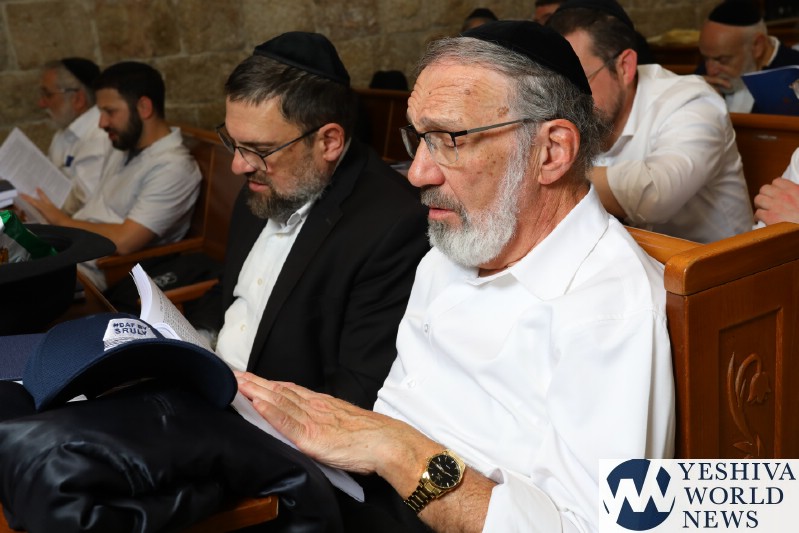
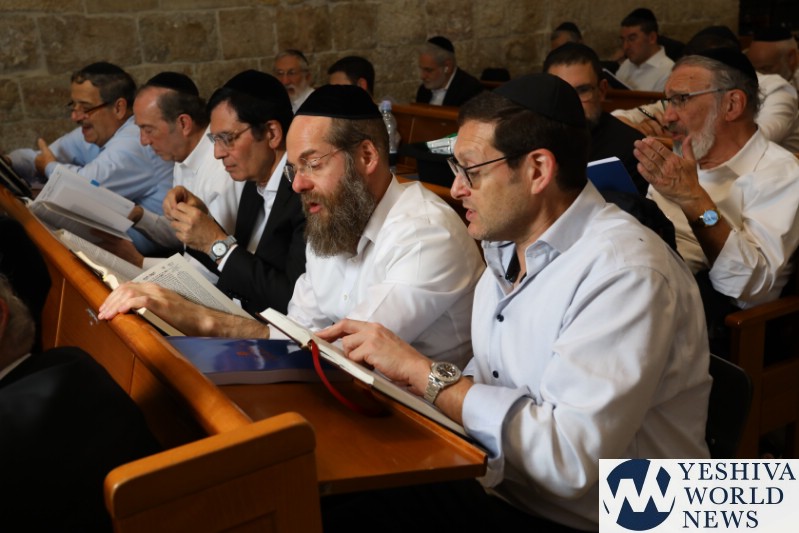
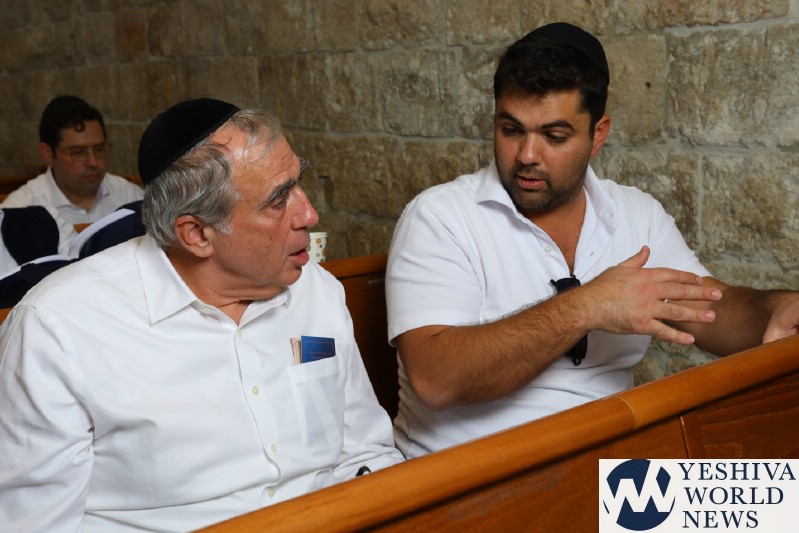
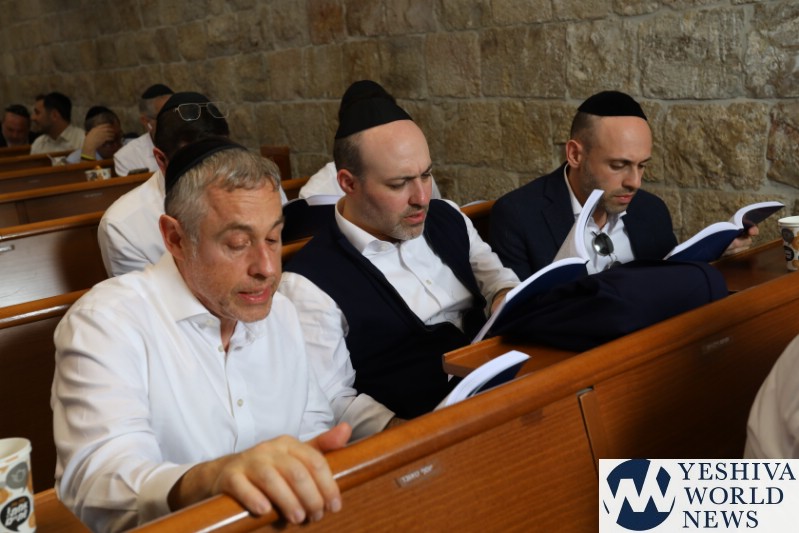
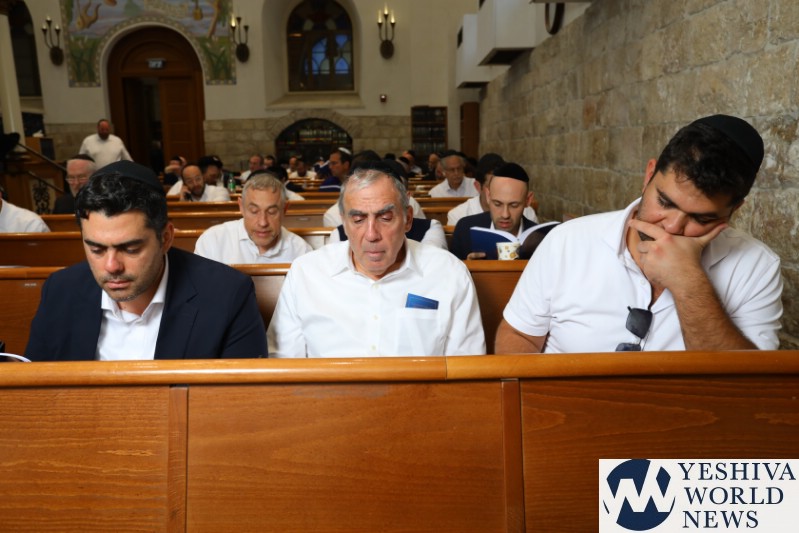
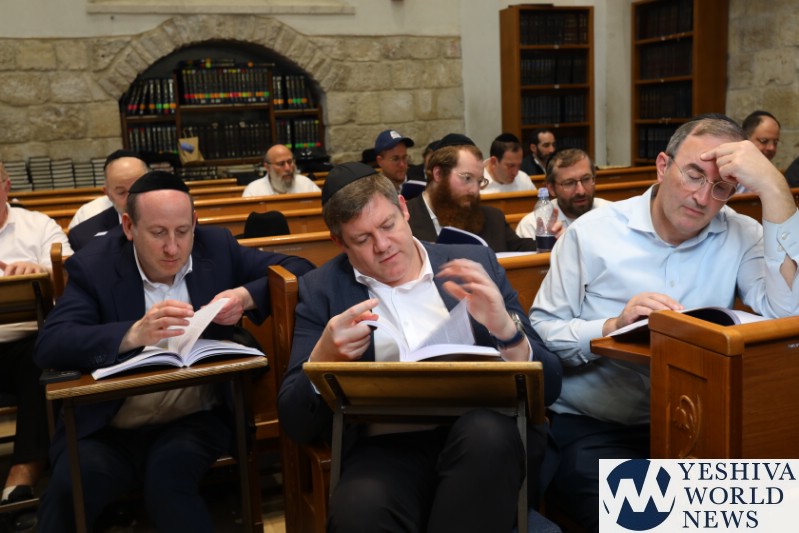
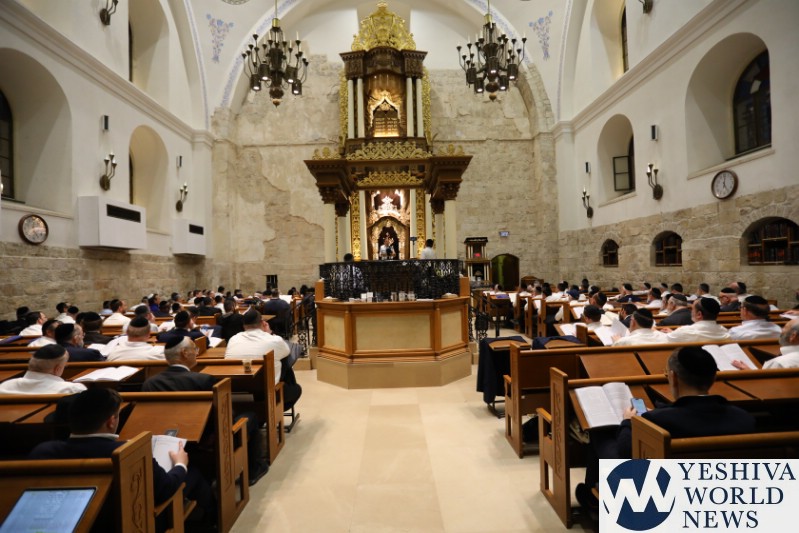
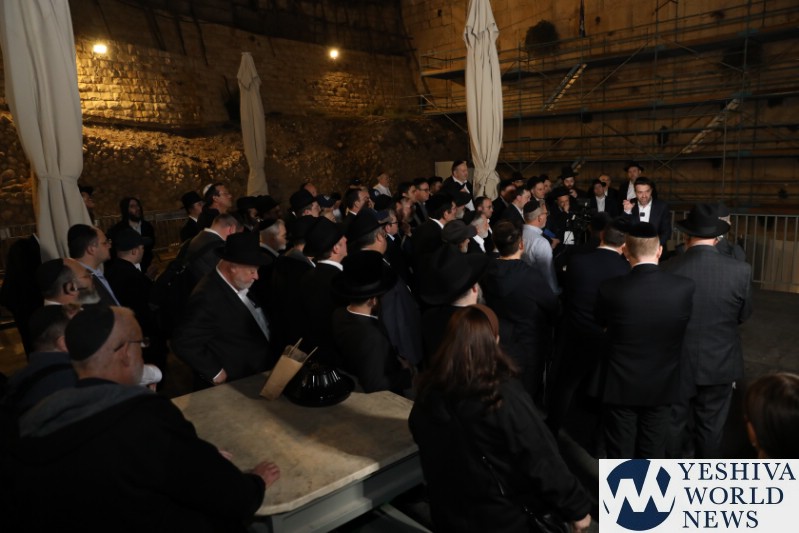
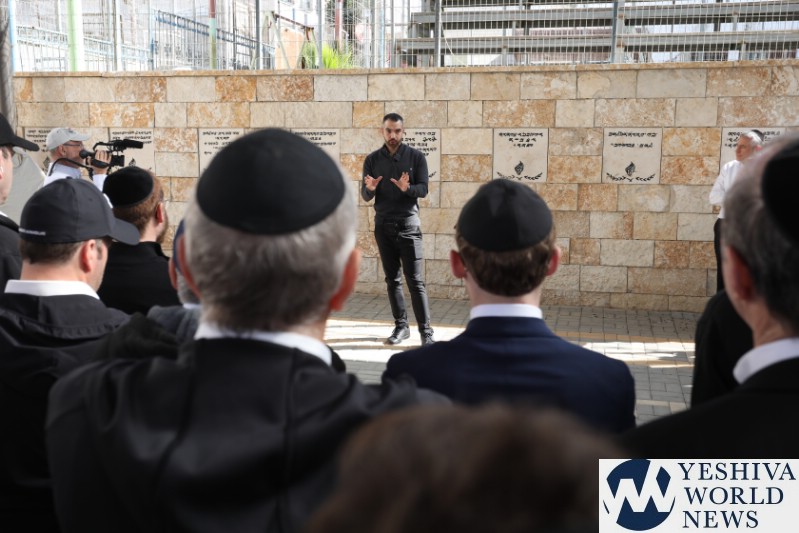
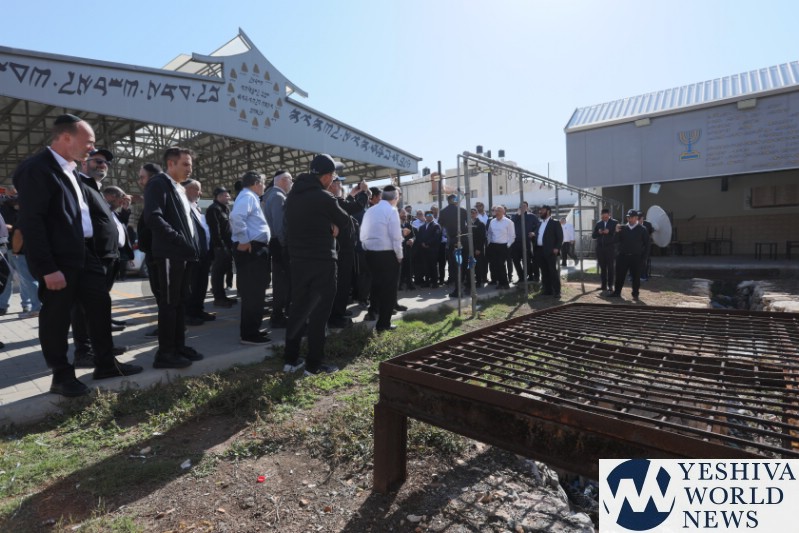
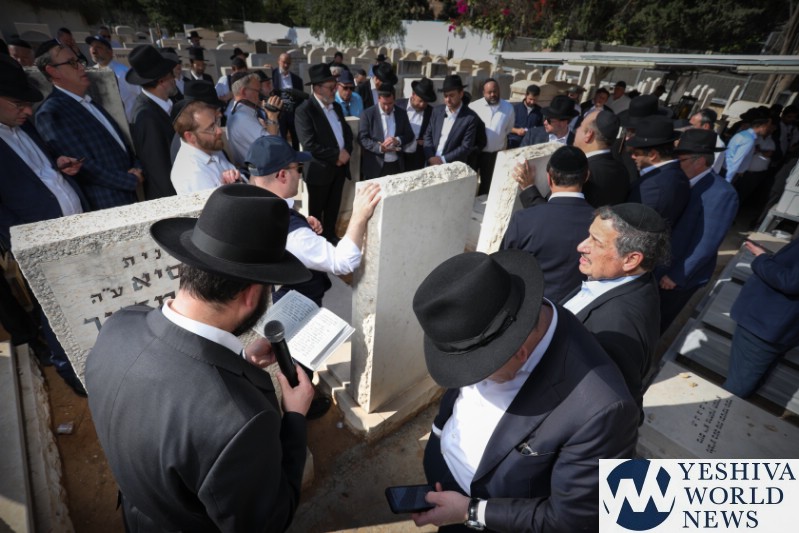
The week opened at the kever of Reb Meir Shapiro, connecting the entire journey back to the roots of Daf Yomi itself. From there, the chaburah gathered in the Churva, learning Seder together in a beis knesses rebuilt on layers of Jewish history. Afterward, they moved to the excavations near the Kosel for a reid bite that drew a direct line between the sugya in front of them and the stones beneath their feet.
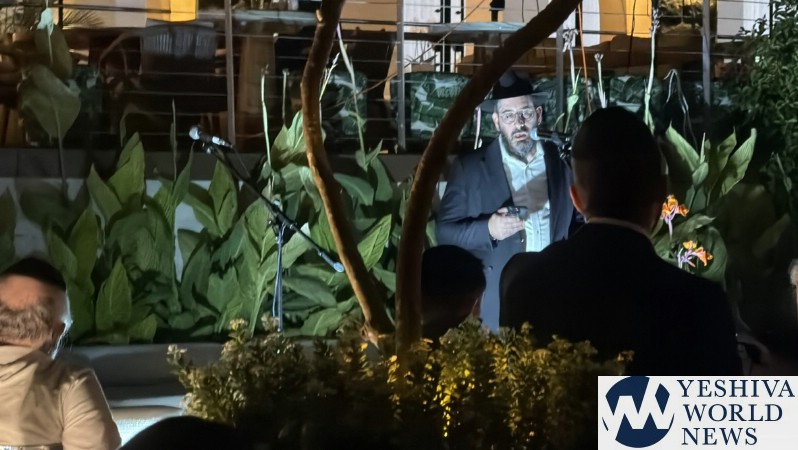
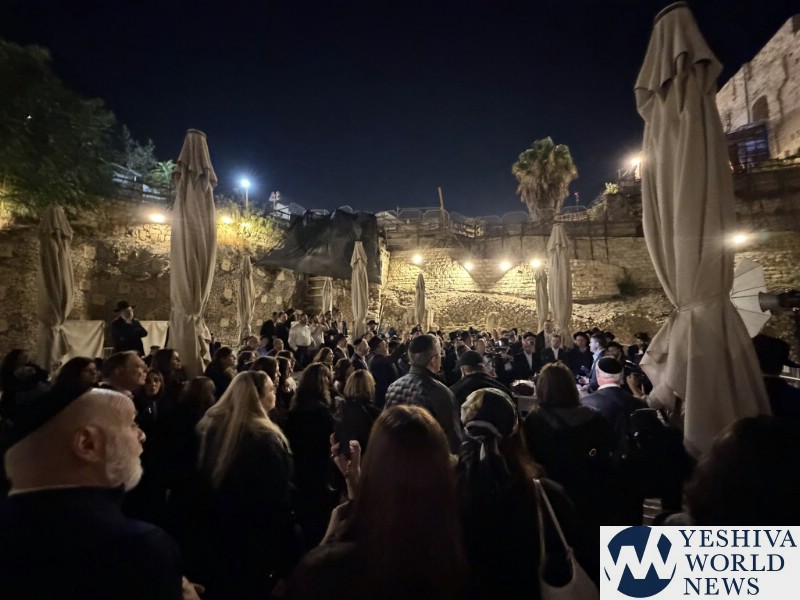
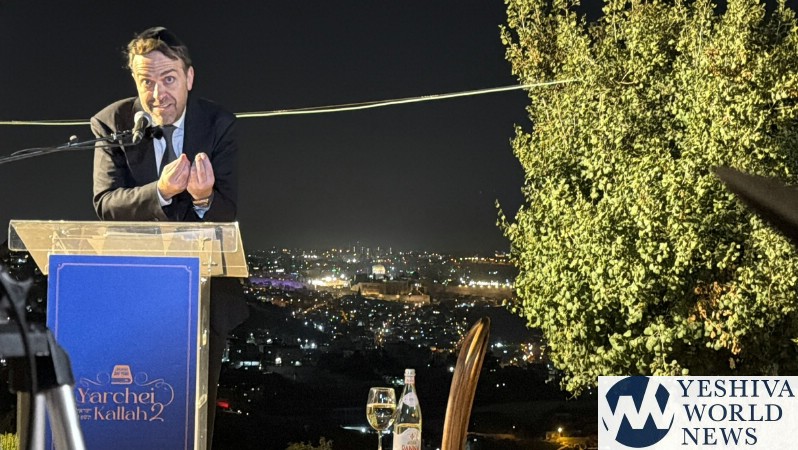
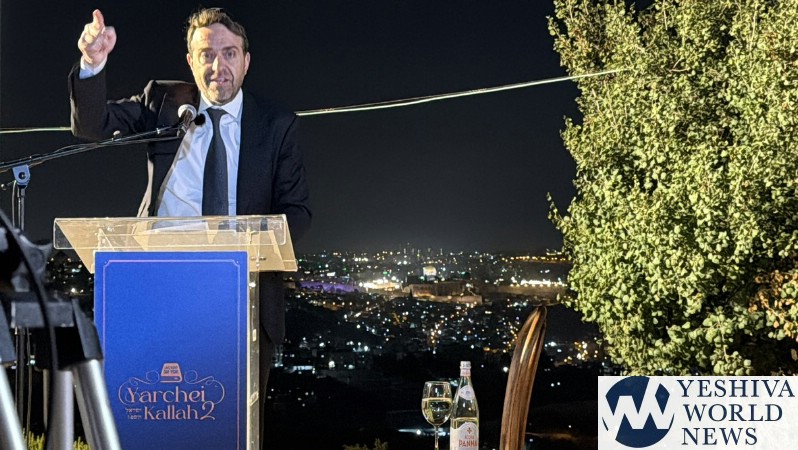
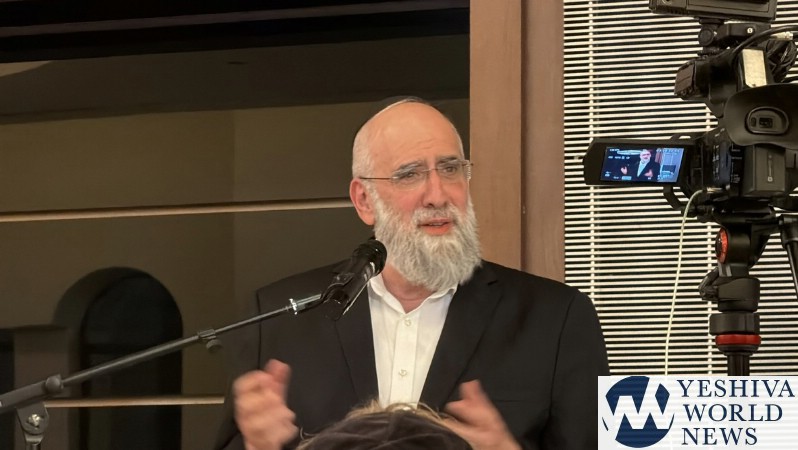
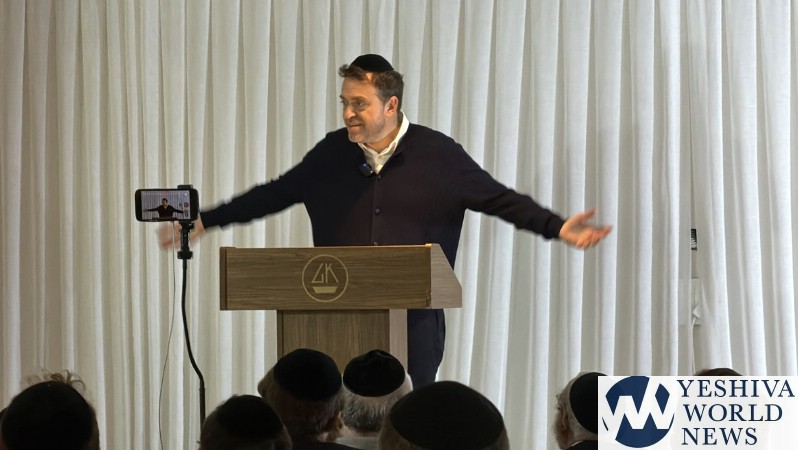
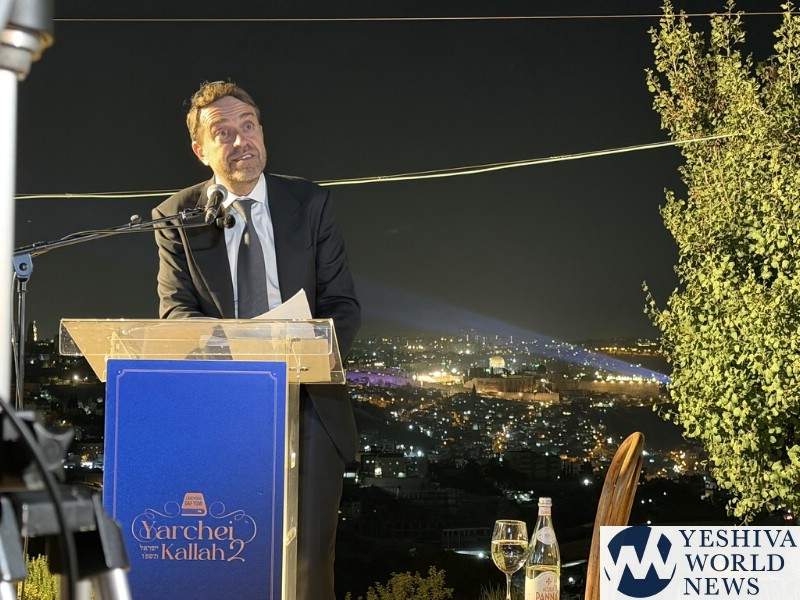
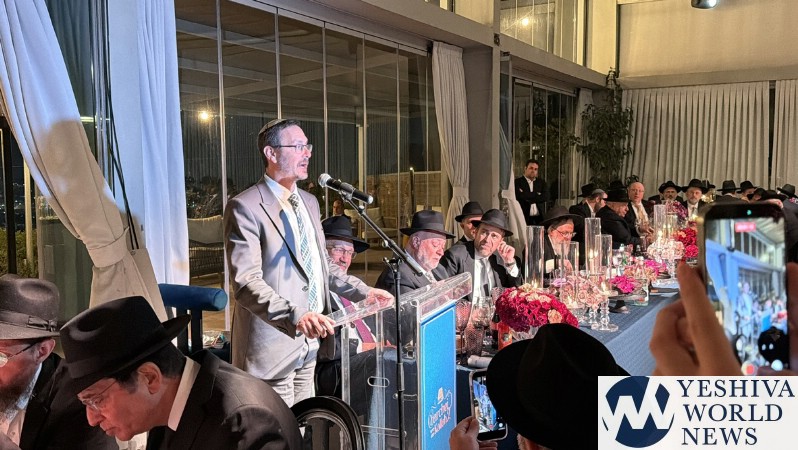
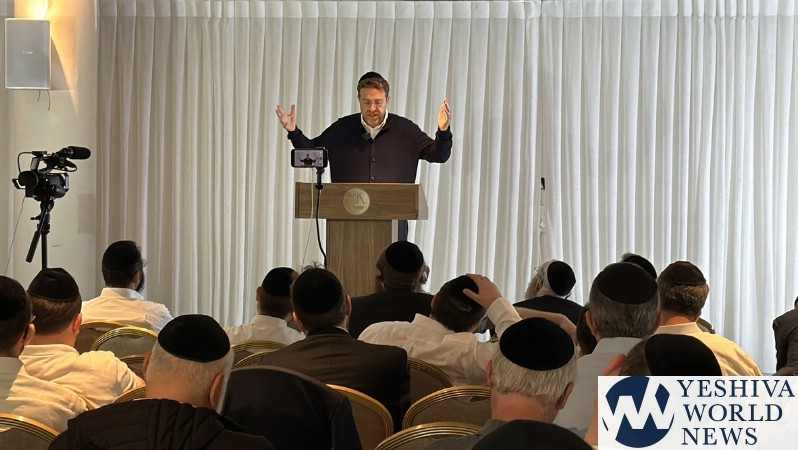
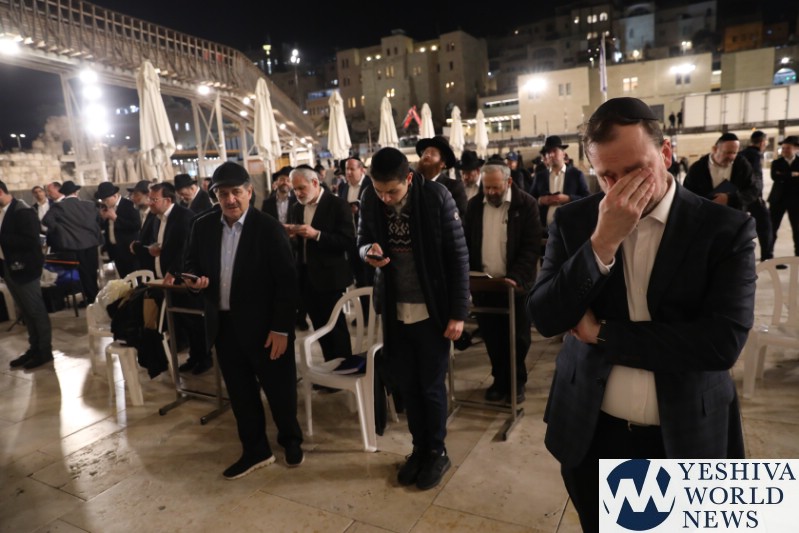
Later that evening, on a rooftop overlooking the Kosel, Rabbi Elephant Shlita spoke with his well-known directness and force, followed by fellow chaburah member Yaakov Brown, who shared personally about his own journey with Daf Yomi. It was the kind of night where Torah and the chevrah merged — the Kosel just beyond, the city spread out below, and the words of Torah connection framing it all.
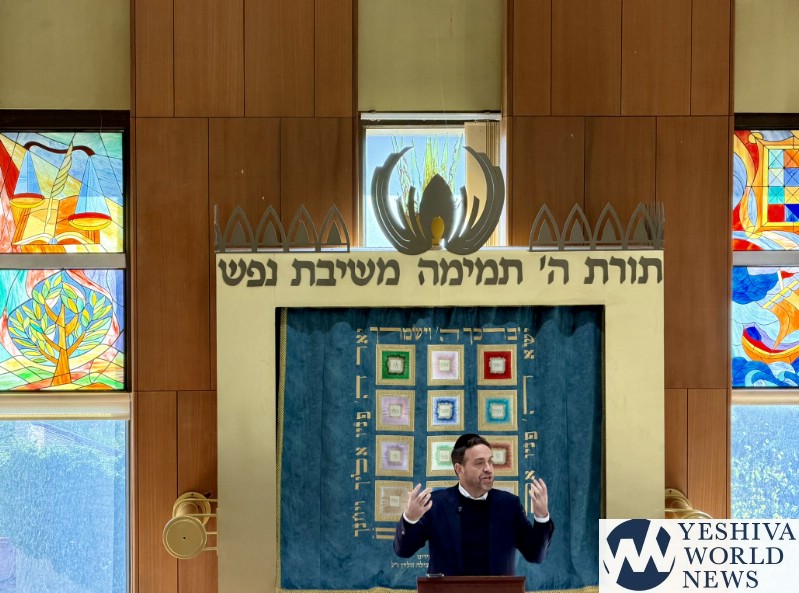
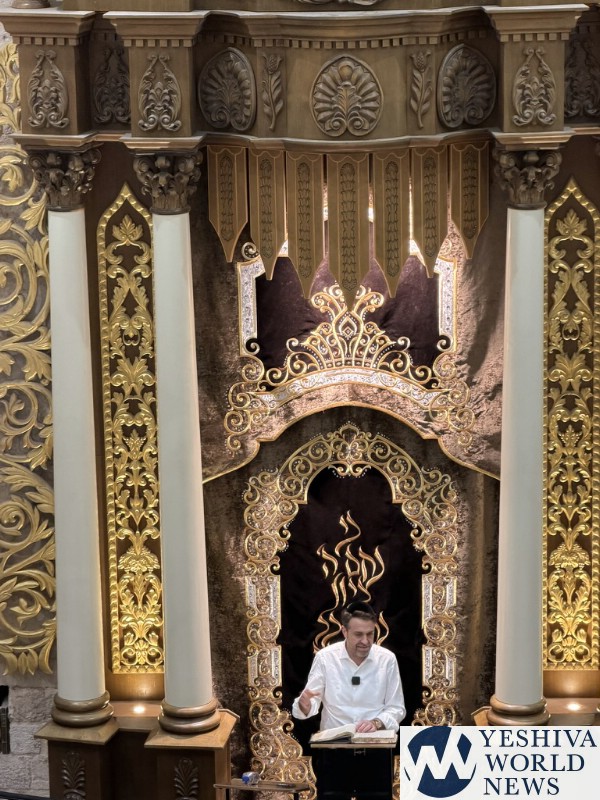
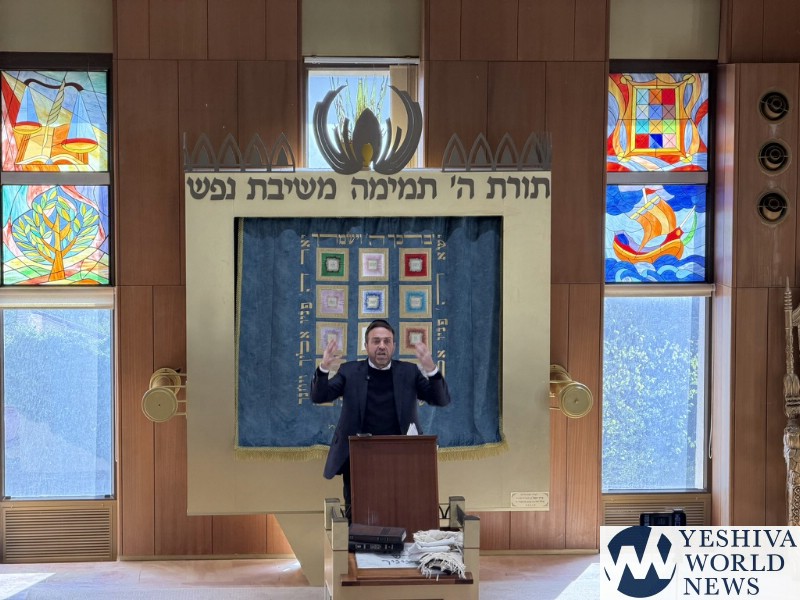
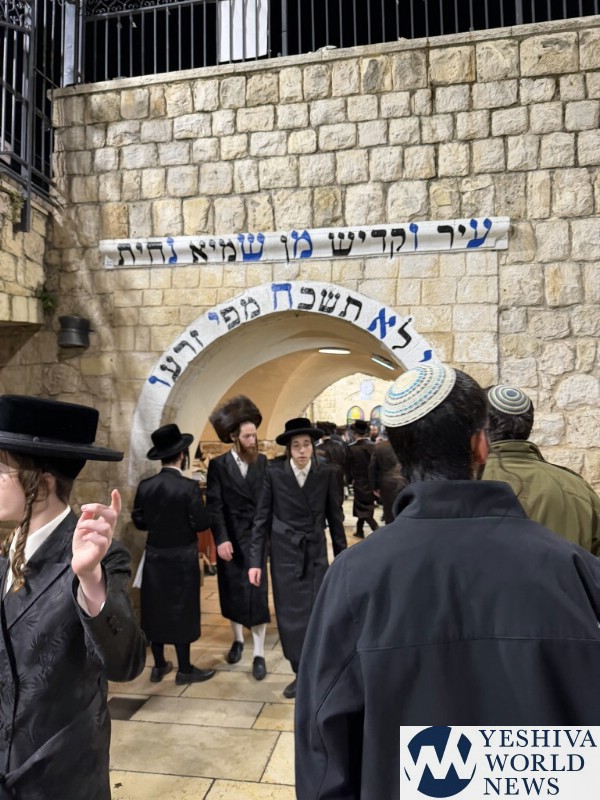
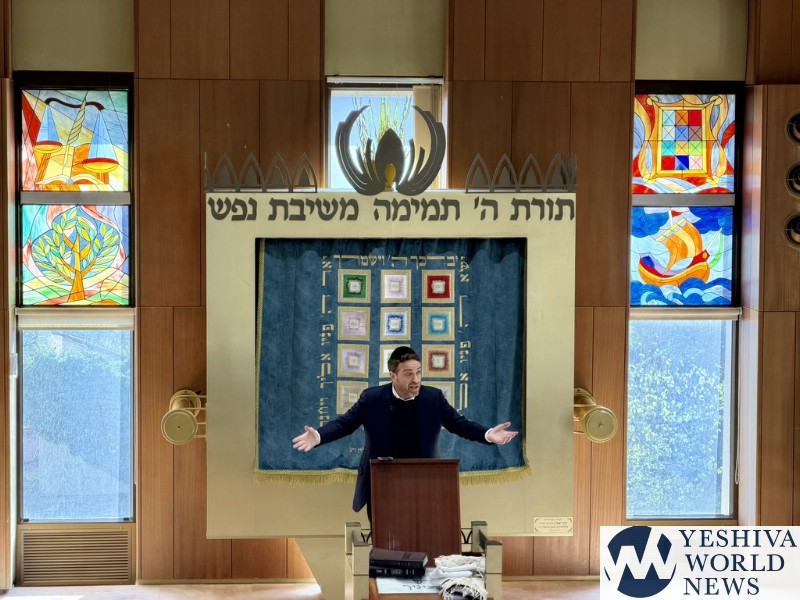
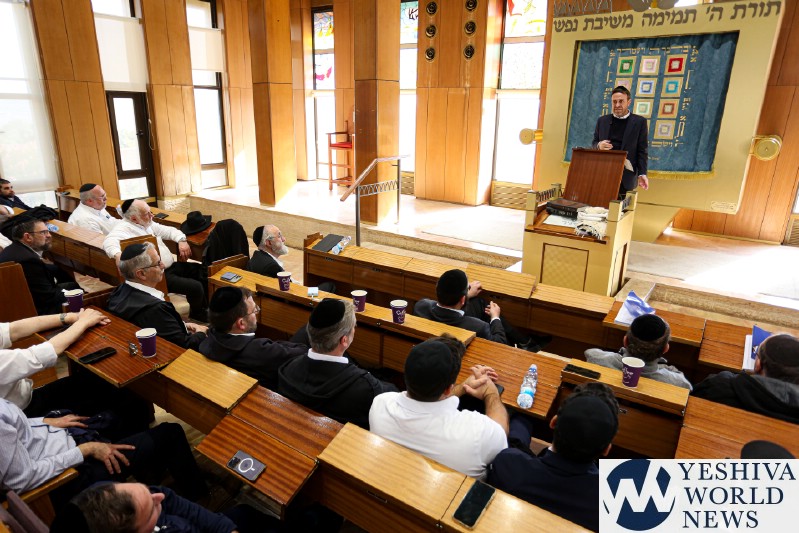
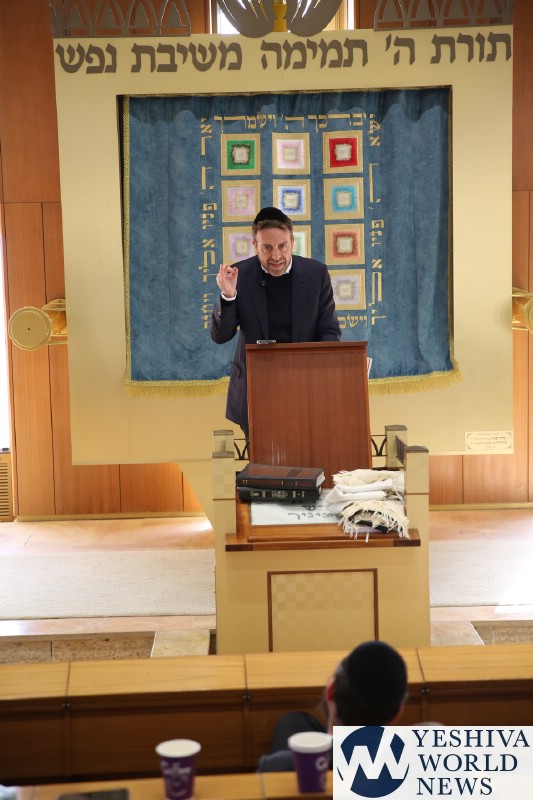
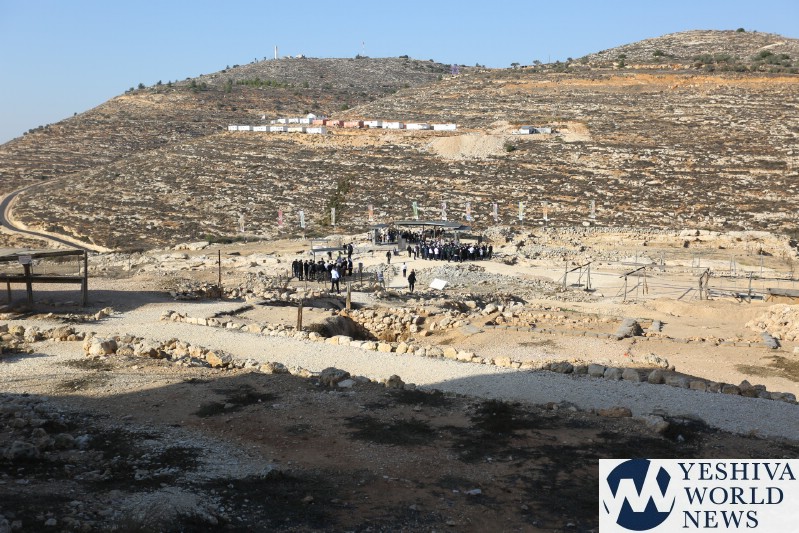
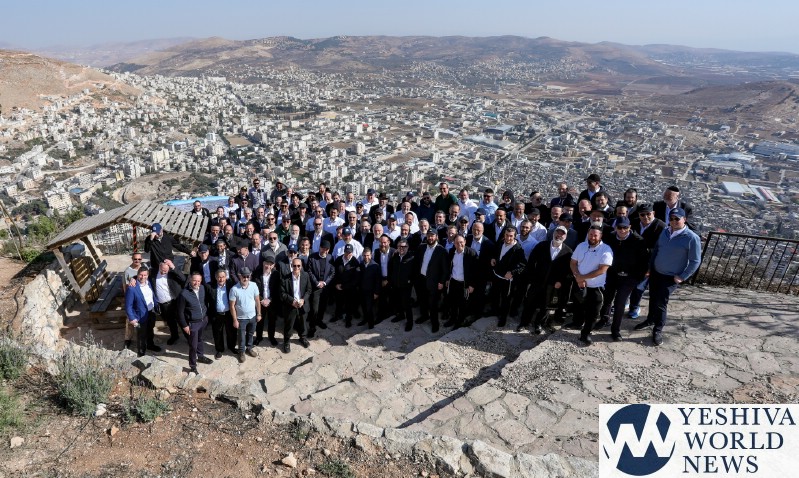
In the days that followed, the chaburah moved through places that were as rich in meaning as they were in scenery and mesorah. On Har Gerizim, overlooking the area of Kever Yosef HaTzaddik, the group took in the view and the weight of the makom before continuing on. In Shilo, they gathered in a beis medrash built to reflect elements of the Mishkan, where Reb Sruly delivered a reid bite that tied the location and the limud together in a way that many will not soon forget.
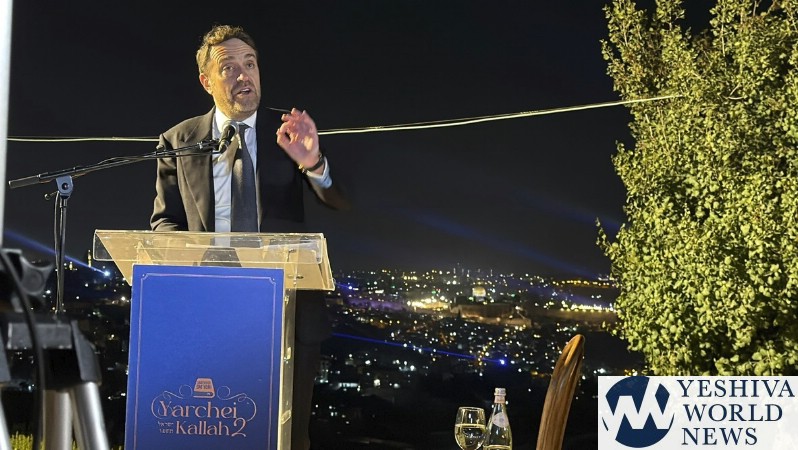
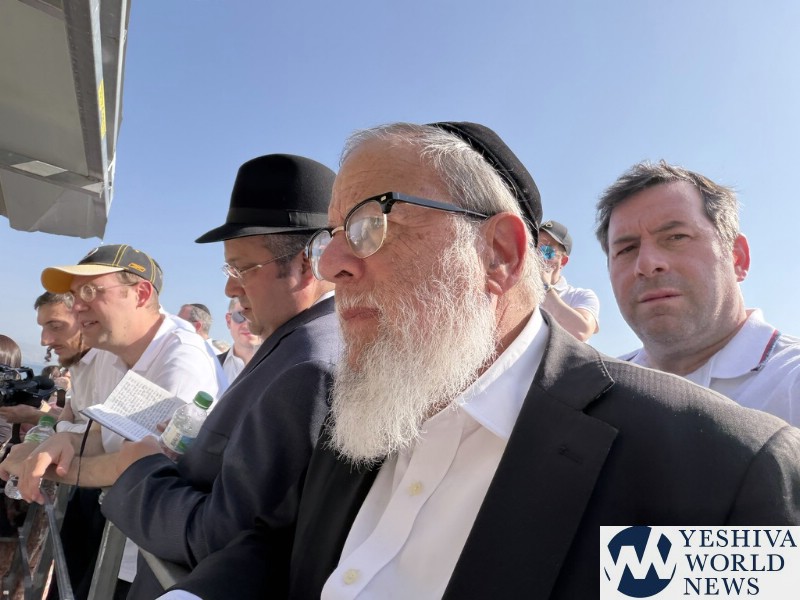
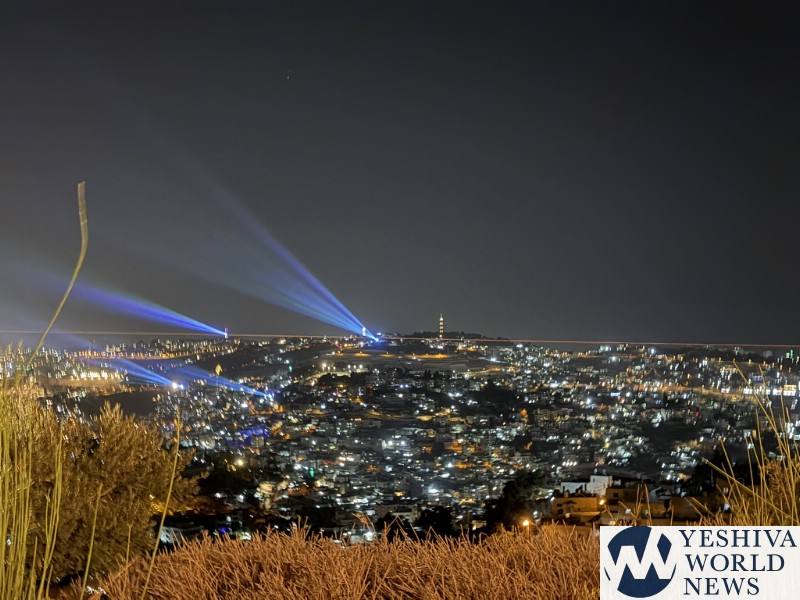
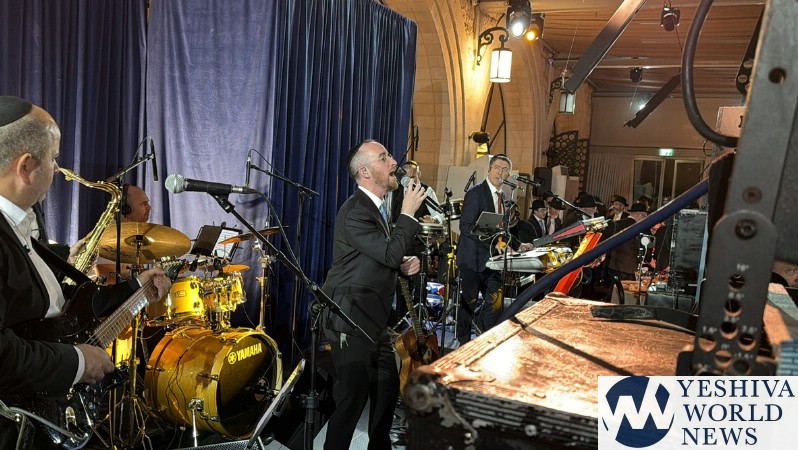
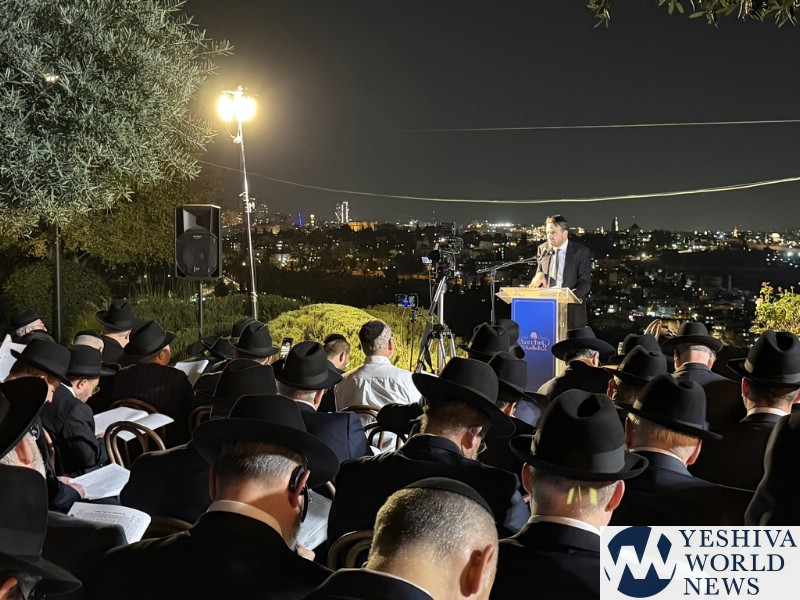
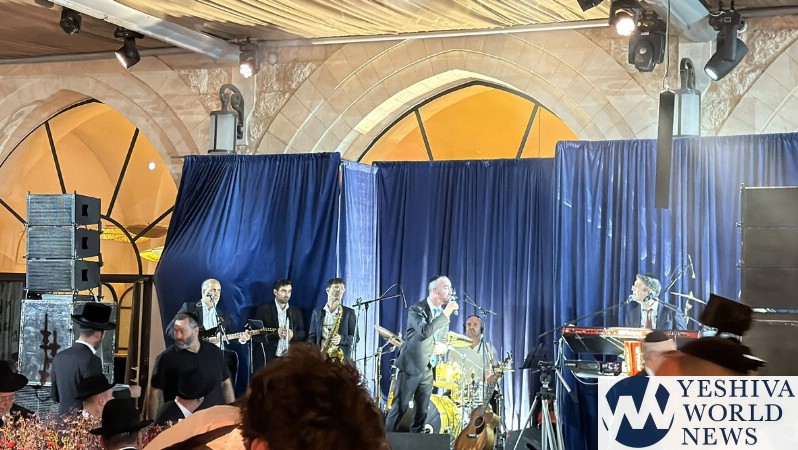
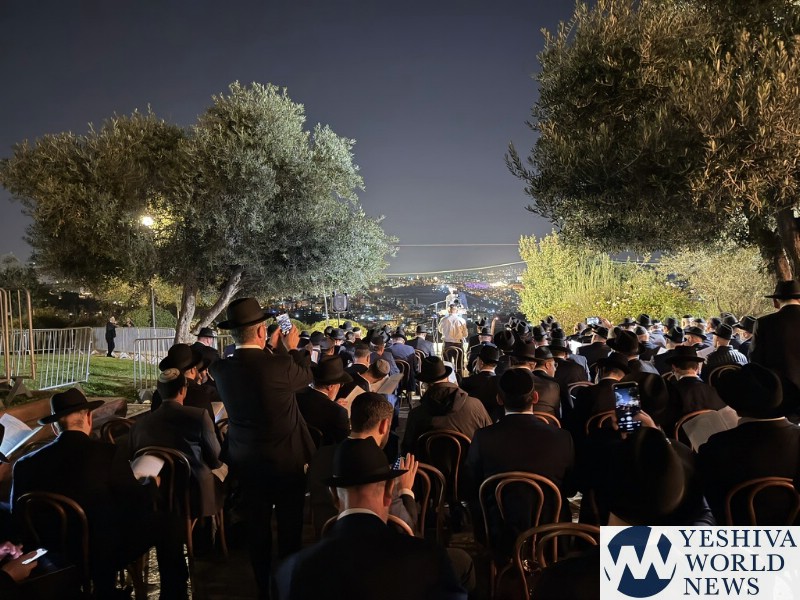
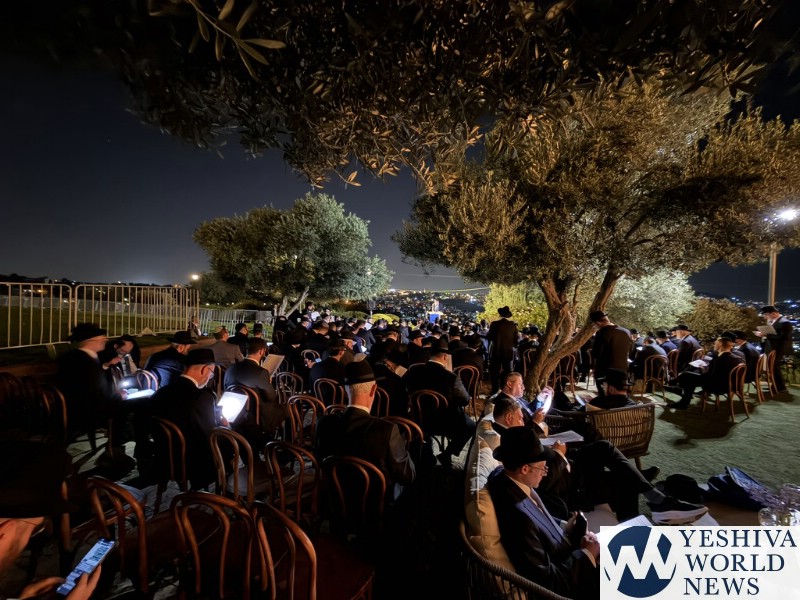
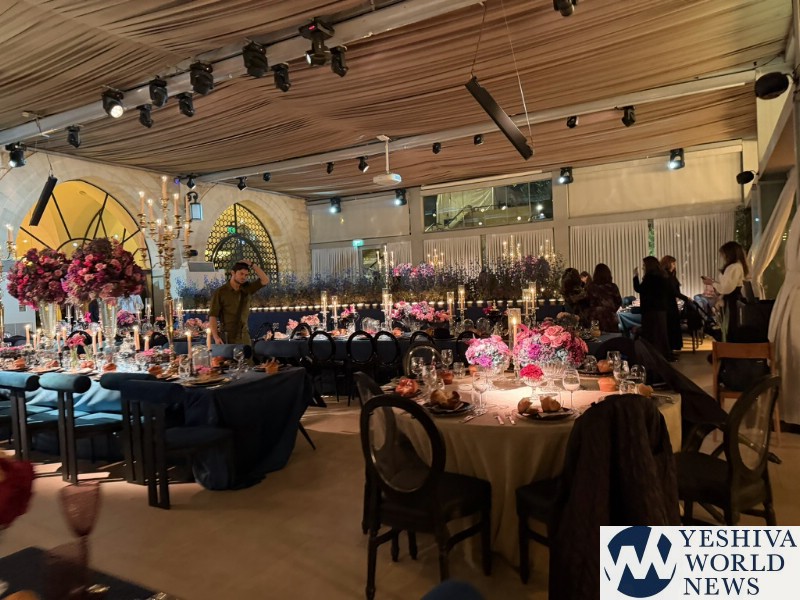
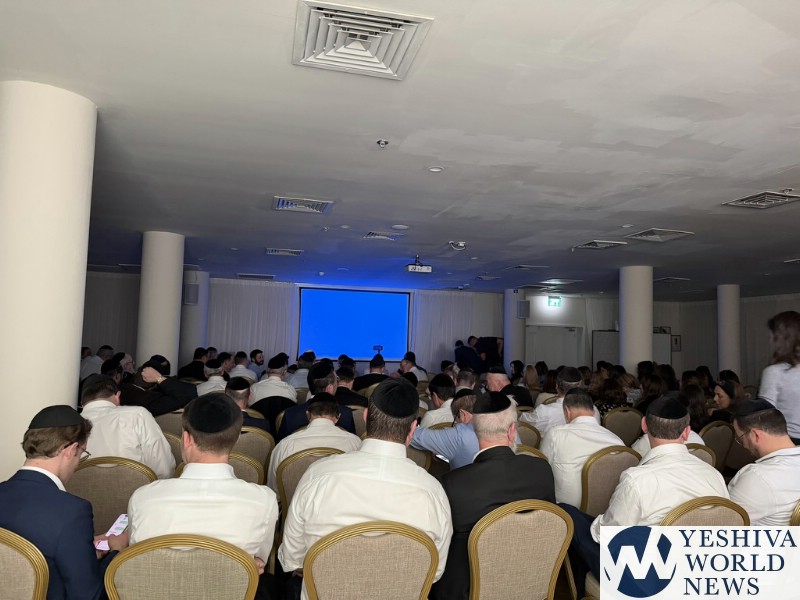
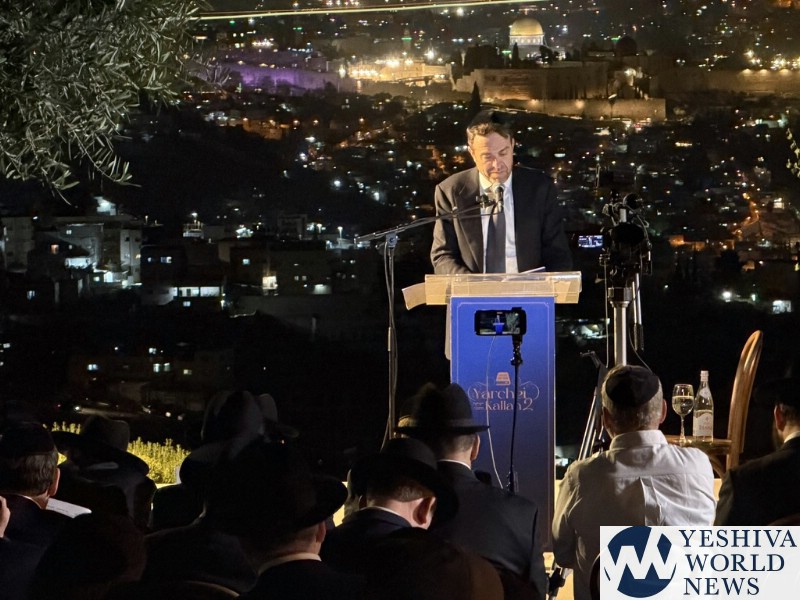
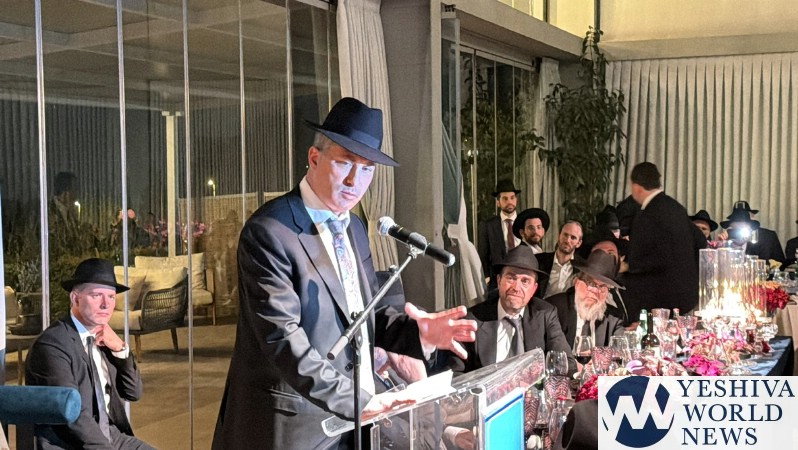
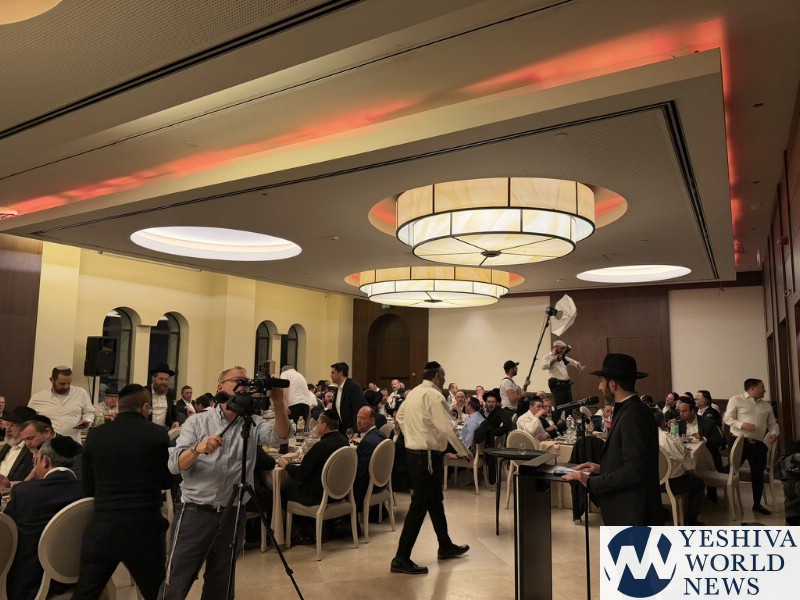
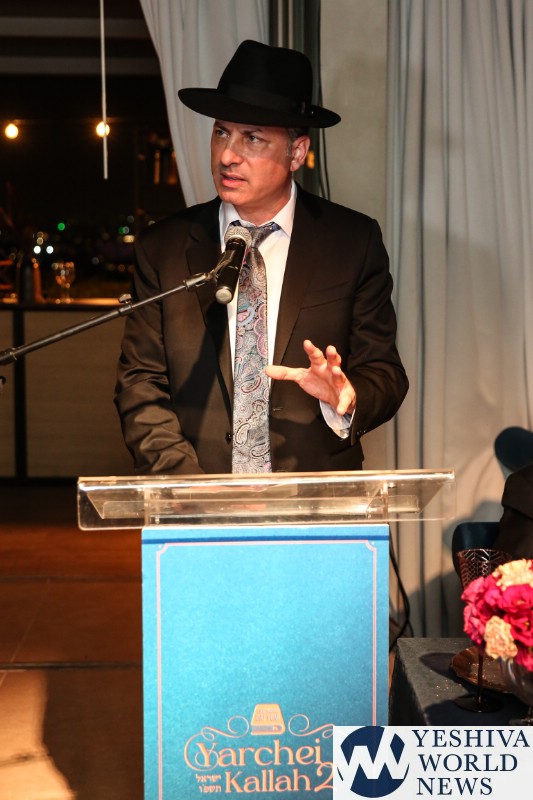
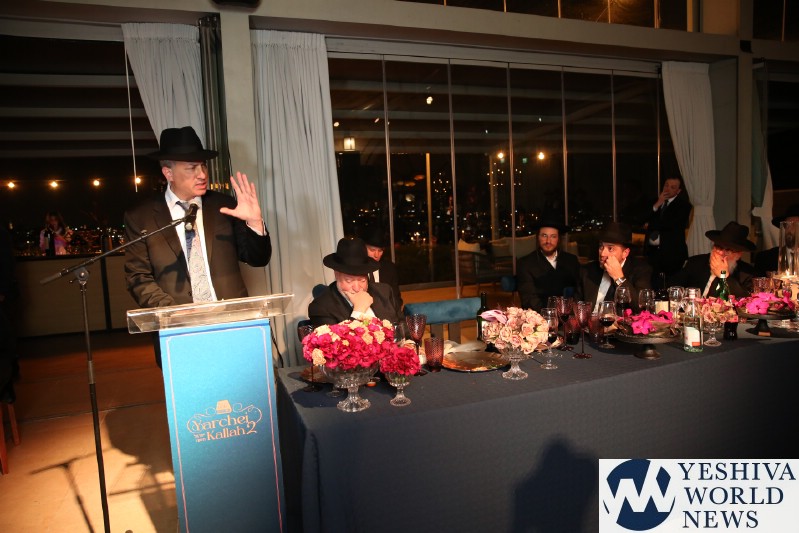
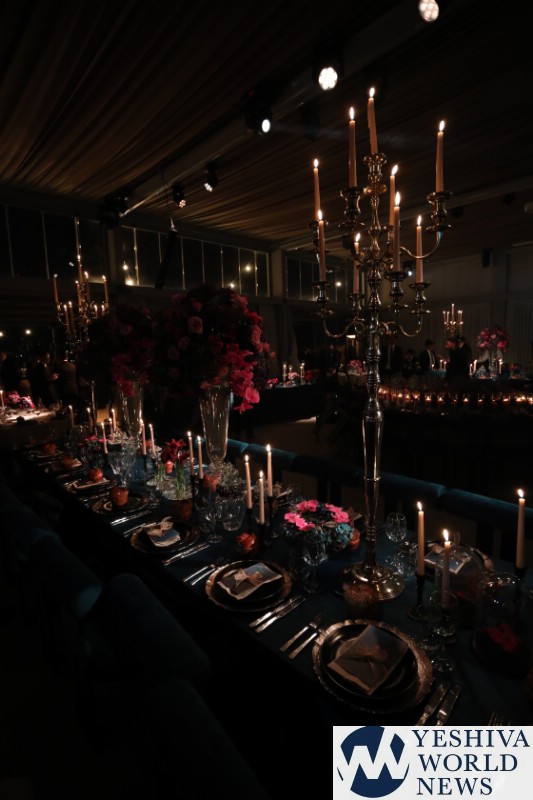
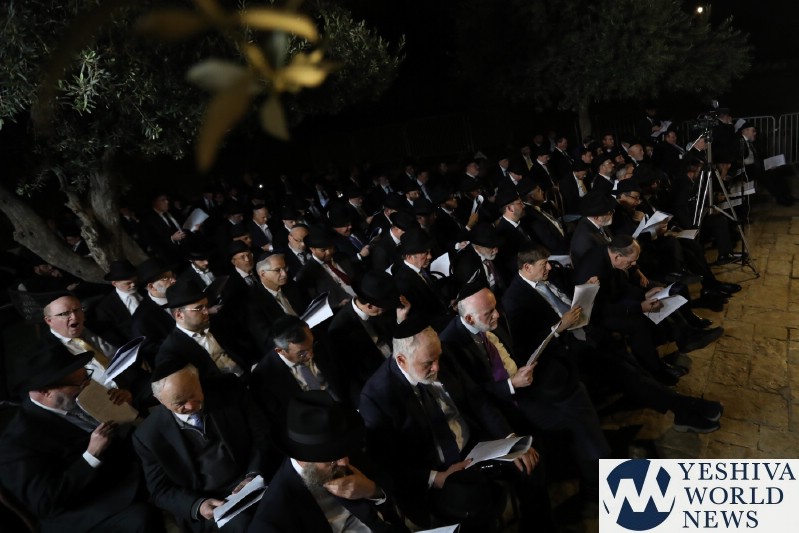
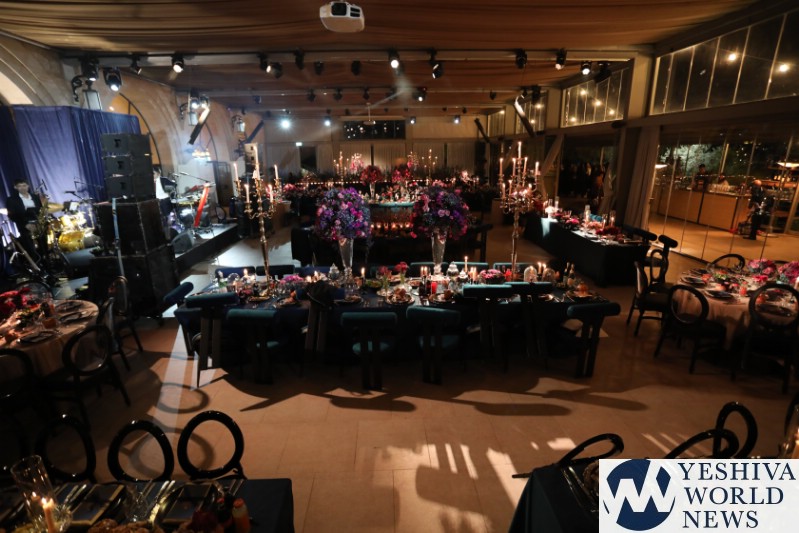
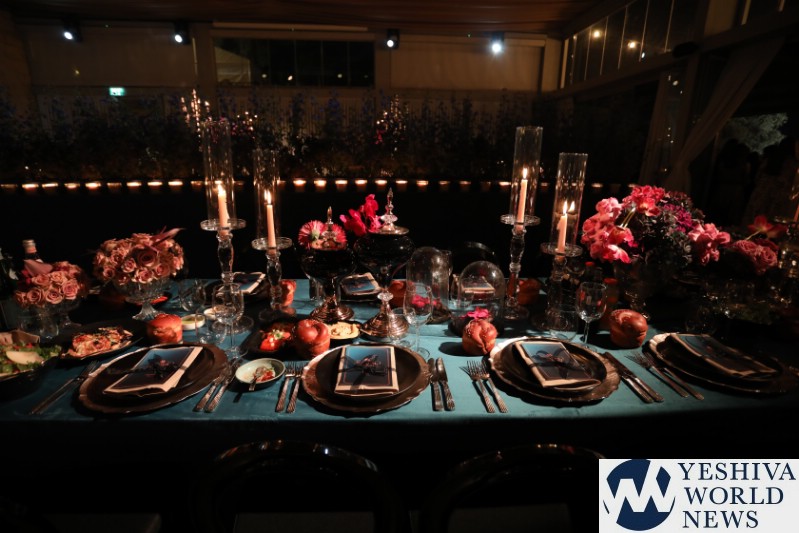
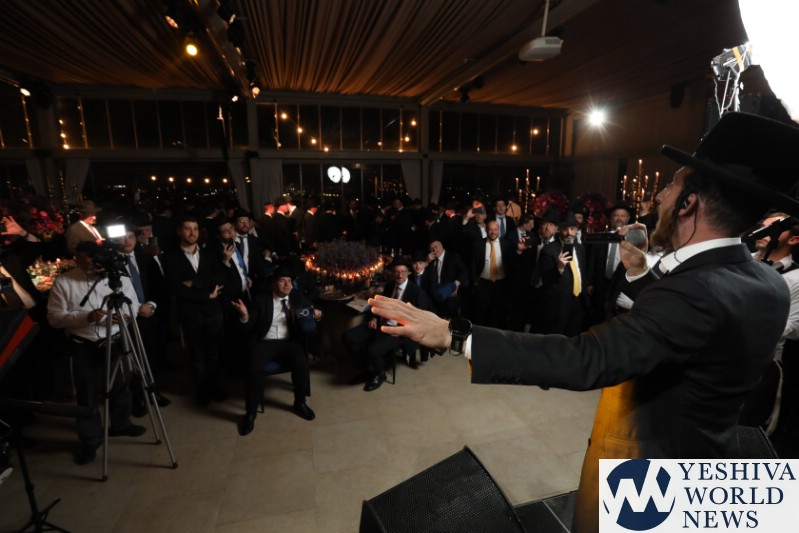
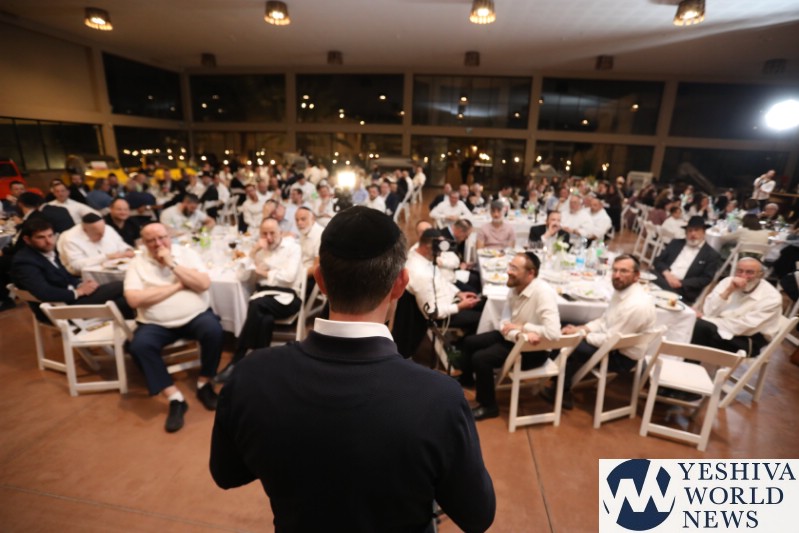
The next night, the siyum on Seder Nezikin took place at the Haas Promenade, with the Har HaBayis glowing in the distance under a clear Yerushalayim sky. The indoor and outdoor spaces flowed together, with the setup, decor, and band all contributing to an atmosphere of kavod haTorah without ever becoming the focus.
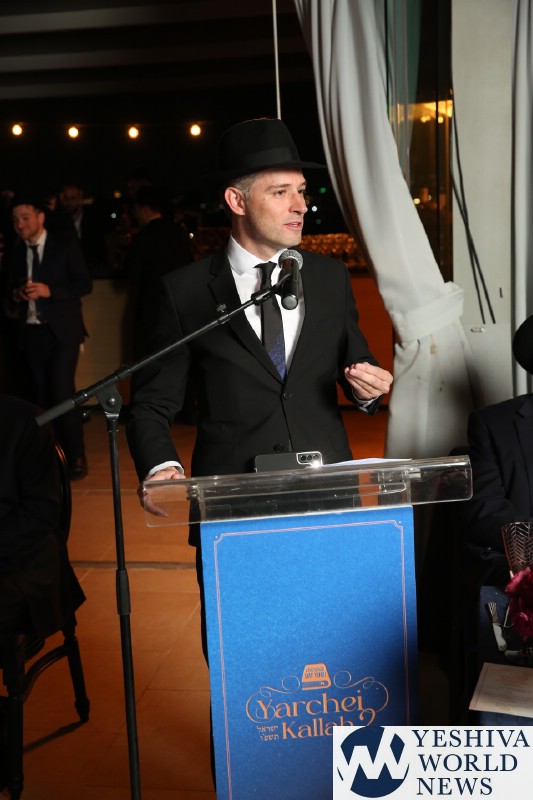
Reb Sruly delivered the final daf of Sanhedrin with the Har HaBayis in the background, followed by the hadran. Reb Yitzchok Bornstein, Reb Sruly’s father, then recited the Kaddish of the siyum on Seder Nezikin. The sense in the air was a mix of simcha, accomplishment, and chaburah — not a performance, but a true celebration of Torah.
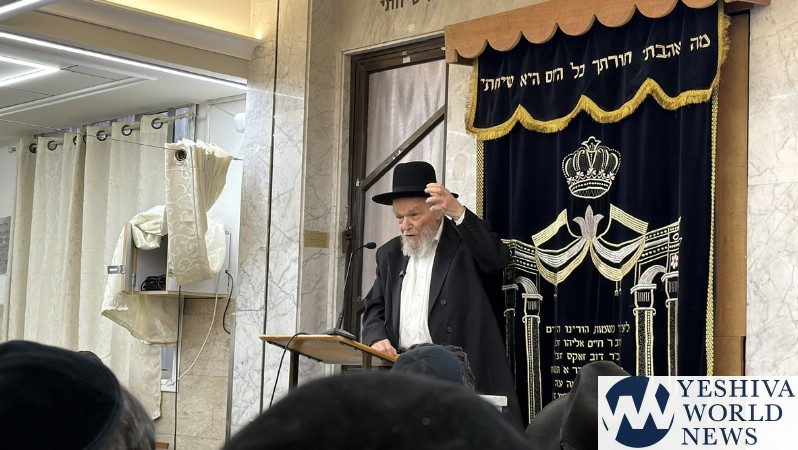
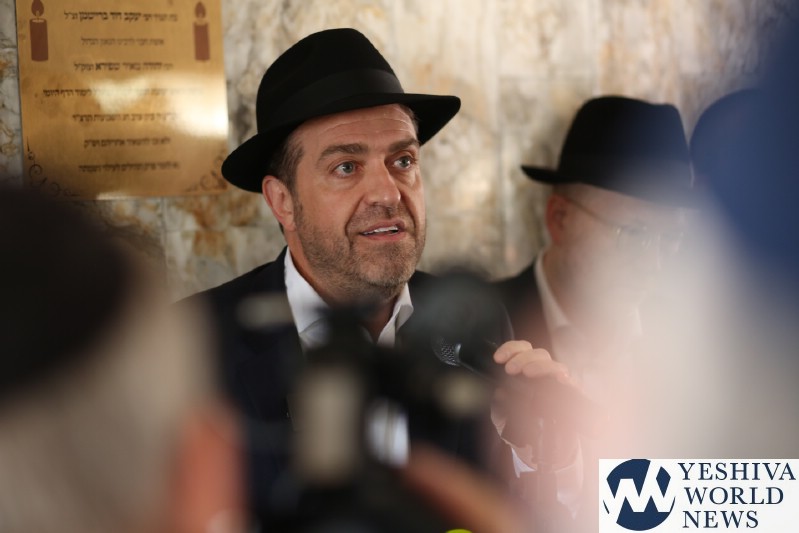
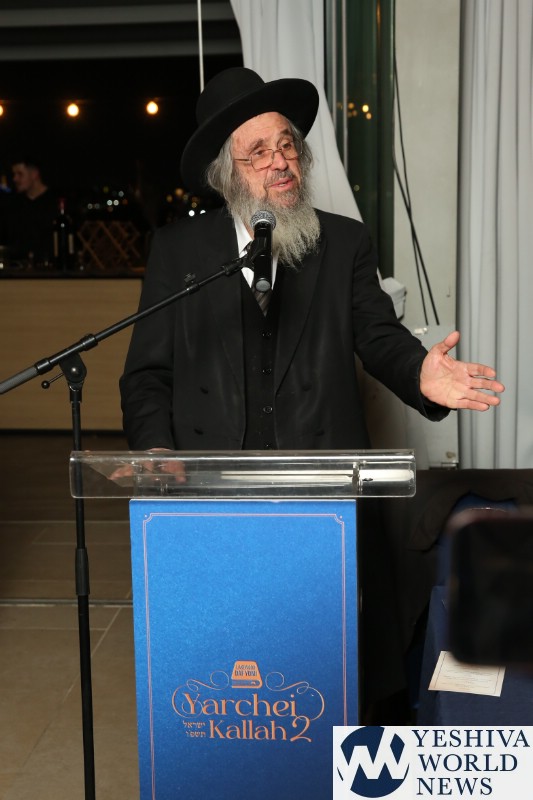
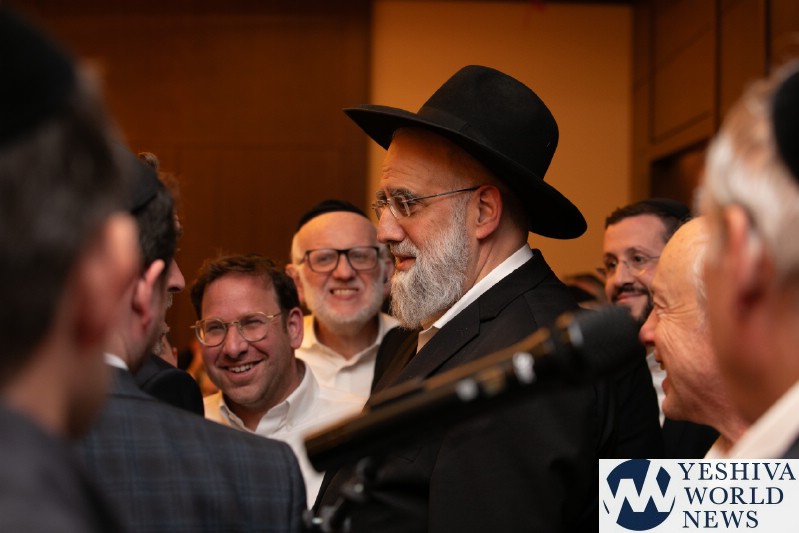
Rav Dovid Cohen Shlit”a then addressed the crowd with divrei Torah and hadrachah. After him, Reb Eli Stefansky — the renowned maggid shiur of Merkaz Daf Yomi (MDY), and a follower of Reb Sruly’s shiurim — joined the program, offering heartfelt divrei chizuk in a moment of genuine achdus that resonated across klal yisroel.
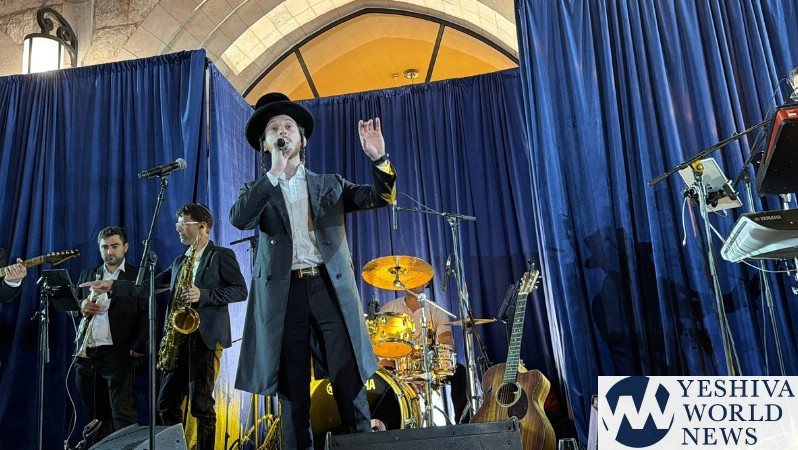
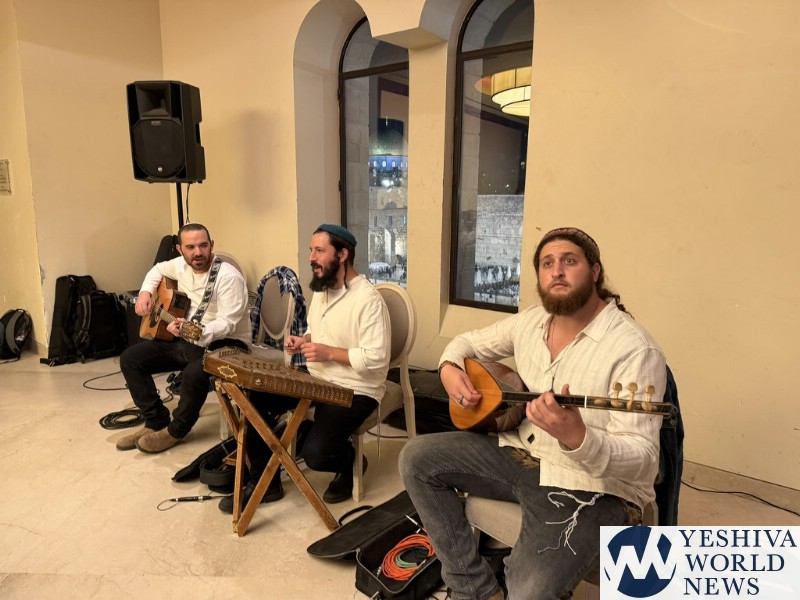
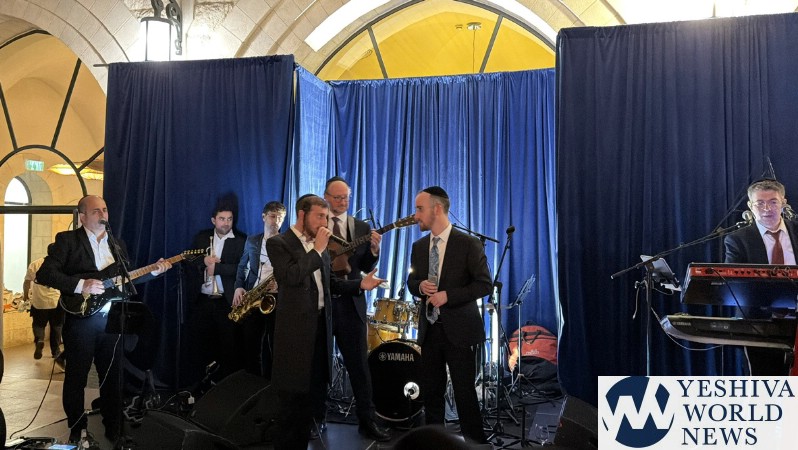
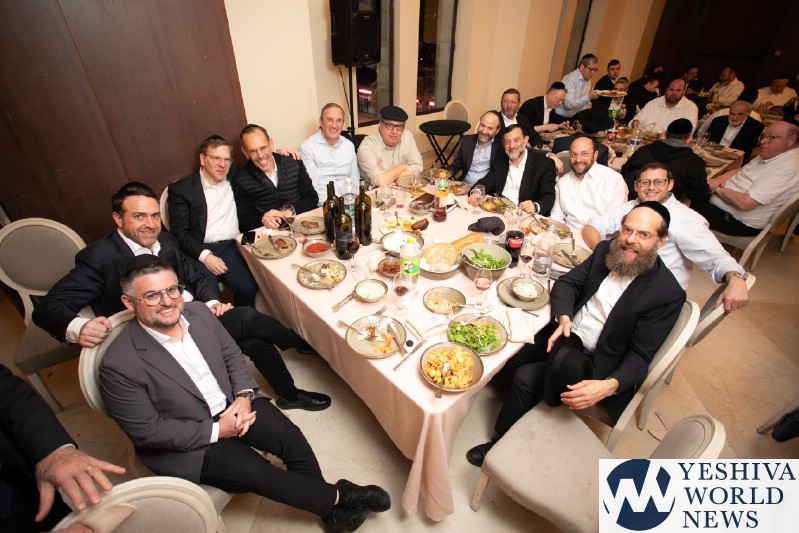
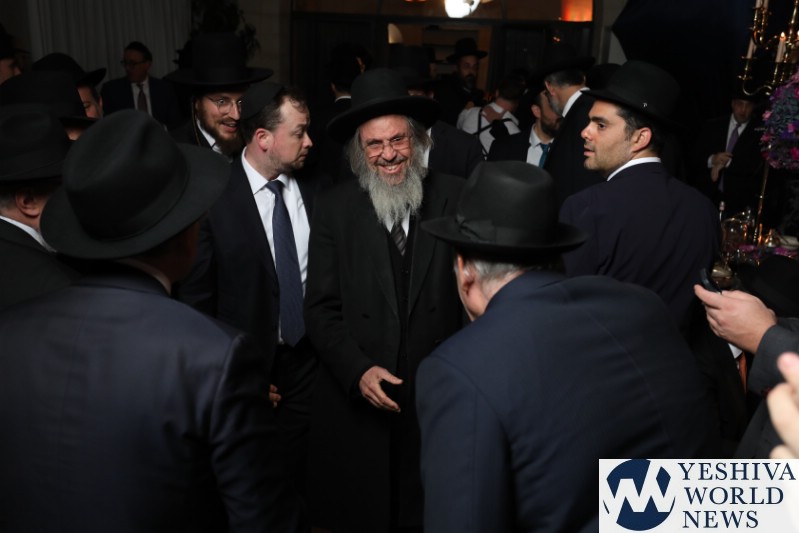
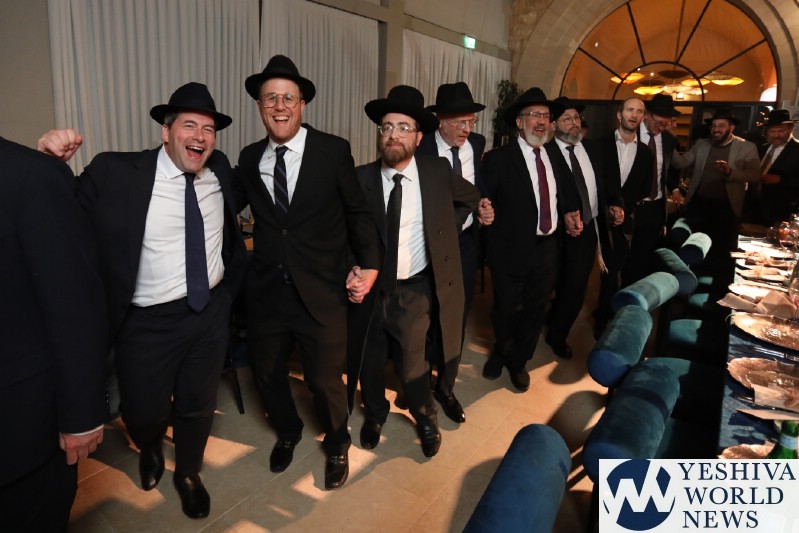
The music that followed — from Naftali Kempeh, Shulem Lemmer, and a full band — lifted the simcha with dancing and kumzitz raising the bar even higher. Some participants had flown in from abroad just for that night and would fly back the next day. There was a clear sense that this was more than a standard siyum; it was a picture of what a living chaburah looks like when it gathers in Yerushalayim.
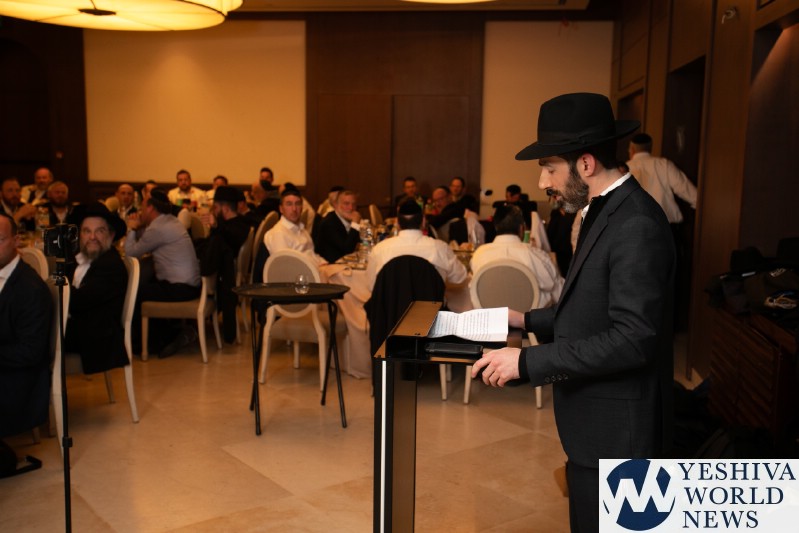
One of the highlights was a short address by Adam Schnall, an IDF reservist from Philadelphia serving in an intelligence role. He shared that he has spent over 200 days in active reserve and gone into Gaza around thirty times, making multiple siyumim there — including a Mesechta Avodah Zorah siyum with over 250 soldiers, in their vests, with explosions audible in the background. He spoke about fighting on two fronts: the physical battlefield and the inner battle to remain consistent with the Daf. His words were simple and deeply sincere — and left a lasting impact.
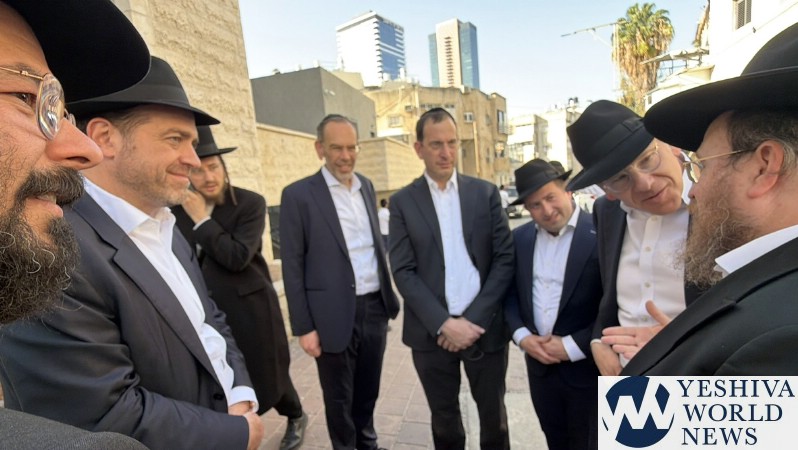
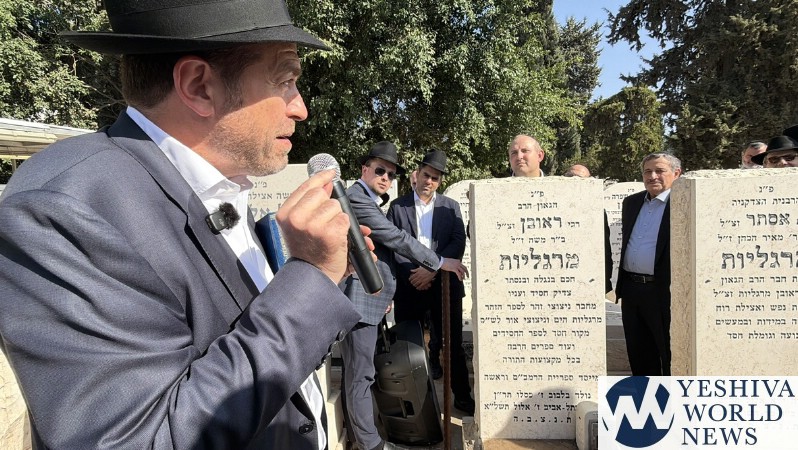
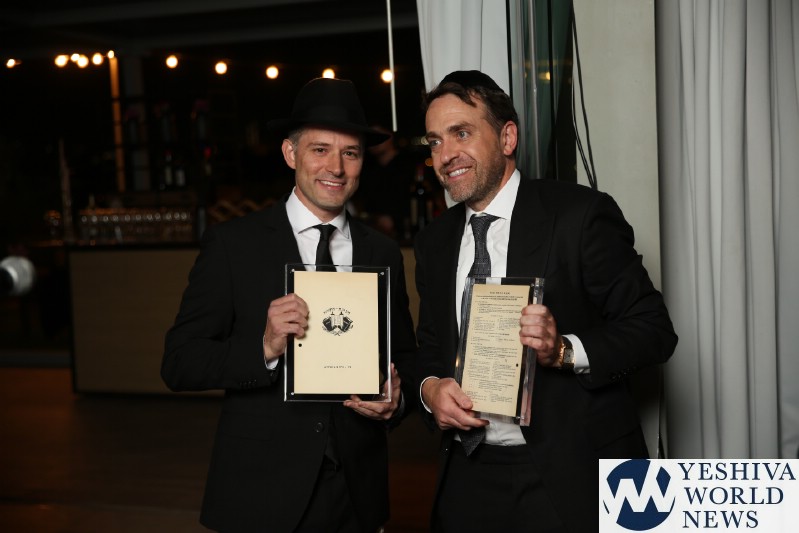
On the way up north, the group stopped in Tel Aviv at the kever of Reb Reuven Margolis, whose seforim have become a fabric of Reb Sruly’s shiurim. Each participant received a special limited-edition sefer — a tangible reminder of how that Torah continues to flow into the Daf and Chumash Shiur.
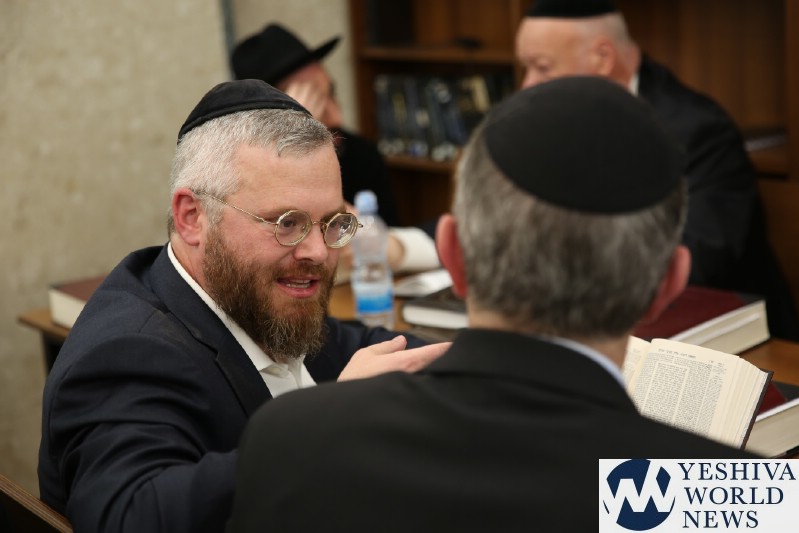
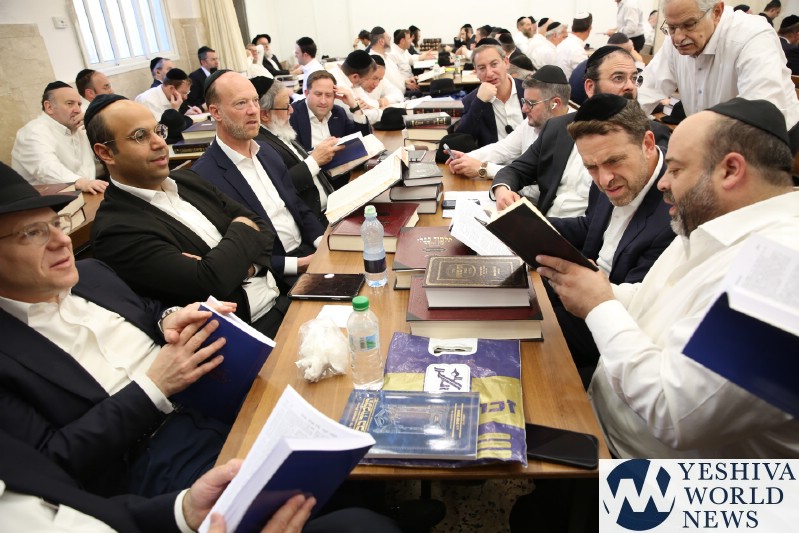
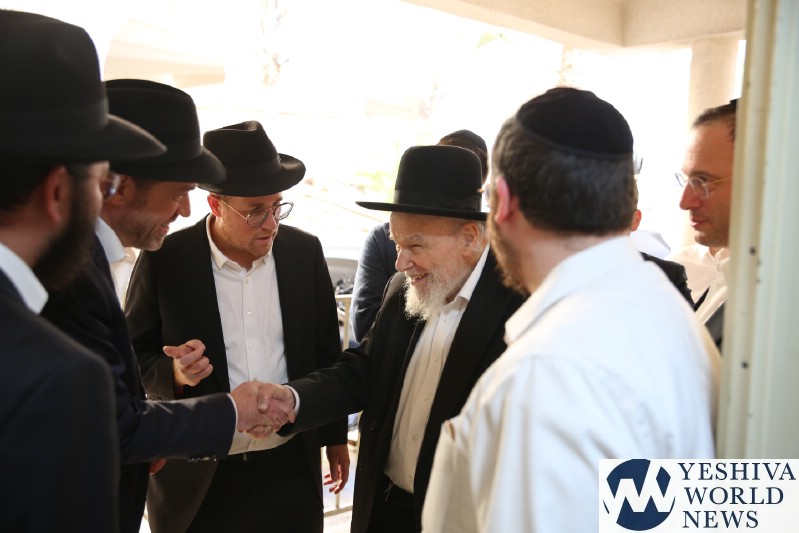
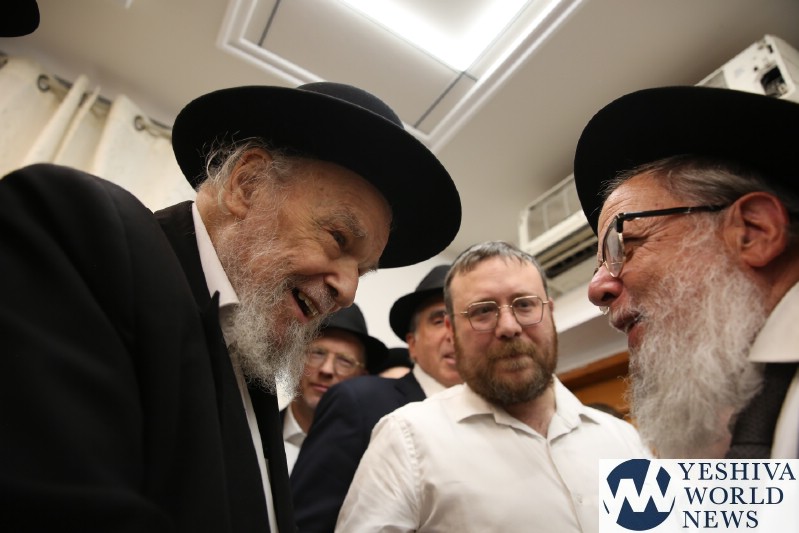
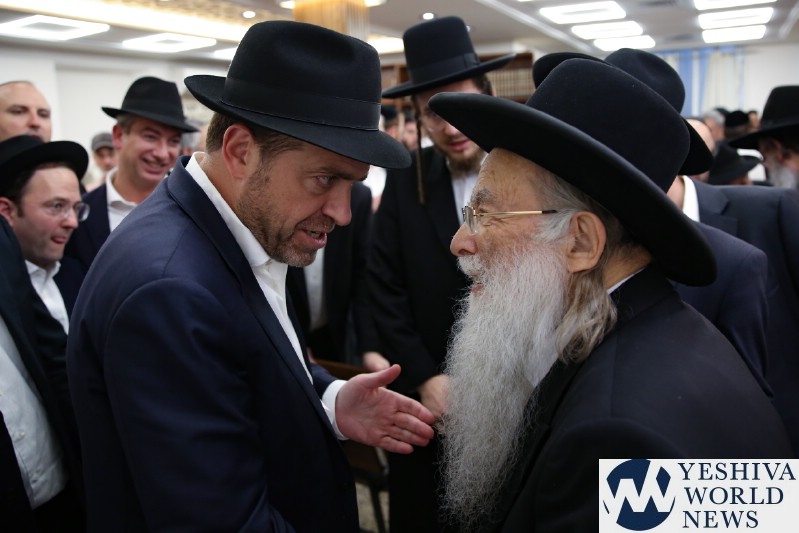
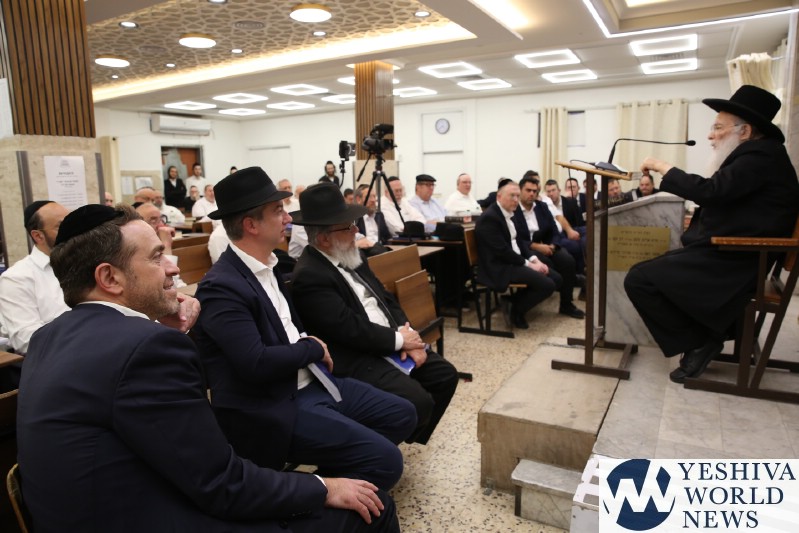
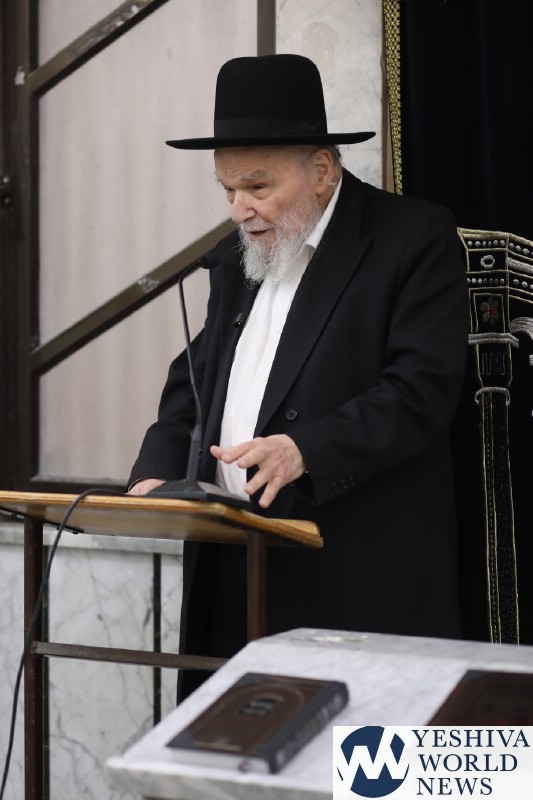
From there, they traveled to Bnei Brak and Slabodka Yeshiva and had seder there, where they were received by HaRav HaGaon Reb Moshe Hillel Hirsch Shlita, one of the gedolei hador, and later heard a shiur from Rav Tzvi Rotberg Shlita, whose Torah is often woven into the Chumash Shiur. These encounters were not “program stops” as much as in-person points of connection with the broader olam haTorah that stands behind what the chaburah hears day after day.
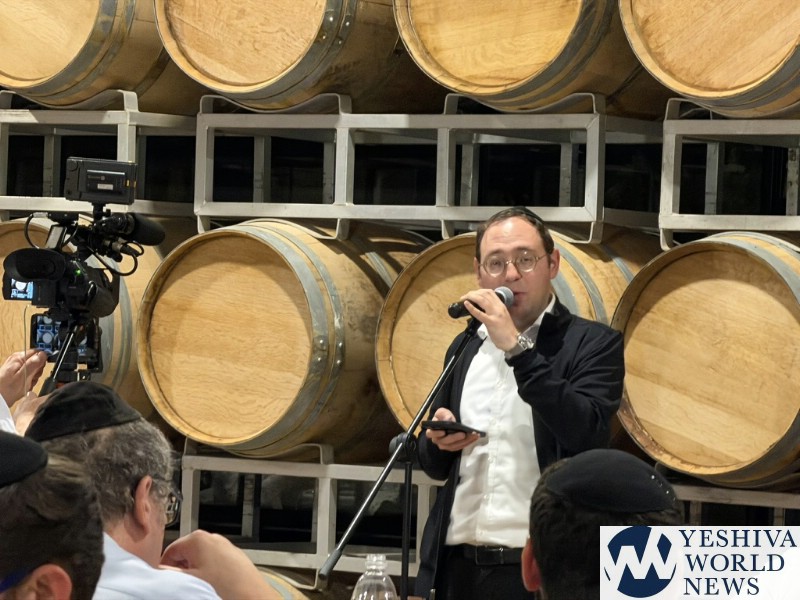
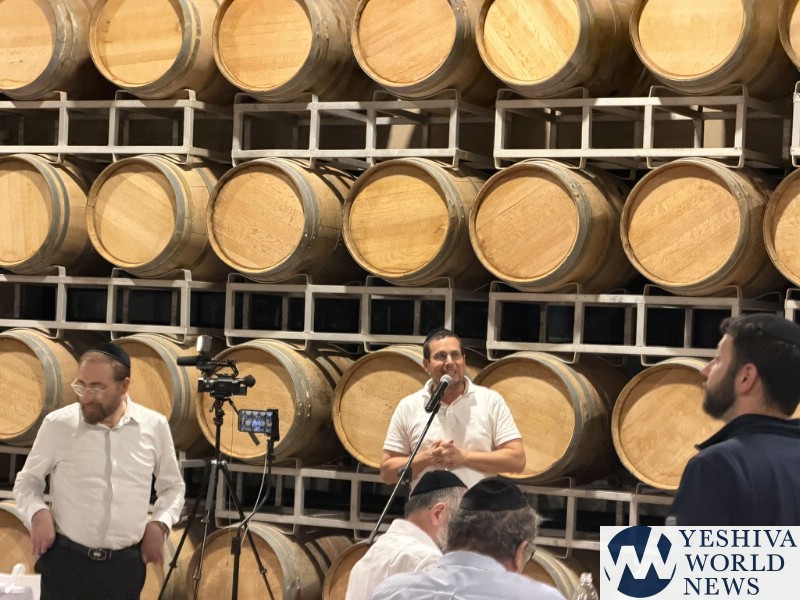
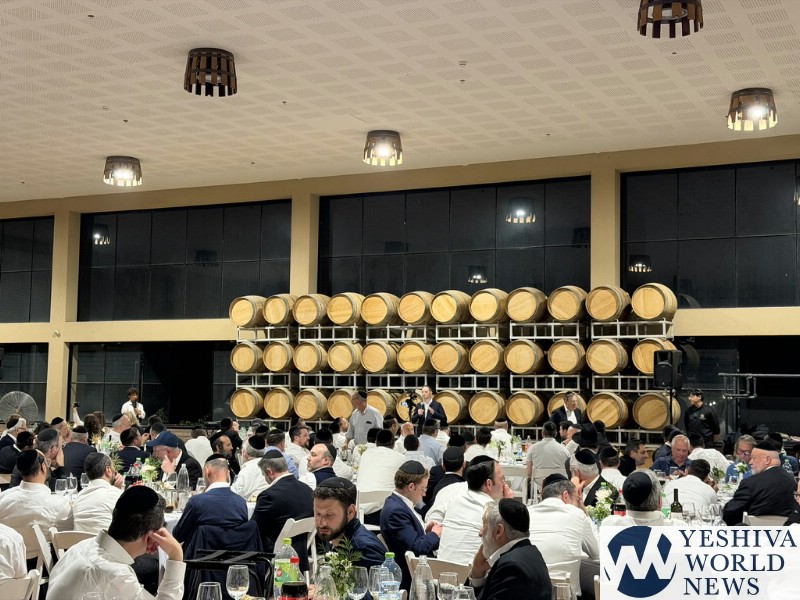
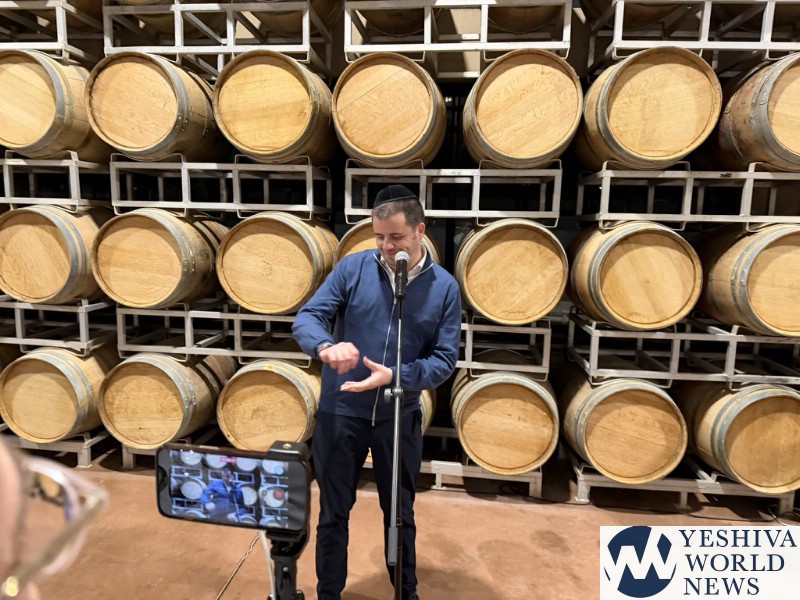
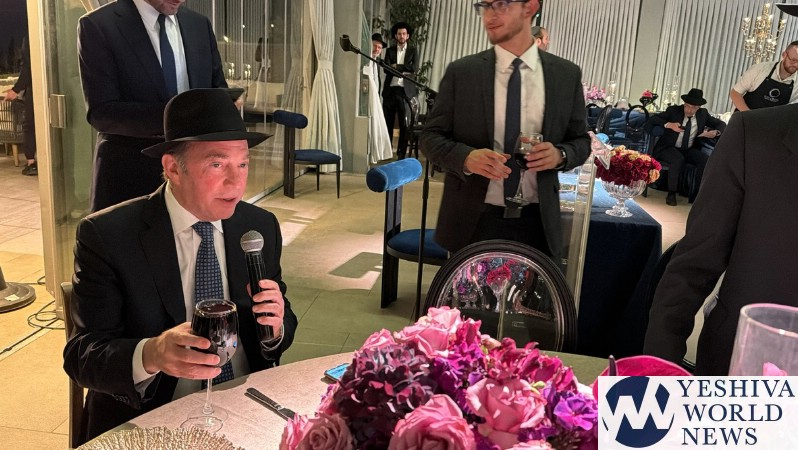
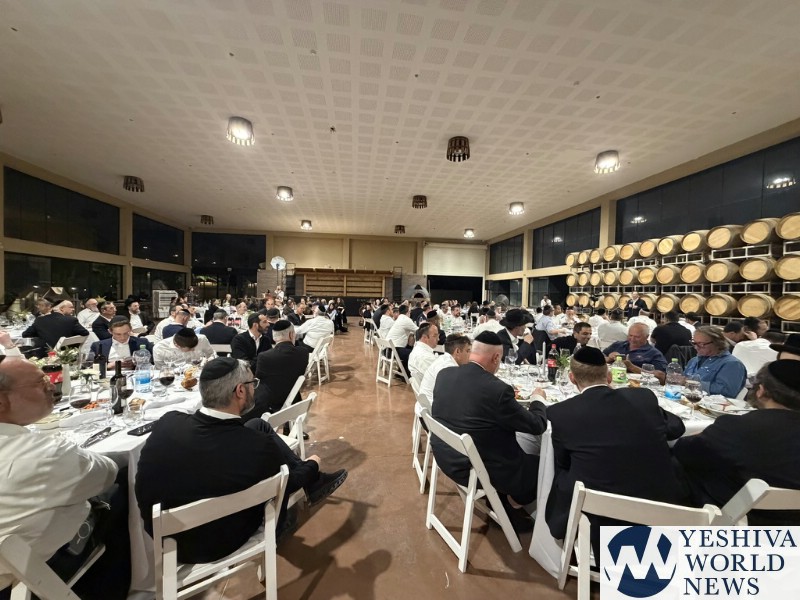
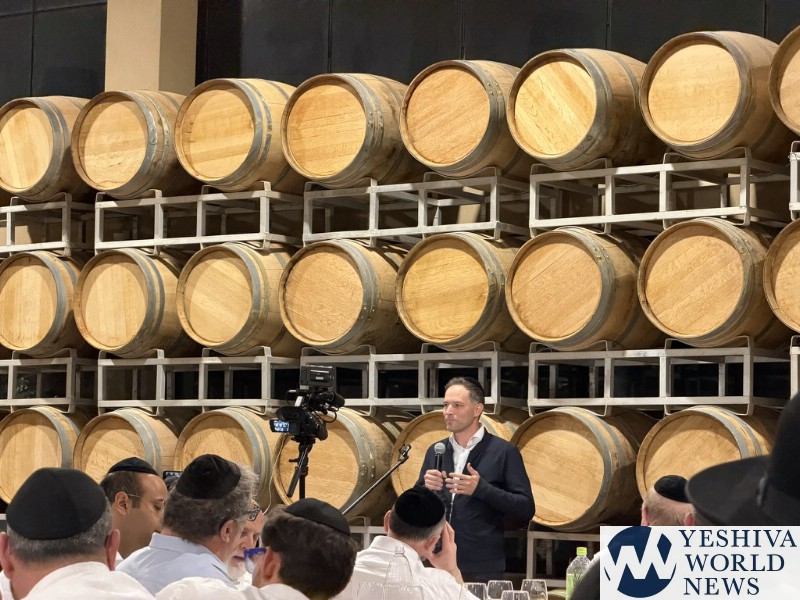
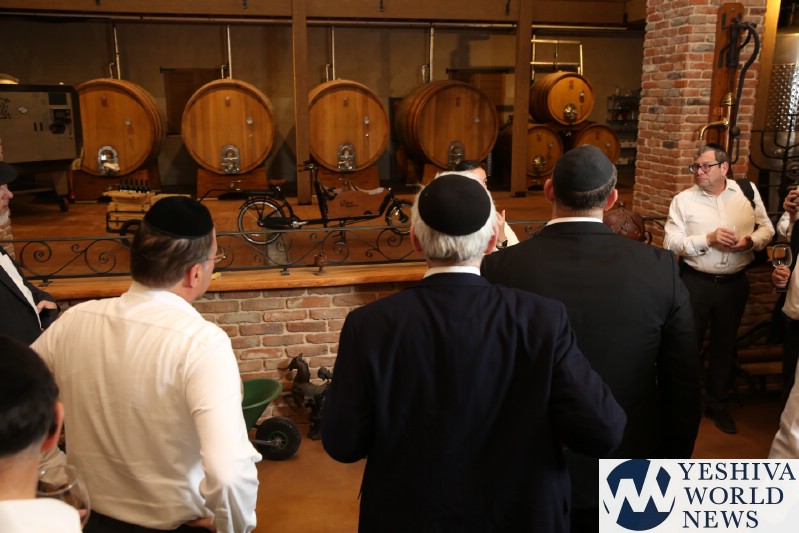
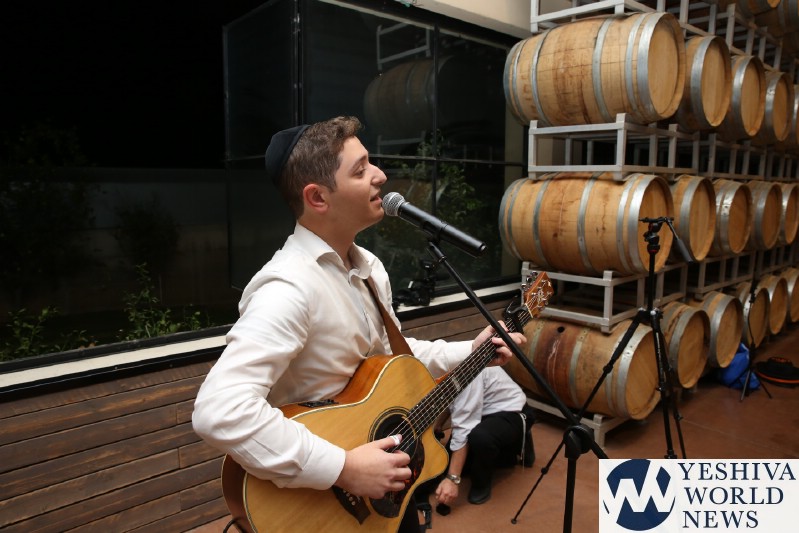
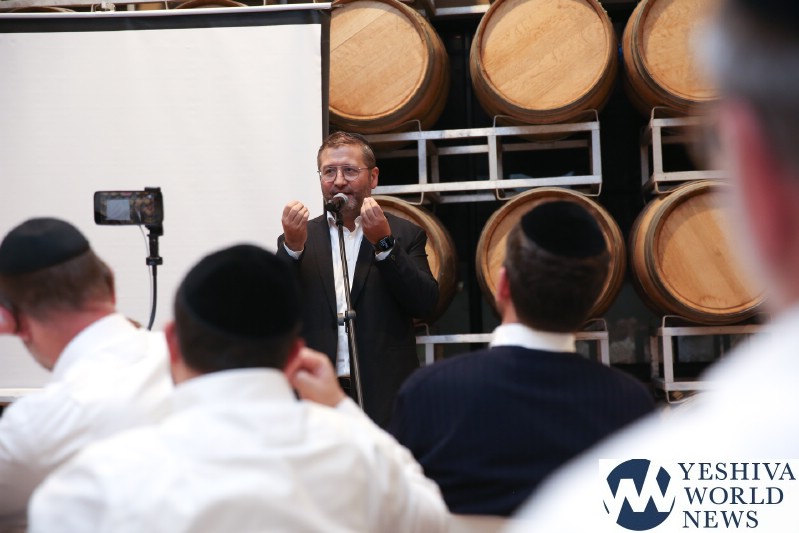
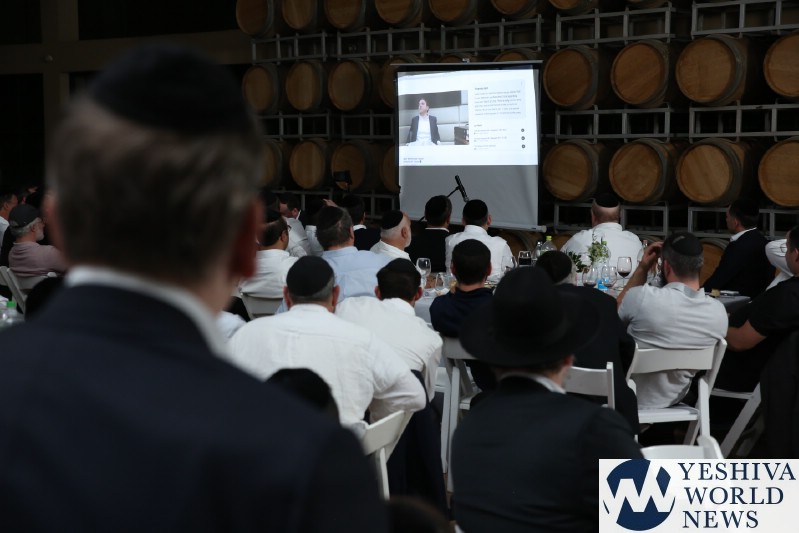
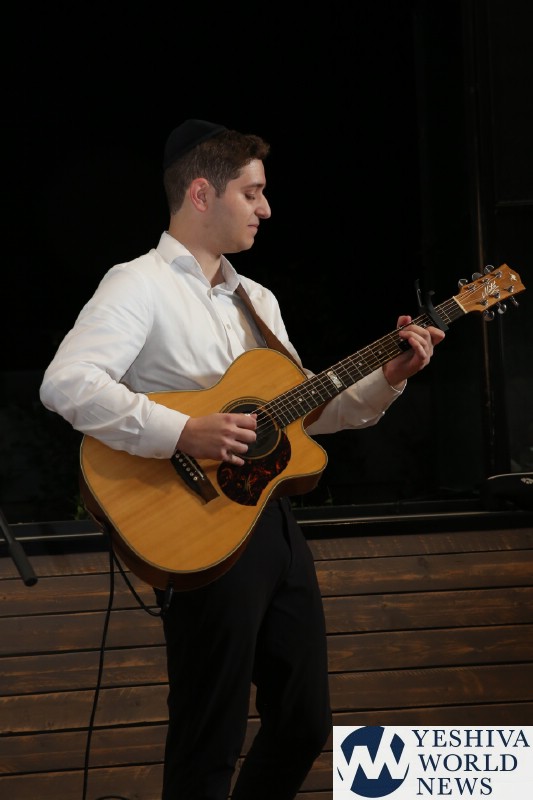
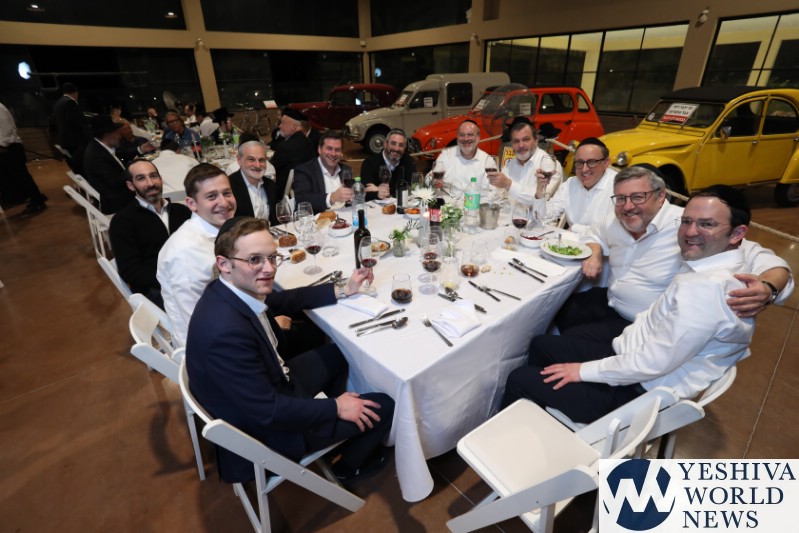
That evening, after the visit to Shilo and before heading up north for Shabbos, the group gathered at a winery. There, fellow chaburah member Chaim Weiss, founder of 24Six, shared a preview of the rebuilt Lakewood Daf Yomi app, now in development — a glimpse of how the global chaburah will iy”H be able to connect and learn with tools and technology on a level the Torah world has yet to see.
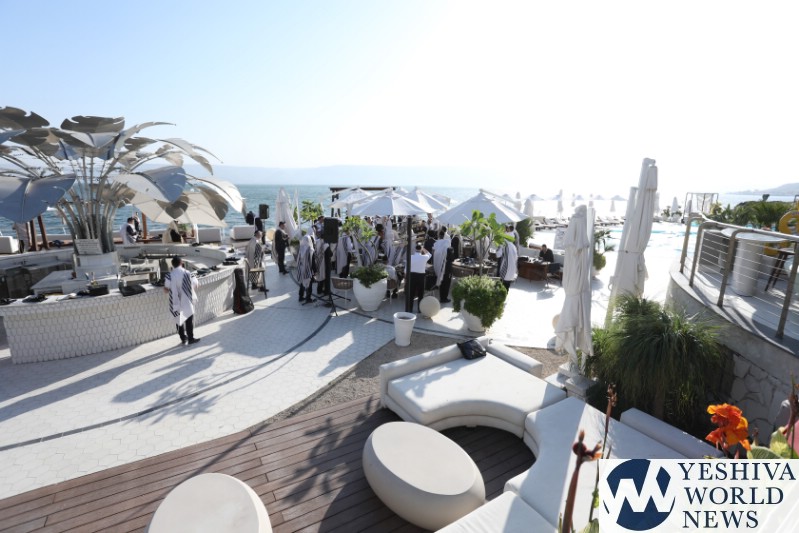
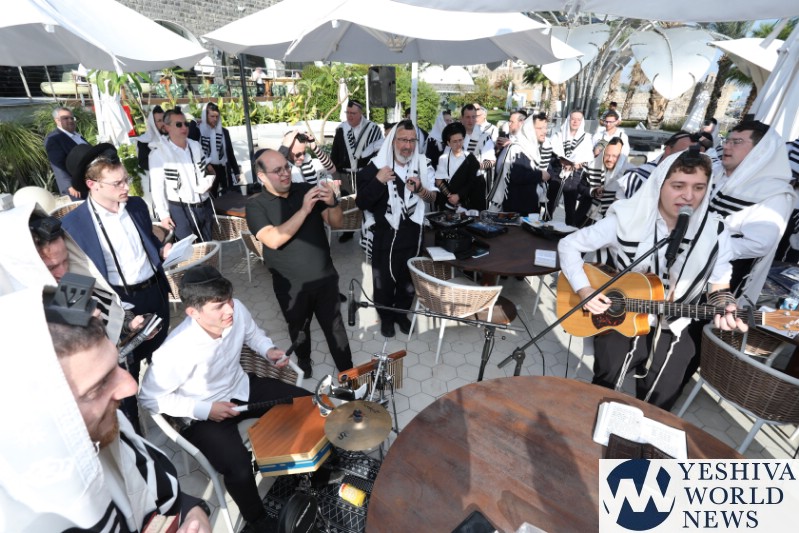
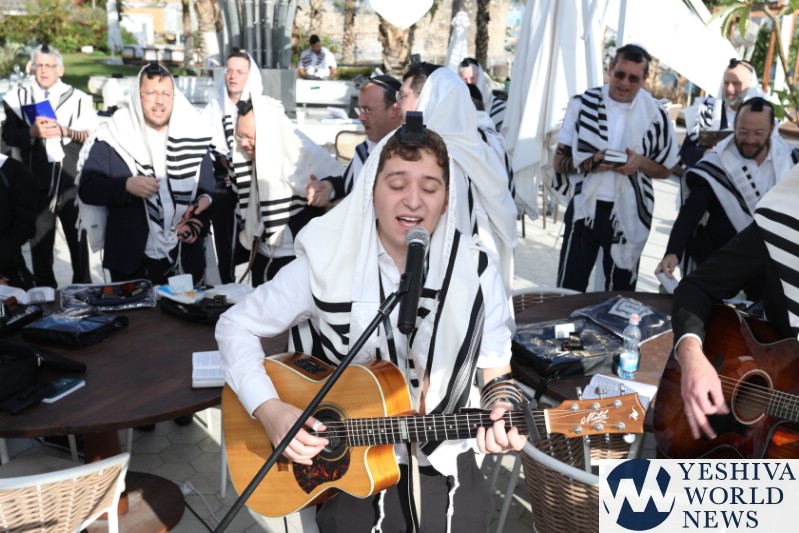
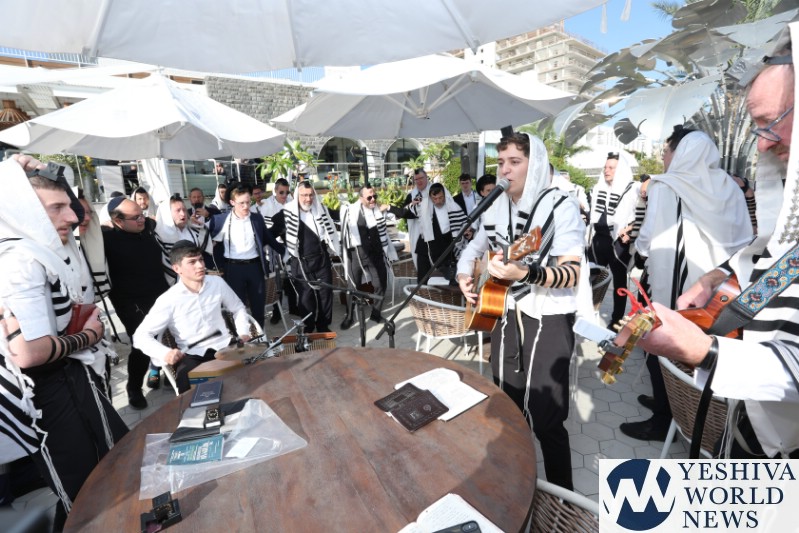
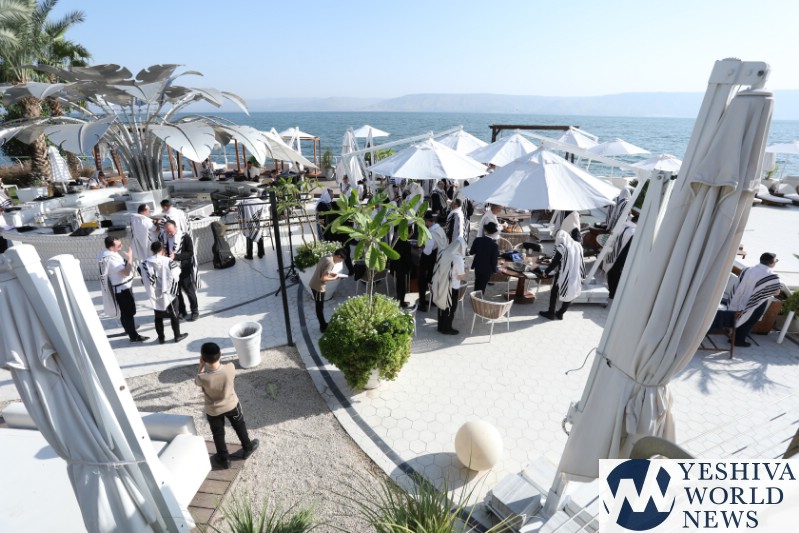
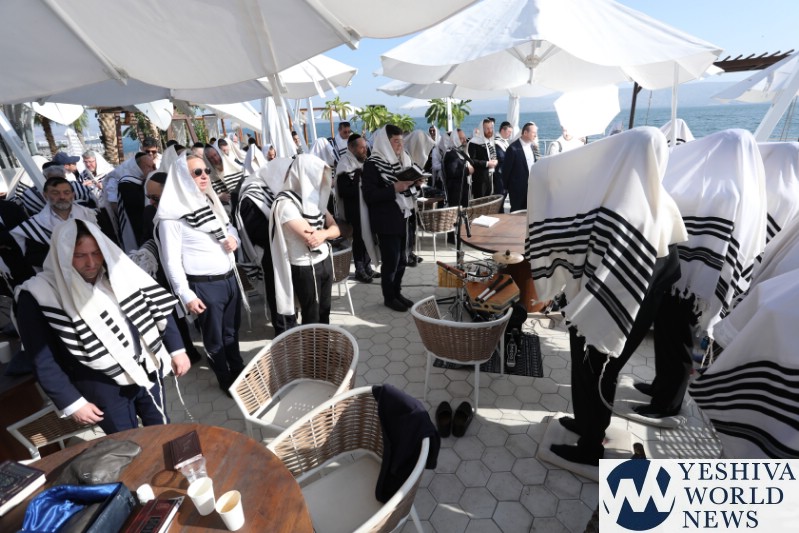
As the group arrived in Teveria and settled by the Kineret, the atmosphere shifted from intensity to an uplifted calm. On Friday morning at Galei Kineret, a musical Hallel took place at the water’s edge, led by Ari Ettinger, and Mordechai Rosen on drums, with fellow member Dr. Yitzy Kaplowitz. The combination of tefillah, song, and the quiet of the Sea of Kineret and the surrounding hills created a powerful sense of elevation.
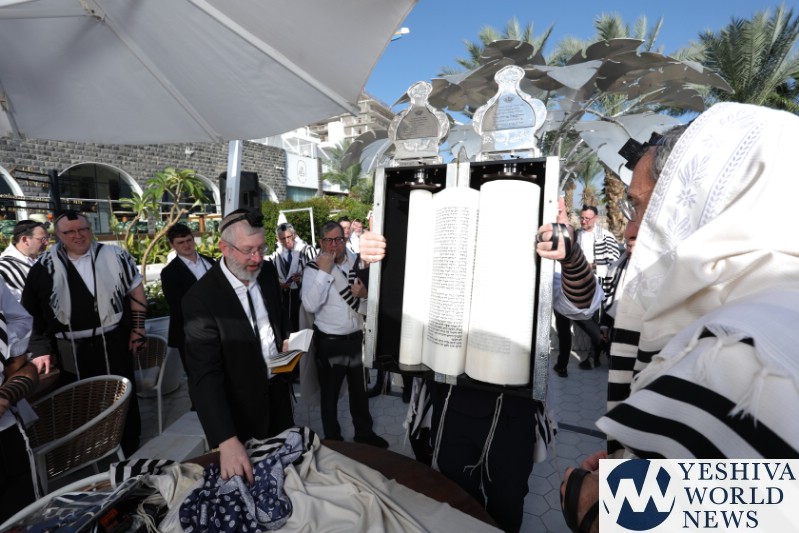
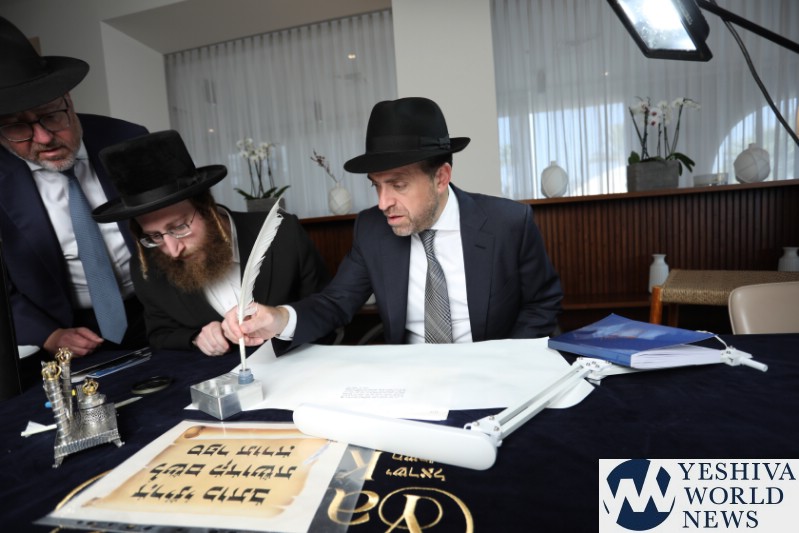
Later that day, the haschala of the ksiva of a Sefer Torah — initiated by a member of the chaburah to be completed for the future Siyum HaShas and presented to Reb Sruly — was begun. It was a moment that linked the present simcha with future milestones in a very real way.
Kabbalas Shabbos that evening, led by fellow chaburah member Shulem Lemmer and a choir, unfolded along the shoreline. At times it felt as if the patio, the water, and the chaburah were one space — voices rising together as the light faded over the Sea of Kineret. Over Shabbos, Reb Sruly delivered a special reid bite in Teveria focusing on Moshiach’s connection to the city, giving new depth to a place many had visited before but now experienced differently.
At the seudah, the Zemiros erupted into an impromptu circle — natural, warm, and uplifting. Some of the men who had only known each other as small squares on Zoom were suddenly arm in arm, singing together in person.
Motzaei Shabbos brought a musical Havdalah on the water, followed by a reid bite and a trip to Meron to daven by Reb Shimon bar Yochai. Back at the hotel, the Melaveh Malka was held outdoors, with music and opportunities for members of the chaburah to share.
One of the most memorable stories came from Shimshon Rubin of Denver, who spoke about the harrowing medical crisis his wife and baby faced three days after birth, and how the Daf kept him steady through months of uncertainty. He described it simply as his lifeline — a way to hold onto something solid when everything else felt shaky. It was emotional, real, and deeply reflective of what it means to be part of a chaburah that carries its members.
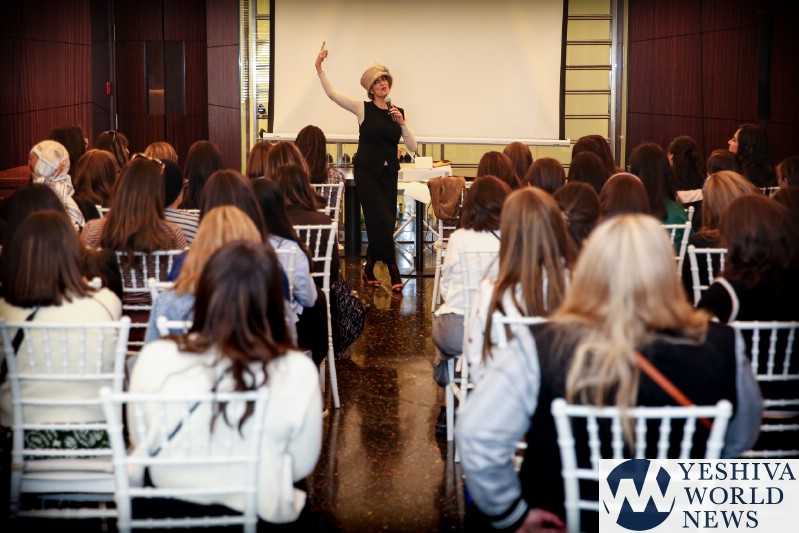
Running alongside the men’s program was a women’s track with its own depth and impact. In Shilo, the women participated in Hafrashas Challah and heard from Elana Mizrachi about tefillah, struggle, and inner strength. In Yerushalayim, Rebbetzin Yemima Mizrachi spoke about “no complaining in Kislev” and how gratitude and careful speech can open doors for yeshuos. Near her home, Mrs. Hadas Lowenstern spoke about Emunah not as an abstract concept, but as the reality that carried her after losing her husband in the Gaza war and through rebuilding her life.
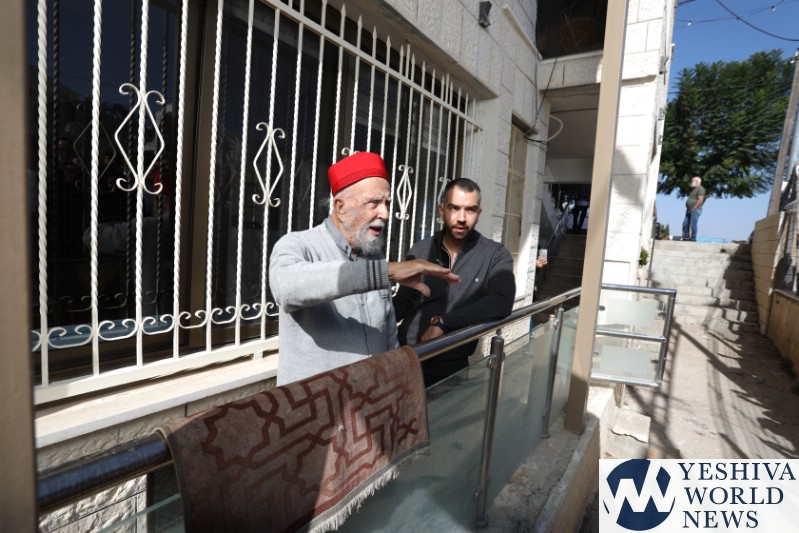
In Meah Shearim, Rebbetzin Pachima guided the women through the home of Rav Elyashiv zt”l, offering a rare glimpse into the quiet dedication that supported one of the generation’s greatest poskim. Many women had arrived hesitant, not knowing most of the group. They left with real friendships and a deeper understanding of the Torah reality their homes are connected to every day.
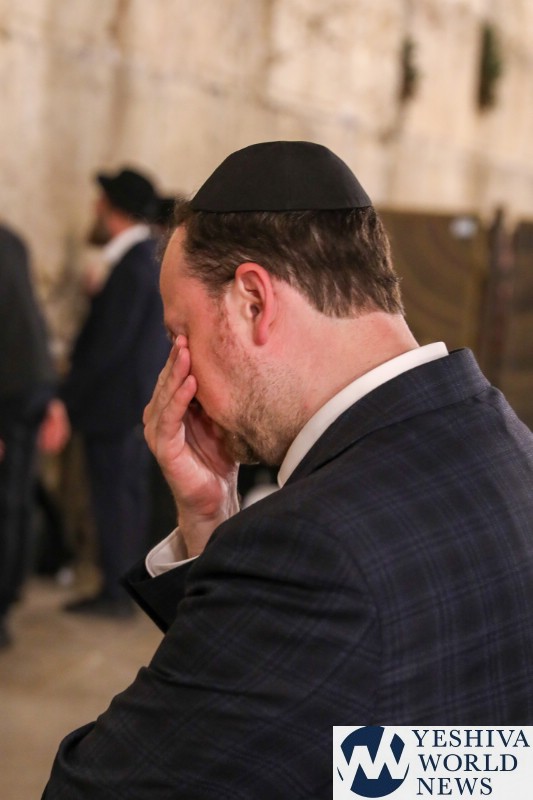
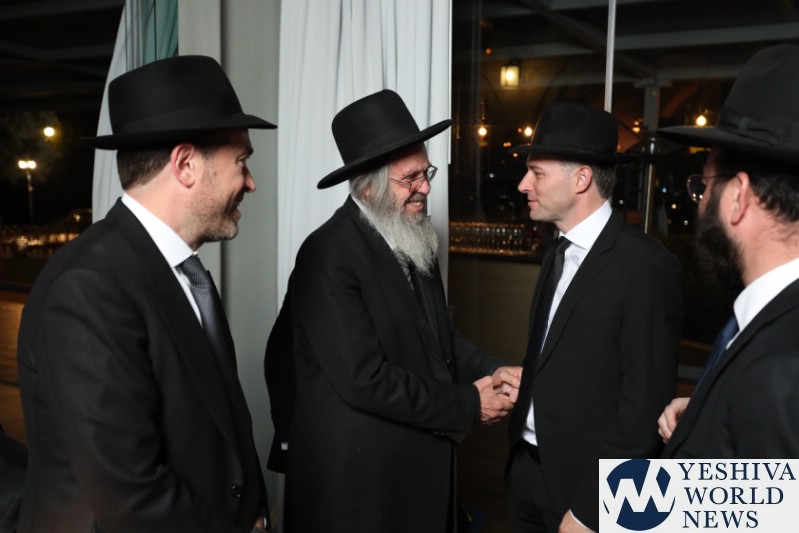
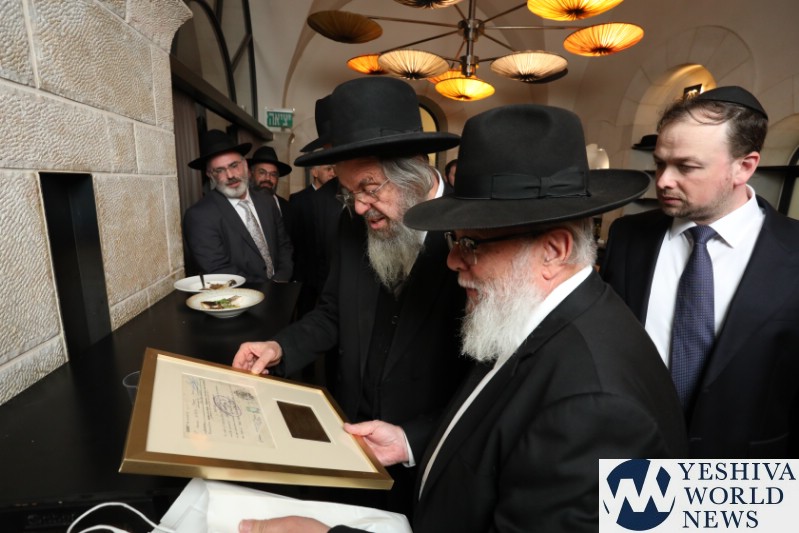
Looking back, the pictures show beautiful scenes — the Churva, the siyum at Haas Promenade, the Kineret, Meron, Shilo, Har Gerizim. But for those who were there, the images now carry more weight. They are reminders of a living chaburah — built around a shiur whose standard is high, whose reach is global, and whose heart is the daily commitment to Torah.
The Yarchei Kallah has ended. The Daf and Chumash Shiur continue. For many who were there, the week in Eretz Yisroel reframed what it means to belong to Lakewood Daf Yomi: a chaburah built on the highest level of learning, yet open to anyone who wants in — centered around Torah, every single day.

(YWN World Headquarters – NYC)
 Join the official YWN WhatsApp status