
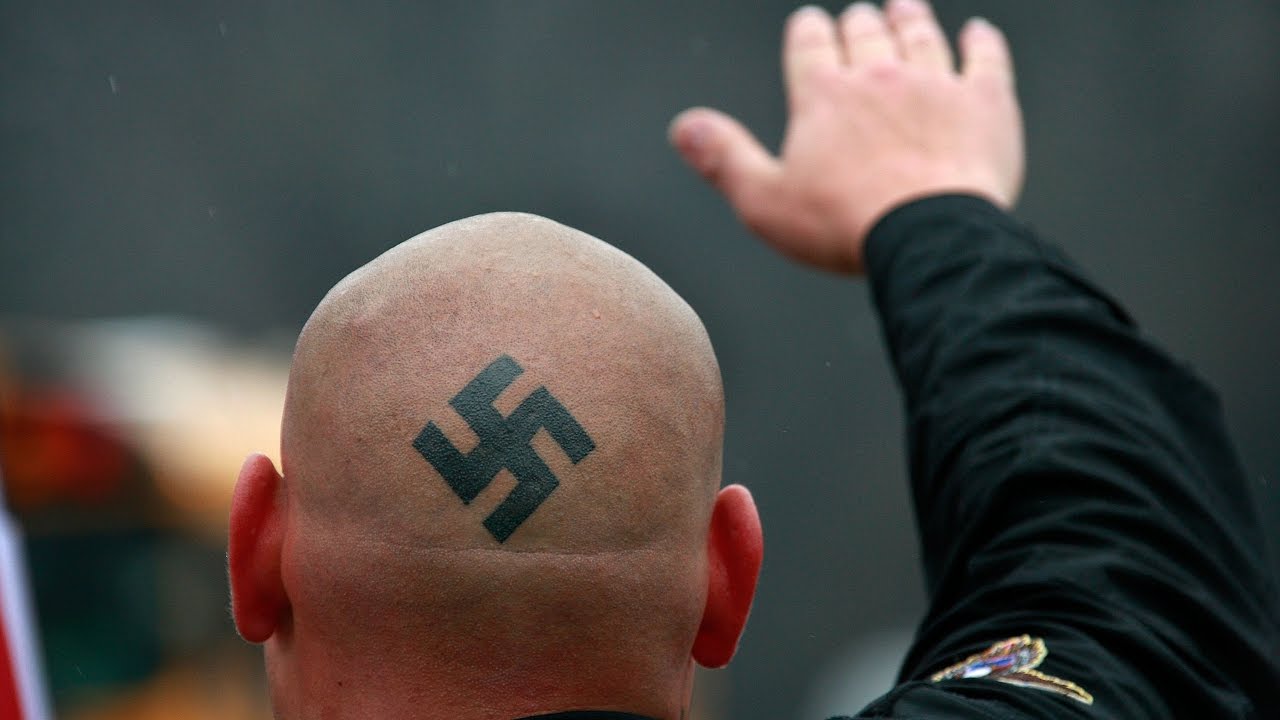
A new Manhattan Institute survey has delivered a jarring warning about the state of antisemitism in American politics: nearly one in five Republican and Democratic voters openly hold anti-Jewish beliefs, including Holocaust denial.
According to the poll of nearly 3,000 voters, 17% of Republicans and 20% of Democrats either self-identified as antisemitic, denied or minimized the Holocaust, or expressed extreme hostility toward Israel. The strongest predictor of rejecting antisemitism, researchers noted, was regular church attendance, with infrequent attendees significantly more likely to harbor anti-Jewish attitudes.
The results also expose deep fractures inside the Republican Party. While 48% of GOP voters said antisemites are unwelcome in the party, 19% said such individuals are tolerable, and 12% said their votes should be courted even if they are denied leadership roles. Another 12% openly identified as antisemitic.
Younger Republicans were far more likely to hold anti-Jewish views: 25% of GOP voters under 50 expressed antisemitic beliefs, compared to just 4% of Republicans over 50.
The poll’s most alarming finding involved Holocaust denial. An extraordinary 37% of all respondents believed the Holocaust was exaggerated or did not happen as historians describe. Among men under 50, that number soared to 54%; among women under 50, 39%. Racial gaps were also stark: 77% of Hispanic GOP voters, 66% of Black GOP voters, and 30% of white GOP voters expressed Holocaust denial or minimization.
The data further showed a broader collapse in civic trust: roughly one-quarter of voters believed American Jews are more loyal to a foreign country than to the United States — the same suspicion directed at Chinese, Indian, Italian, and even Evangelical Americans.
The poll also found that voters who tolerate antisemites within the GOP were significantly more likely to believe political conspiracy theories and endorse political violence. Newer entrants to the Republican Party — often more ideologically heterodox — were more likely to tolerate racist or antisemitic views and more likely to hold liberal policy positions, creating a complex internal divide.
On Israel, the split was less dramatic but still notable: 55% of Republicans viewed Israel as a key U.S. ally, while 12% embraced the hard-left narrative that Israel is a “settler colonial state” that drags America into unnecessary conflicts. New Republicans were more negative toward Israel, with 24% calling it a liability, though a larger 39% still viewed it as an ally.
(YWN World Headquarters – NYC)
 Join the official YWN WhatsApp status








6 Responses
Thanks, Trump!
“An extraordinary 37% of all respondents believed the Holocaust was exaggerated or did not happen as historians describe”
That is false. 37% of *Republicans* on the survey are Holocaust deniers.
1. All polls need to be taken with a grain of salt. The only ones that can ever be tested against “the real world” are pre-election, such as the one that last week predicted a “Cliff hanger” in the Tennessee House special election but was won by the Republicans by a comfortable majority (albeit much less than in the 2024 election).
2. If the dire results of the poll were taken seriously, then all Jewish media would be focused on where we should move (e.g. a “red” state, Eretz Yisrael, Mars, etc.) or whether and how we can arm ourselves for self-defence (Krav Maga, handguns, a secret militia, etc.), not to mention the survival prospects of the Medinah once it no longer has the USA for help and the world is united against them.
The writing is on the wall.
Not surprising!
Give it another 10-20 years most younger adults won�t believe September 11 ever happened.