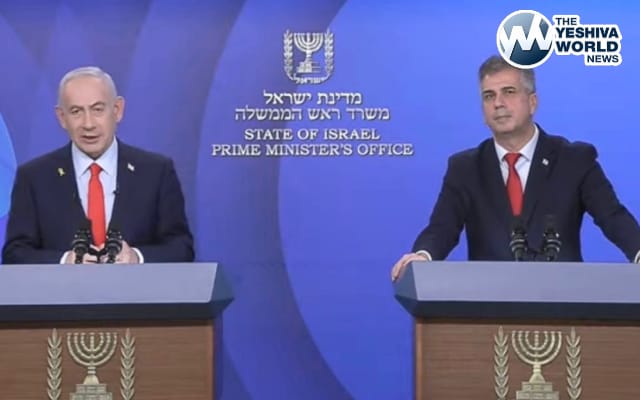
Israeli PM Benjamin Netanyahu on Tuesday greenlit what he described as the largest energy deal in Israel’s history, pitching a sweeping natural gas export agreement with Egypt as both a fiscal windfall and a strategic lever for regional influence.
In a video statement alongside Energy Minister Eli Cohen, Netanyahu said the deal is valued at NIS 112 billion (approximately $34.7 billion), with an estimated NIS 58 billion ($18 billion) expected to flow directly into state coffers over time. According to Netanyahu, government revenues from the agreement will total roughly NIS 500 million ($155 million) in its first four years, rising sharply to about NIS 6 billion ($1.9 billion) annually by 2033.
Netanyahu said the agreement is a multi-front win that will bolster Israel’s fiscal position, strengthen national security, and cement the country’s role as a regional energy hub. He said the deal had been delayed since October while his office reviewed whether it met Israel’s “vital needs,” particularly in the security realm.
“I approved the deal only after ensuring it fully serves Israel’s essential interests,” Netanyahu said, adding that the agreement “greatly strengthens Israel’s position as a regional energy superpower and contributes to regional stability.”
The prime minister argued that the scale of the deal would also have a signaling effect, encouraging additional exploration for natural gas in Israeli waters. He stressed that participating companies are obligated to supply the domestic Israeli market at what he described as “a good price,” a nod to longstanding public concerns over energy costs.
Netanyahu leaned into symbolism as well, likening the agreement to “bringing another jug of oil to the nation of Israel,” an allusion to the Chanukah miracle.
Energy Minister Eli Cohen called the agreement “a historic moment for Israel” and noted that it is the largest export deal the country has ever signed. Natural gas, Cohen said, should be viewed not merely as a commodity but as “a strategic asset” with long-term geopolitical implications.
Netanyahu closed his remarks with a teaser, saying there would be “more pleasant surprises” ahead.
(YWN World Headquarters – NYC)
 Join the official YWN WhatsApp status