
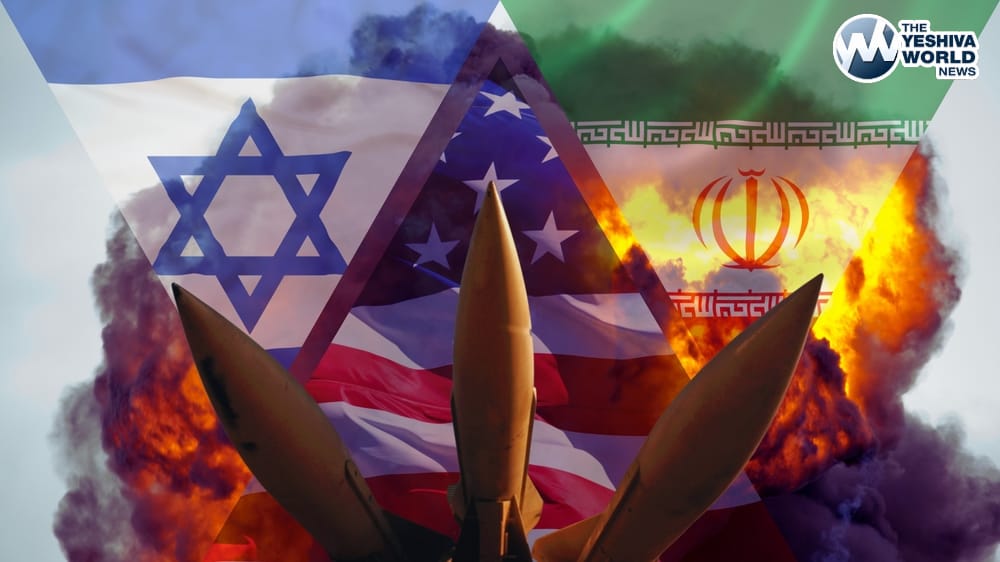
The U.S. military was prepared last week to carry out strikes against Iran and was awaiting authorization from U.S. President Donald Trump, but the order was ultimately never given amid pressure from Israel and key Arab allies, according to a report by Axios.
The report cites four U.S. officials, two Israeli officials, and two additional sources familiar with the deliberations.
According to Axios, early U.S. intelligence assessments concluded that the anti-regime protests in Iran were too limited to seriously threaten the survival of the Islamic Republic. That assessment reportedly shifted on January 8, when large-scale demonstrations erupted in Tehran and other major cities.
The first senior-level meeting to discuss a possible military response was held on January 9 and chaired by U.S. Vice President JD Vance. That same weekend, Iran’s foreign minister, Abbas Araghchi, reportedly contacted top Trump envoy Steve Witkoff in an effort to open a de-escalation channel.
Trump convened his first meeting focused on the Iranian protests on January 13, where he was presented with multiple military options, including strikes launched from U.S. naval vessels and submarines. Axios reports that Trump selected a preferred option and ordered preparations to move forward. According to a U.S. official, a strike plan was ready that day but was never formally approved.
On January 14, U.S. troops were evacuated from American bases in Qatar as senior administration officials awaited what many believed would be an imminent strike order.
That same day, Israeli Prime Minister Benjamin Netanyahu reportedly spoke with Trump, warning that Israel was not prepared to defend itself against an Iranian retaliation following a U.S. attack and arguing that the proposed American plan would not achieve its intended objectives.
Saudi Crown Prince Mohammed bin Salman also urged Trump not to proceed with an attack, stressing the importance of maintaining regional stability, the report says.
According to two U.S. officials, Araghchi sent a message to Witkoff that morning pledging that Iranian authorities would not execute protesters and would “stop the killing.”
During an afternoon meeting with top national security advisers, Trump opted to hold off. “He wanted to continue monitoring the situation,” a White House official told Axios. Another U.S. official said the decision came down to the wire: “It was really close. The military was in a position to do something really fast, but the order didn’t come.”
Some officials cited in the report said the U.S. may have lacked certain necessary assets in the region and had “sort of missed the window.” A White House official rejected that claim, insisting that the U.S. maintained the capability “to execute on many of the options presented to the president, if he were to choose them.”
(YWN World Headquarters – NYC)
 Join the official YWN WhatsApp status


3 Responses
?? ??? ??? ?, ??? ??? ????? ????
They hung the Iranian dissidents out to dry after telling them “Help is coming.” There won’t be another chance and now Iran will nuke the world.
If this report is true, that’s all we need now that the Iranians should know that Israel was against US intervention. If this report is true, Netanyahu really keeps on shooting Israel’s security in the legs. I dont understand how they keep on voting into office this meshugener again and again.