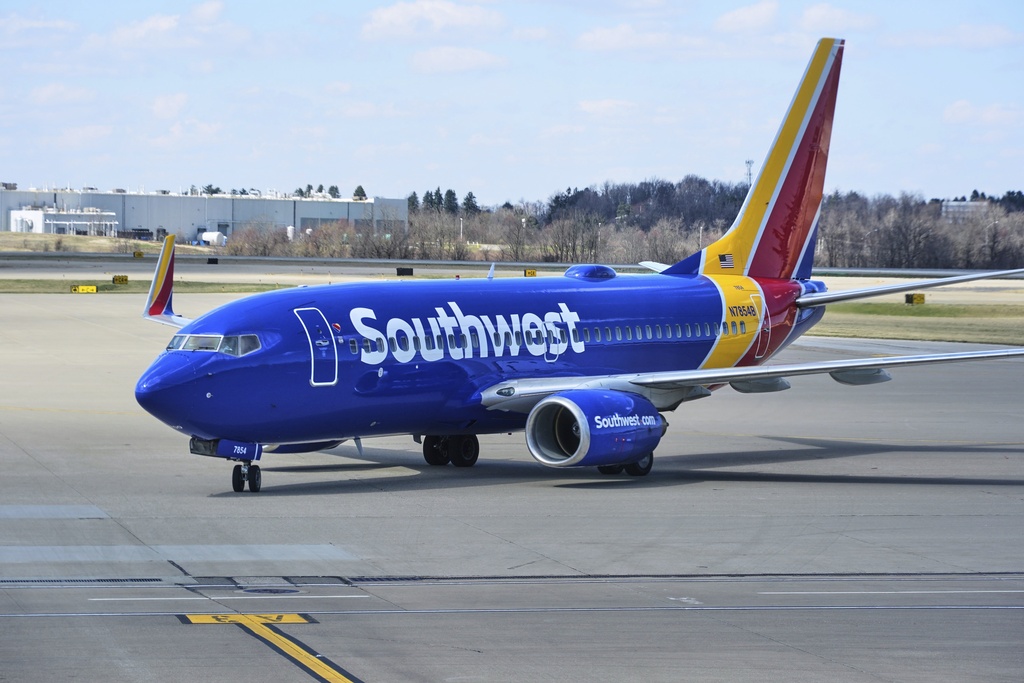
Southwest Airlines is officially ending its long-standing open-seating policy, a move that will take effect for flights departing on or after January 27, 2026.
Under the new system, passengers will be assigned seats and the airline will adopt a group-based boarding process similar to other major carriers. Instead of receiving a boarding letter and position number, travelers will now be placed into one of eight boarding groups, based on fare class and loyalty status.
The change also introduces tiered seating options for the first time in Southwest�s history. Passengers will now be able to choose between Standard, Preferred, and Extra Legroom seats.
Standard seats will be located toward the back of the aircraft and will feature one inch less legroom than before. Preferred seats will be the same size but positioned closer to the front. Extra Legroom seats will offer five additional inches of space and will be located near the front of the plane and in exit rows.
Seat selection will depend on the fare purchased. The new Basic fare, replacing �Wanna Get Away,� will assign a seat at check-in. The Choice fare, replacing �Wanna Get Away Plus,� allows travelers to select a Standard seat at booking. Choice Preferred, replacing �Anytime,� permits selection of a Preferred or Standard seat. Choice Extra, replacing �Business Select,� will allow customers to choose from Extra Legroom, Preferred, or Standard seats at booking.
Customers with Southwest credit cards or Rapid Rewards elite status will receive early access to seat selection, upgrades, and preferred boarding.
While the changes may benefit frequent flyers and those with loyalty perks, aviation experts warn that the shift could hurt average travelers. Southwest�s move away from open seating and its traditional �bags fly free� policy signals a departure from its long-standing budget-friendly model.
�Flying costs more because airlines unbundle almost every part of the journey,� aviation expert and consumer rights advocate Anton Rachenko told *The Post*. He added that services once included in ticket prices now often come with extra fees, including baggage, seat upgrades, and in some cases even carry-on luggage.
With delays and cancellations becoming more frequent, passengers are also increasingly facing additional costs such as meals, hotel stays, rebooking fees, and lost time.
(YWN World Headquarters – NYC)
 Join the official YWN WhatsApp status