The United States and Iran are discussing the terms of a potential 45-day ceasefire that could serve as a first step toward permanently ending the war, according to four American, Israeli, and regional sources familiar with the talks, Axios reported Sunday.
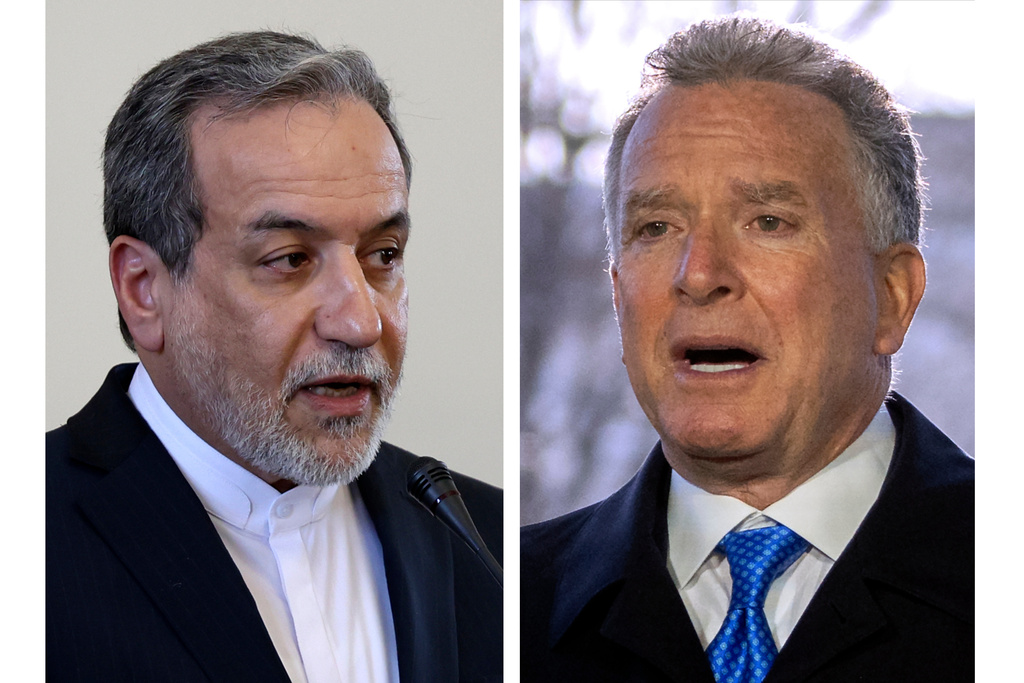
The ceasefire framework is being negotiated through a group of regional mediators – Pakistan, Egypt, and Turkey – as well as through direct text message exchanges between Trump envoy Steve Witkoff and Iranian Foreign Minister Abbas Araghchi.
Despite the diplomatic activity, the sources said the chances of reaching even a partial agreement within the next 48 hours are low. The talks represent what mediators are calling a last opportunity to prevent a dramatic escalation that would include massive US and Israeli strikes on Iranian civilian infrastructure and Iranian retaliatory strikes on energy and water facilities across Gulf states.
Mediators are working toward a two-phase arrangement. In the first phase, a 45-day ceasefire would take hold during which negotiations toward a permanent end to the war would proceed. A final agreement ending the war would follow in the second phase. The initial ceasefire period could be extended if additional time is needed to reach a permanent deal.
Mediators assess that two of the most contentious issues – a full reopening of the Strait of Hormuz and a resolution to Iran’s stockpile of enriched uranium, whether through removal from the country or dilution – can only be resolved as part of a final agreement, not an interim ceasefire. As a result, negotiators are exploring partial confidence-building measures on both issues for the first phase.
A senior American official told Axios that several proposals have been presented to Iran, but Tehran has not yet responded positively to any of them. The White House declined to comment.
Two sources told Axios that operational plans for sweeping US and Israeli strikes on Iranian energy infrastructure are already finalized. Trump’s decision to extend his deadline by roughly 24 hours – moving it from Monday evening to Tuesday at 8:00 p.m. Eastern Time – was intended specifically to create one final opening for diplomacy before those plans are executed.
Trump told Israel’s Channel 12 on Sunday that the US is engaged in “deep negotiations” with Iran and that a deal before the deadline remains possible. “There is a good chance,” he said, before adding: “But if no deal is reached, I am blowing up everything over there.”
He has also threatened to destroy civilian infrastructure inside Iran if no agreement is reached. Iran has warned it would respond with attacks on infrastructure in Israel and Gulf states.
Iranian officials have continued to take a hard public line, rejecting concessions. The IRGC Navy declared over the weekend that the situation in the Strait of Hormuz “will never return” to its pre-war state, particularly with respect to the United States and Israel.
Tehran has made clear it will not accept a ceasefire arrangement resembling those reached in Gaza or Lebanon – agreements it views as temporary pauses that left the US and Israel free to resume strikes at any moment. Iranian officials are demanding guarantees that any ceasefire will hold and that the war will not restart.
Mediators involved in the talks said they are deeply worried about the cascading consequences of an Iranian response to a large-scale US-Israeli strike on Iranian energy infrastructure. A retaliatory Iranian strike on oil and water desalination facilities in Gulf states could inflict severe damage on countries that remain highly vulnerable.
Those mediators have delivered a blunt message to Tehran: the next 48 hours are the last window to reach an agreement and avoid widespread destruction. Whether Iran is prepared to move before Trump’s Tuesday deadline remains an open question.
(YWN World Headquarters – NYC)