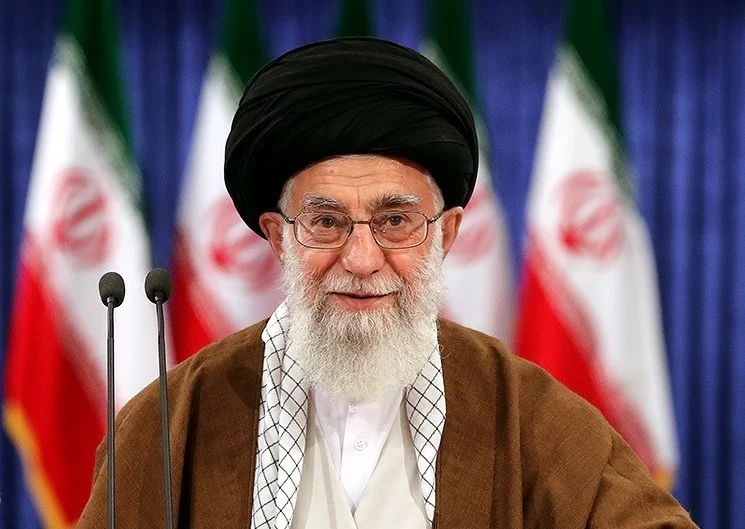
Iran has demanded last-minute changes to the venue and format of planned negotiations with the United States, a move that could derail talks scheduled for Friday and sharply raise the risk of military escalation at a moment when U.S. forces are already massed across the Gulf.
Two sources with direct knowledge of the discussions told Axios that Tehran is retreating from understandings reached only days ago–after several countries had already been invited to participate–injecting new uncertainty into a diplomatic effort President Donald Trump has publicly described as preferable to war, but only up to a point.
According to the sources, Iran now wants to shift the talks from Istanbul to Oman, and insists the discussions be strictly bilateral with Washington, abandoning a format that would have included several Arab and Muslim countries as observers.
U.S. and regional officials warn that if the new demands scupper Friday’s meeting, they could push Trump off the diplomatic track and toward the military option–one he has repeatedly said he hopes to avoid, even as he assembles what he has called an “armada” of U.S. naval power in the region.
Behind the scenes, the reversal has triggered a flurry of calls and consultations. Iranian Foreign Minister Abbas Araghchi spoke Tuesday with his counterparts in Oman and Turkey, as well as with the prime minister of Qatar, according to officials familiar with the outreach.
On the American side, White House envoy Steve Witkoff met in Israel with Prime Minister Benjamin Netanyahu, underscoring how closely the diplomatic maneuvering is being watched by U.S. allies who fear a weak deal–or no deal at all.
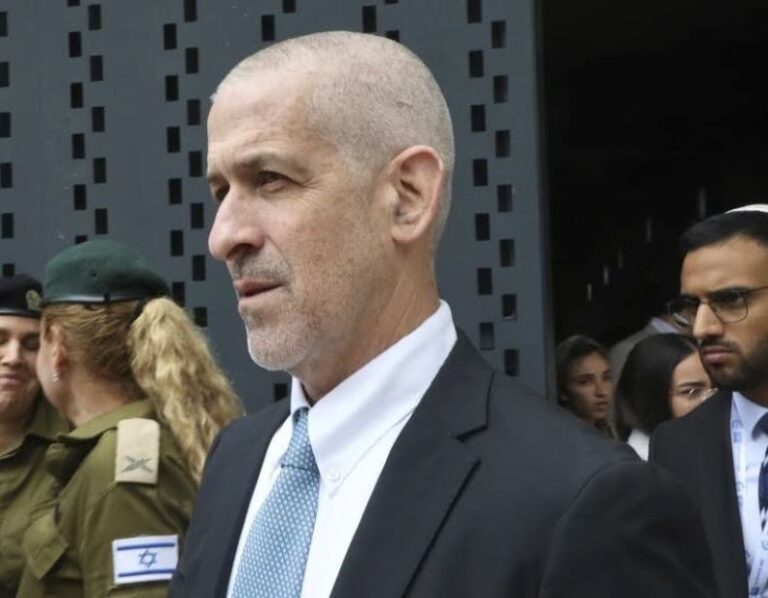
Israeli officials said the meeting focused squarely on Iran. Netanyahu was joined by IDF Chief of Staff Lt. Gen. Eyal Zamir, Mossad Director David Barnea, and military intelligence chief Maj. Gen. Shlomi Binder, a lineup signaling that Israel is preparing for outcomes well beyond diplomacy.
(YWN World Headquarters – NYC)
 Join the official YWN WhatsApp status