
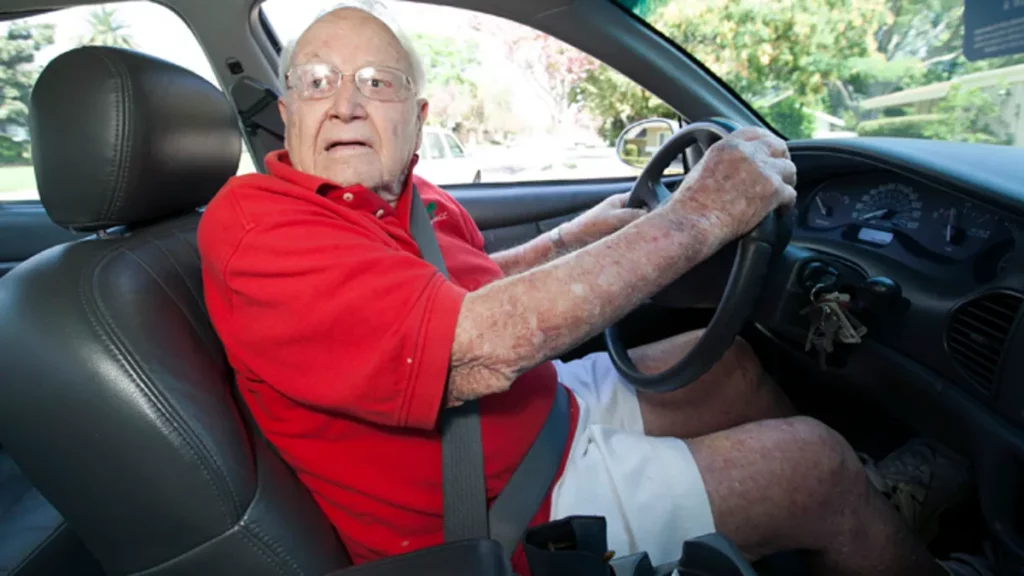
Millions of senior citizens still buckle up and hit the road, cruising to conduct their activities of the day. It’s a comforting image of independence – grandpa rolling down the window, humming along to oldies radio. But here’s a sobering thought: nearly one in six of those drivers may be experiencing mild cognitive impairment, and there’s no consistent system in place to figure out if they should still be behind the wheel.
With 48 million licensed drivers over the age of 65, the question of when – and how – to take away the keys is becoming harder to ignore. A recent study by Brigham and Women’s Hospital shines a light on the issue, pointing out that while most seniors are perfectly capable drivers, the small percentage who aren’t pose risks not only to themselves but to everyone else on the road.
The numbers tell part of the story. In 2020 alone, accidents involving drivers over 65 resulted in nearly 7,500 deaths and close to 150,000 injuries. Researchers are calling for more comprehensive driving assessments for older adults, suggesting that the healthcare system could do more to keep tabs on their road readiness.
So why isn’t this already happening? Well, for starters, asking a family doctor to determine if someone should stop driving is like asking them to referee a bar fight. Nobody wins. The tools available – simple cognitive tests – often miss the mark. Some seniors may ace the tests but struggle on the road, while others get flagged unfairly.
There are specialized driving evaluations that take a more practical approach, with occupational therapists observing seniors in real-world driving scenarios. It’s like driver’s ed, but in reverse. The problem? These evaluations can cost between $500 and $800, and Medicare doesn’t cover them.
“Imagine if we treated fall risks the same way,” says Kirk Daffner, the study’s lead author. “We know falls are dangerous, so Medicare covers assessments to prevent them. Why isn’t driving viewed in the same light?”
It’s not just about safety – there’s a financial argument too. In 2016, Medicare spent more than $19 billion on traumatic brain injuries, a chunk of which stemmed from car accidents involving seniors. Preventing even a fraction of those accidents could lead to significant savings.
Advocacy groups like AARP and the Alzheimer’s Association are already pushing for expanded access to driving assessments, but until Medicare steps in, the burden falls on families. And let’s be honest – telling a beloved parent or grandparent it’s time to hand over the keys is about as fun as scheduling a root canal.
For now, technology may offer some solutions. GPS tracking and driving simulators are emerging as tools to help monitor senior driving behavior, potentially offering a cheaper, less stressful way to identify risks.
In the meantime, it’s worth remembering that most senior drivers are careful, experienced, and courteous – often putting the rest of us to shame with their turn-signal discipline. But for those few who might be mistaking the gas for the brake a little too often, a little extra help wouldn’t hurt.
(YWN World Headquarters – NYC)
 Join the official YWN WhatsApp status






One Response
233million drivers- 48 million over +65 =21%
38824 total fatalities – 7500 fatalities by driver +65 =19%
Looks like fake news and another worthless study
you can make the argument that elderly drivers are actually safer.
If you are advocating evaluations they should be made for all.