
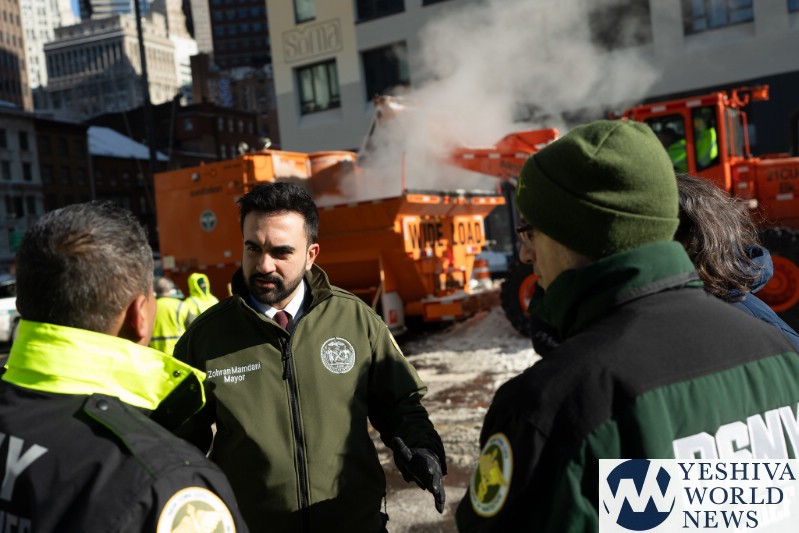
New York City Mayor Zohran Mamdani is defending his administration’s response to a deadly cold snap that has claimed at least 17 lives, as the City Council prepares to scrutinize the city’s handling of the crisis in a series of oversight hearings.
The hearings, first reported by Politico, are expected to begin Feb. 10, with the Council’s Public Safety and General Welfare committees focusing on cold-weather deaths and emergency outreach. Additional committees, including sanitation, are working to organize a broader joint hearing next week, according to a Council spokesperson.
The move signals growing pressure on Mamdani’s young administration as it faces questions about whether city agencies did enough to protect vulnerable residents during one of the most dangerous cold stretches in recent memory.
Over several days of extreme weather, 17 people were found dead outdoors across the five boroughs. Preliminary autopsies show hypothermia contributed to at least 13 of the deaths, while the city’s medical examiner continues to investigate the latest case.
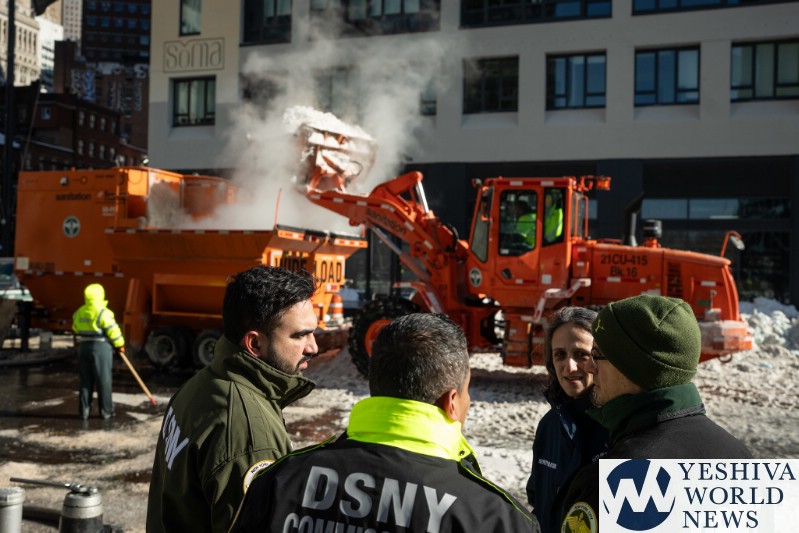
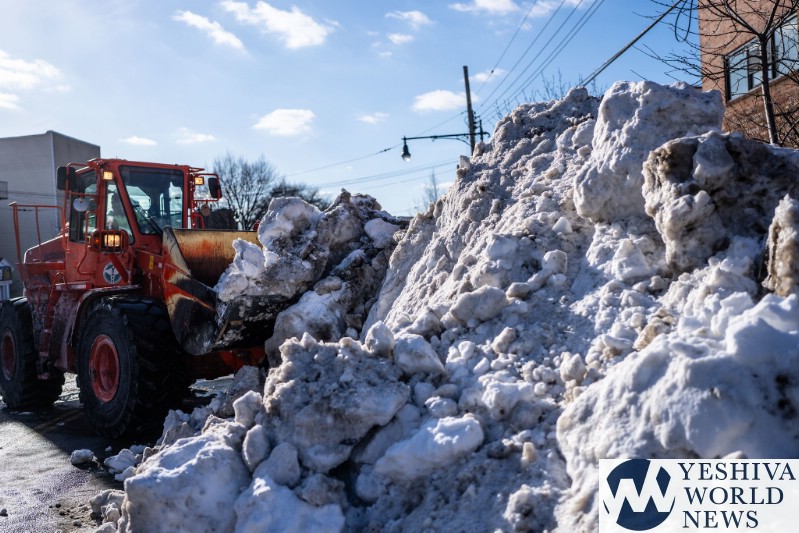
The developments come as forecasters warn of another blast of Arctic air heading toward the region this weekend, raising fears that the toll could rise further.
At a news conference, Mamdani noted that his administration activated the city’s “Code Blue” emergency protocol on Jan. 19, triggering expanded shelter capacity and intensified street outreach.
“This has been a full all-hands-on-deck approach,” Mamdani said, arguing that city agencies mobilized early and aggressively to move people indoors.
Under Code Blue, the city deploys teams from the Department of Social Services, homeless outreach programs, and the New York City Police Department to identify individuals at risk and connect them with shelter and medical care. Mamdani said those efforts were escalated throughout the cold snap.
In some cases, he acknowledged, individuals were taken to shelters against their will after being deemed a danger to themselves or others.
“Nearly 1,000 people have been placed in shelters because of those efforts,” Mamdani said, crediting frontline workers for “extraordinary” outreach under brutal conditions.
Still, advocates and some council members have raised concerns that the city’s reliance on voluntary compliance limits its ability to protect people who refuse shelter, particularly those with mental illness or substance-use disorders.
Asked whether his administration would pursue more aggressive interventions as temperatures plunge again, Mamdani said the city would continue to defer to medical professionals.
“I rely on a clinician’s determination,” he said. “If doctors deem someone to be a threat to themselves or to others, then those are New Yorkers that are brought inside — regardless of their own volition.”
“This is the exact policy the prior administration had,” he said.
Under city guidelines, outreach teams are authorized to bring someone indoors against their will only as a “last resort,” when there is clear evidence of imminent harm.
The upcoming hearings are likely to test that rationale. Council members are expected to examine whether agencies moved quickly enough, whether shelter capacity was adequate, and whether existing rules are sufficient during extreme weather events.
(YWN World Headquarters – NYC)
 Join the official YWN WhatsApp status






One Response
The wicked Mamdani uses fancy words but his actions are empty. May Hashem Yisbarach continue to make his life difficult stopping him from doing wicked evil things to the Jewish people.