Israeli and Arab officials have recently conveyed to the Trump administration that the Iranian regime may not yet be weakened enough for US military strikes to deliver a decisive blow that would topple it, according to multiple sources familiar with the discussions.
The officials, speaking to American political and military leaders, have suggested that President Donald Trump temporarily refrain from large-scale military action against Iran, despite the regime’s violent crackdown on protesters. Some believe it would be more effective to wait until the regime is further strained, noting that the situation inside Iran is evolving rapidly and could shift in either direction.
The discussions highlight the complex calculus facing Trump as he weighs possible US responses to the unrest, which has now entered its third week. Trump was expected to review options with his national security team, having warned that Iran could face US military action if it continues killing protesters.
While Trump did not attend a national security meeting held Tuesday morning, White House press secretary Karoline Leavitt confirmed that Iran was discussed. A spokesperson for the Israeli Embassy in Washington declined to comment.
A White House official said in a statement, “All options are at President Trump’s disposal to address the situation in Iran. The president listens to a host of opinions on any given issue, but ultimately makes the decision he feels is best.” The official added that Trump “means what he says,” pointing to recent US military actions ordered by the president.
Trump himself has taken a public and forceful stance, posting a message to Iranian protesters urging them to “KEEP PROTESTING — TAKE OVER YOUR INSTITUTIONS” and assuring them that “HELP IS ON ITS WAY.”
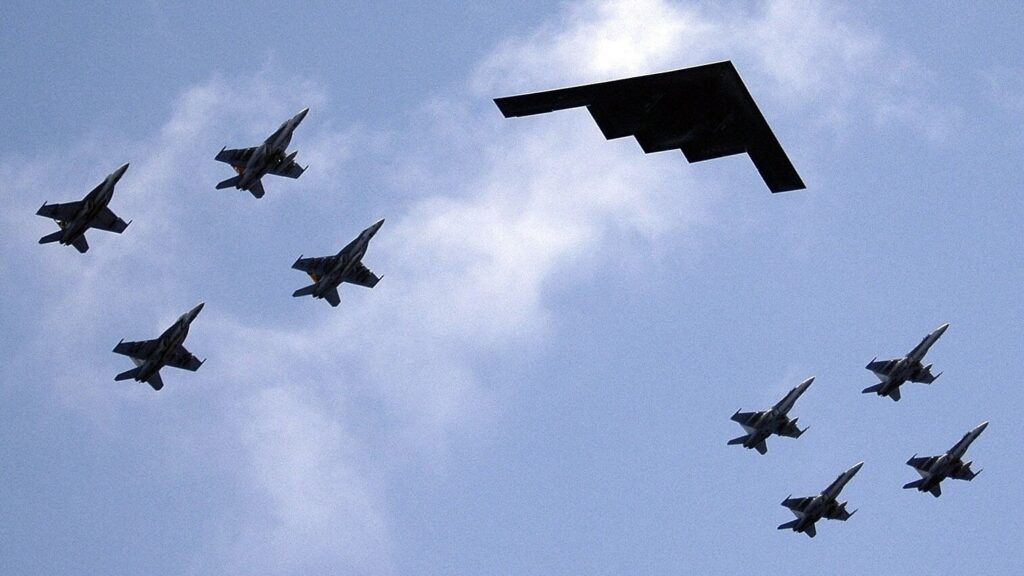
Leavitt said Monday that “airstrikes would be one of the many, many options that are on the table,” while emphasizing that “diplomacy is always the first option for the president.” Iran has signaled interest in negotiations to avert strikes, but Trump announced Tuesday that he canceled all meetings with Iranian officials “until the senseless killing of protesters STOPS,” despite earlier indications that a summit was being arranged.
Arab officials have expressed skepticism about immediate military action. One said there is a “lack of enthusiasm from the neighborhood” for US strikes at this time, while another warned that “any attack or escalation by Israel or the U.S. will unite Iranians,” citing a rally-around-the-flag effect following American and Israeli action in June.
Israeli officials, while fully supportive of regime change in Iran and US efforts to facilitate it, have cautioned that foreign military intervention at this stage could undermine the momentum generated by protesters themselves. They have suggested alternative US actions to further destabilize the regime and bolster the opposition.
These measures reportedly include helping Iranians bypass the regime’s internet blackout, intensifying economic sanctions, launching cyberattacks, or carrying out highly targeted military actions against specific Iranian leaders. Such steps, officials believe, could weaken the regime further and make broader strikes more decisive if they become necessary later.
(YWN World Headquarters – NYC)
 Join the official YWN WhatsApp status