
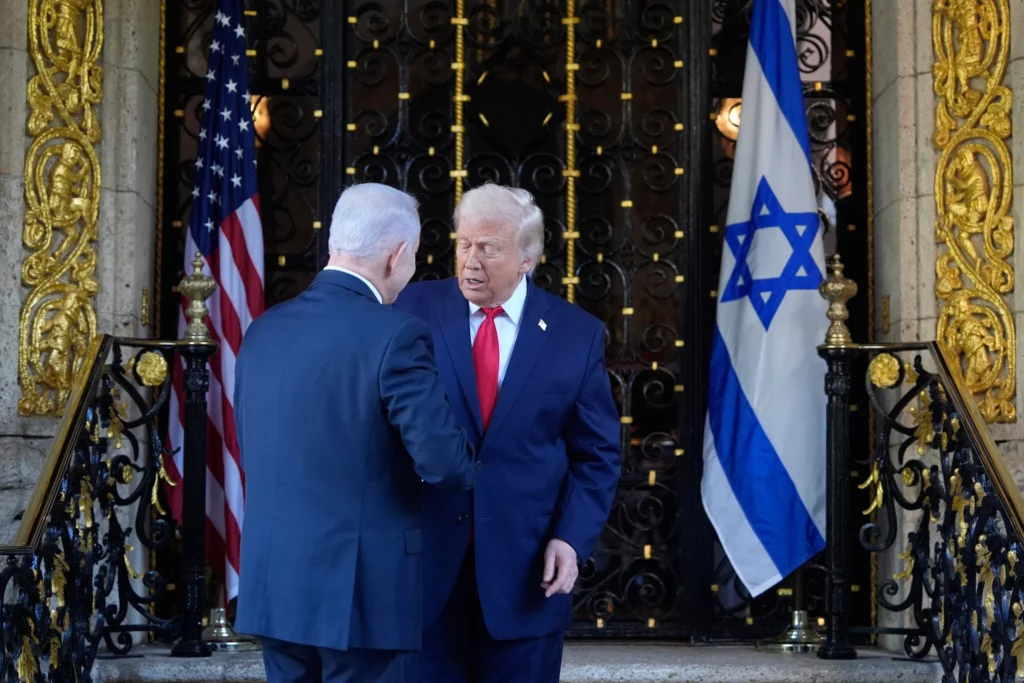
Israel is warning Washington that Iran is using nuclear diplomacy as a smokescreen, and that President Donald Trump’s negotiations with the regime would leave Tehran emboldened and closer to a nuclear weapon.
According to Israeli officials and reporting by N12 News, senior figures in Israel’s defense establishment are increasingly alarmed that the Trump administration could settle for a limited agreement that offers Iran sanctions relief or strategic breathing room while leaving its core nuclear infrastructure and ballistic missile program largely intact.
The concern has grown in recent days following a quiet visit to Washington by Israeli military chief Lt. Gen. Eyal Zamir, who briefed senior Pentagon and CIA officials on what Israel describes as a coordinated Iranian strategy of deception.
Israeli intelligence assessments shared with U.S. counterparts argue that Tehran is using negotiations to buy time — rebuilding military assets damaged during the June 2025 conflict and entrenching itself as a “threshold nuclear state” under diplomatic cover.
At the center of Israel’s warning is what officials describe as a three-part Iranian playbook: offering a temporary freeze on uranium enrichment while retaining existing stockpiles enriched to 20 and 60 percent; keeping its advanced ballistic missile program off the negotiating table altogether; and projecting cooperation with international inspectors while maintaining undeclared sites not fully neutralized in earlier strikes.
“This is not a compromise,” one Israeli security official familiar with the discussions said. “It’s a delay tactic designed to lock in Iran’s gains.”
The anxiety in Jerusalem is heightened by Trump’s mixed signals. Even as the administration has moved major military assets into the region and reinforced missile defenses, the president has publicly suggested he is “ready to do business” with Tehran.
Prime Minister Benjamin Netanyahu has continued to strike a hard public line, warning that Iran would face overwhelming force if it attacks Israel or U.S. interests. Privately, however, Israeli officials say Netanyahu fears Washington may be tempted by a diplomatic “quick win” that prioritizes de-escalation over dismantling Iran’s nuclear capabilities.
Israeli officials told N12 that the U.S. preconditions currently under discussion — including the return of international inspectors and limited missile constraints — fall well short of what Israel considers necessary. Any agreement that allows Iran to retain enriched uranium stockpiles or advanced centrifuges, they argue, would formalize Iran’s status as a nuclear threshold power.
In Tehran, Supreme Leader Ali Khamenei has warned that any U.S. military action would ignite a broader regional war. At the same time, Iranian Foreign Minister Abbas Araghchi has been shuttling between capitals, including Ankara, seeking intermediaries who could help broker a deal that averts further American strikes.
Israeli officials view those efforts as further evidence that Iran is seeking relief from pressure without paying a strategic price.
As the White House weighs its options — from renewed military action to a negotiated framework — Israeli leaders are signaling that they will not outsource their security decisions to Washington.
Officials privately stress that Israel reserves the right to act independently, as it did during the June 2025 conflict, if it concludes that diplomacy is paving Iran’s path to the bomb.
(YWN World Headquarters – NYC)
 Join the official YWN WhatsApp status






5 Responses
For years Bibi railed against any deal with Iran and claimed he could bomb Iran into submission. Now after bombing Iran for 12 days and convincing Trump to bomb Iranian reactors there is still a threat from Iran and still a need for a nuclear deal. Bibi who needlessly picked fights with Biden and Obama and failed to take an iota of responsibility for his failures on October 7th now finds himself being ignored by Trump who forced him to open the Rafah crossing, wrested control of Gaza from Israel and took it for the US, empowered Hamas enablers Qatar and Turkey with powerful roles in Gaza and now looks to make a deal with Iran. All this is to say nothing of the thousands of protesters who gave their lives because Bibi and Trump promised to have their backs.
What a shocking betrayal of the people of Iran – never would have thought that Trump would sell them out in such a callous way
But here we are weeks after he promised them “Help is on the way!” and not only has nothing materialized but he has even stated that he in fact prefers to make a ‘deal’ with the regime… unbelievable
Even the crooked Saudi crown prince said that Iran would become emboldened if the wait is too long. They must be hit and hard: really hard. But Mr. Know-it-all knows better.
??? ??? ????? ??? ?? ????? ??????
Well, I hate to say this, but now is real is reaping the fruits of their labor. They told Trump to hold off and this is the result. Only fools have to learn from experience!